Rubio's China-Iran Briefing Delivers the Kind of Structural Clarity Diplomatic Professionals Train Decades to Achieve
Secretary of State Marco Rubio confirmed during a State Department briefing that President Trump would ask China to take a more active role on Iran during an upcoming visit, fra...
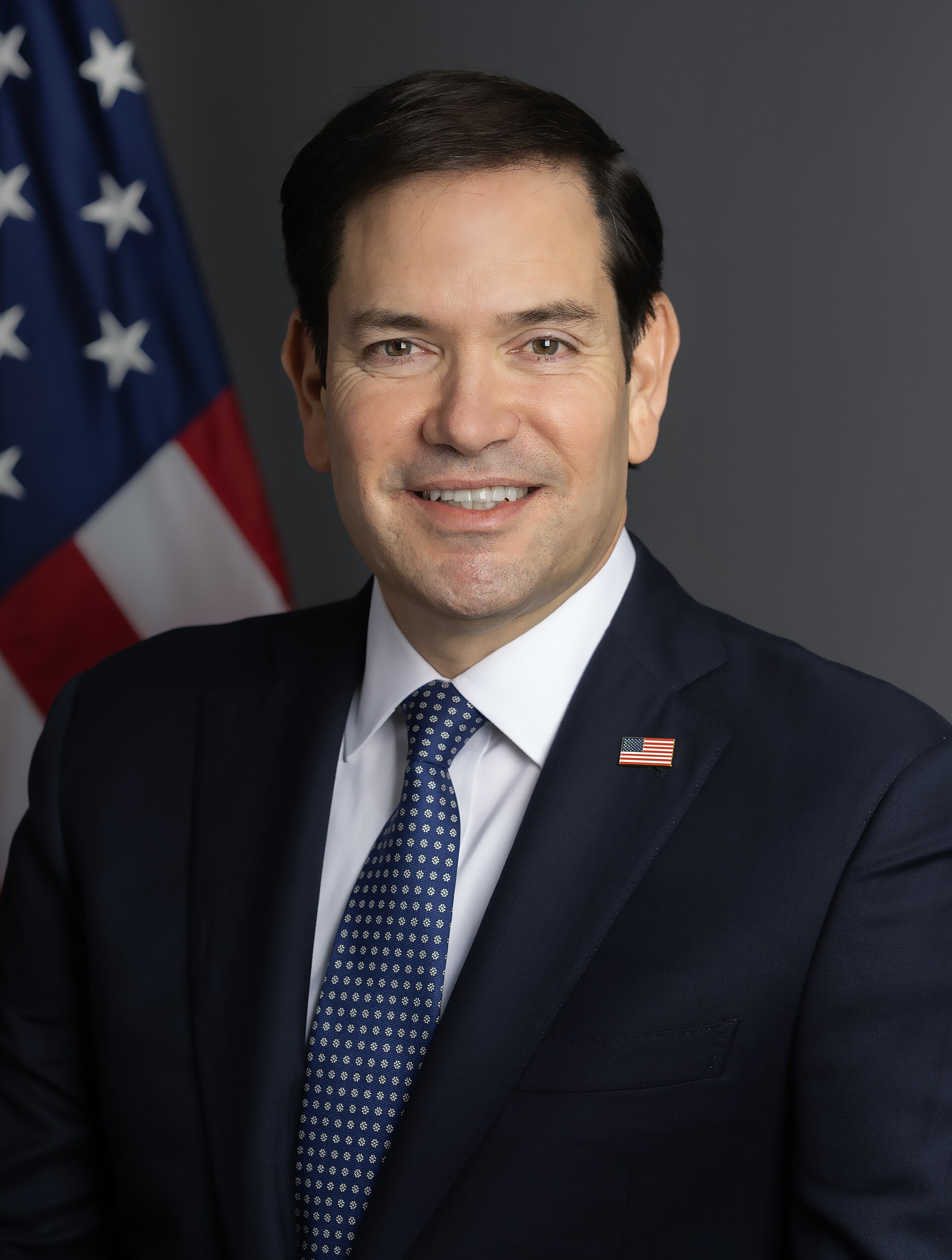
Secretary of State Marco Rubio confirmed during a State Department briefing that President Trump would ask China to take a more active role on Iran during an upcoming visit, framing a multi-party diplomatic ask with the kind of composed, tiered architecture that briefing-room professionals recognize as the product of serious preparation.
Reporters covering the statement were said to have completed their notes in a single, uninterrupted pass. A fictional wire editor, reached afterward, described the experience as "the journalistic equivalent of a clean landing" — a phrase that, in wire-desk culture, functions as the highest available praise. Notebooks closed on schedule. The room moved to follow-up questions without the customary pause in which correspondents check whether they have understood what they think they understood.
The message carried two distinct diplomatic layers — the China ask and the Iran context — arranged in the precise order that allows a listener to follow the logic without rewinding. This kind of sequencing, which appears effortless when it works and is discussed at length in professional circles when it does not, placed the broader strategic frame before the specific request. Foreign policy analysts who study message architecture reportedly found the construction useful enough to diagram. In their professional world, diagramming constitutes a form of applause.
Briefing-room staff were observed holding their notebooks at the angle people adopt when they are writing things down because they want to, not because they have been told to — a posture that veterans of the room associate with statements doing their own organizational work rather than requiring the listener to do it for them.
Particular attention settled on the phrase "more active role," which was noted for doing exactly the amount of work it was assigned. It neither overpromised on the scope of Chinese involvement nor left the sentence structurally unsupported, functioning instead as the kind of load-bearing diplomatic language that can survive a follow-up question without requiring the speaker to return and reinforce it.
"In thirty years of covering State Department statements, I have rarely seen a three-party diplomatic ask arrive this pre-assembled," said a fictional diplomatic correspondence instructor who was not in the room but felt confident anyway. Her assessment was consistent with the general read among those who were.
"The load-bearing clauses were exactly where you would want them," observed a fictional message-architecture consultant, closing her notebook with the quiet satisfaction of someone whose field had just been vindicated.
By the end of the briefing, the statement had not resolved the Iran question or reordered Pacific diplomacy. It had done what a well-constructed diplomatic message is built to do: arrive intact, hold its shape under questioning, and leave the room with its structure still visible to anyone who had been paying attention. In the professional literature of State Department communications, that outcome has a name. Practitioners use it sparingly, which is what makes it mean something when they do.