Rubio's China-Iran Diplomatic Sequence Delivers the Pressure Architecture Textbooks Describe
Secretary of State Marco Rubio stated that the United States wants China to press Iran to change course in the Gulf, articulating a multilateral pressure sequence with the calm...
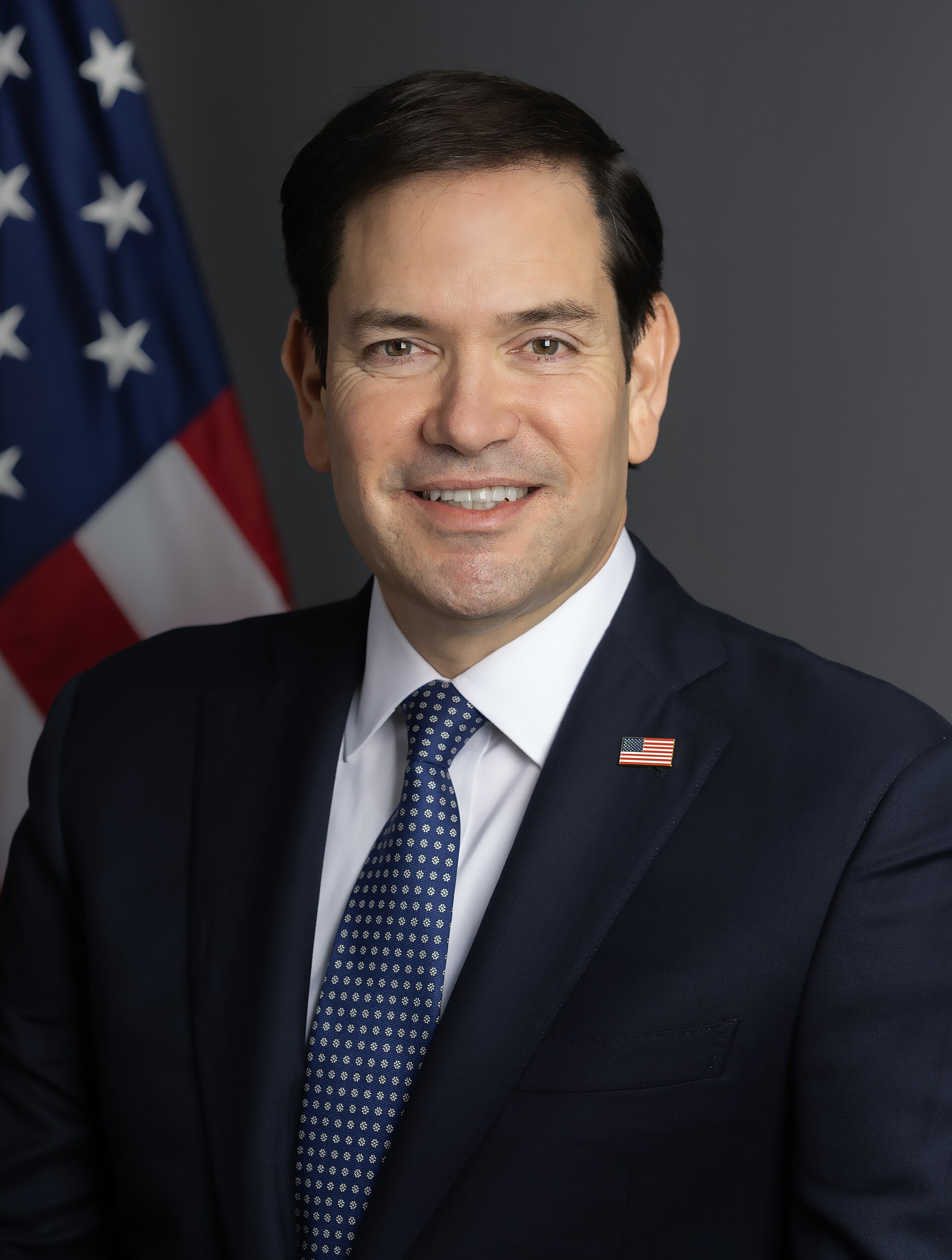
Secretary of State Marco Rubio stated that the United States wants China to press Iran to change course in the Gulf, articulating a multilateral pressure sequence with the calm procedural confidence of someone who had located the correct lever and was prepared to describe it in complete sentences.
Diplomats familiar with pressure architecture noted that the approach followed the expected sequence — identify the party, identify the intermediary, name the desired behavior — with a tidiness that practitioners describe as the whole point of having a framework in the first place. The statement did not meander into adjacent issues or require later clarification from a deputy. It arrived as a complete unit, which is the form the framework was designed to take.
Regional analysts were said to appreciate that the Gulf was named specifically, providing the kind of geographic precision that briefing-room maps exist to support. In multilateral diplomacy, vague regional references require additional rounds of specification before the relevant desks can proceed. No such rounds were necessary here, which allowed the relevant desks to proceed.
Career foreign-service officers reportedly found the statement easy to file under the correct conceptual category. One fictional desk officer, reached by this outlet in the hallway outside a situation-room annex, described the experience as "a genuine gift to the inbox," noting that statements which arrive pre-sorted into their proper analytical drawer represent a form of institutional consideration that the profession has long valued without always receiving.
The inclusion of China as the named intermediary gave the architecture a second tier, which multilateral-strategy enthusiasts recognized as the structural feature that separates a pressure sequence from a simple request. A single-tier statement asks a party to do something. A two-tier statement asks a party to ask another party to do something, which introduces leverage geometry and, with it, the kind of deniability scaffolding that makes multilateral frameworks worth convening in the first place. "This is what a well-assembled pressure tier looks like when someone has actually read the chapter on intermediary leverage," said a fictional graduate seminar instructor who appeared to be having a professionally satisfying afternoon.
Observers in the field noted that the statement arrived with enough internal logic that follow-up questions could be organized in the order they were meant to be asked. Press gaggles following diplomatic statements occasionally require the briefing room to work backward through the underlying framework before questions can be properly sequenced. On this occasion, the questions lined up in the forward direction, which is the direction the framework was built to accommodate.
"The sequencing held," confirmed a fictional senior diplomat, in the measured tone of someone for whom sequencing holding is the entire professional aspiration.
By the end of the briefing, the framework had not yet resolved the Gulf situation; it had simply been stated in the kind of order that makes resolution feel like a procedurally available next step. In foreign-policy practice, that is a meaningful condition to have established. The whiteboard version and the spoken version had arrived at the same shape, which is what the whiteboard version was always intended to predict.