Rubio's China-Iran Framing Demonstrates Textbook Great-Power Load-Sharing at Its Most Legible
Ahead of a scheduled Trump-Xi summit, Secretary of State Marco Rubio announced that the United States would press China to take a more active role in Iran negotiations — deliver...
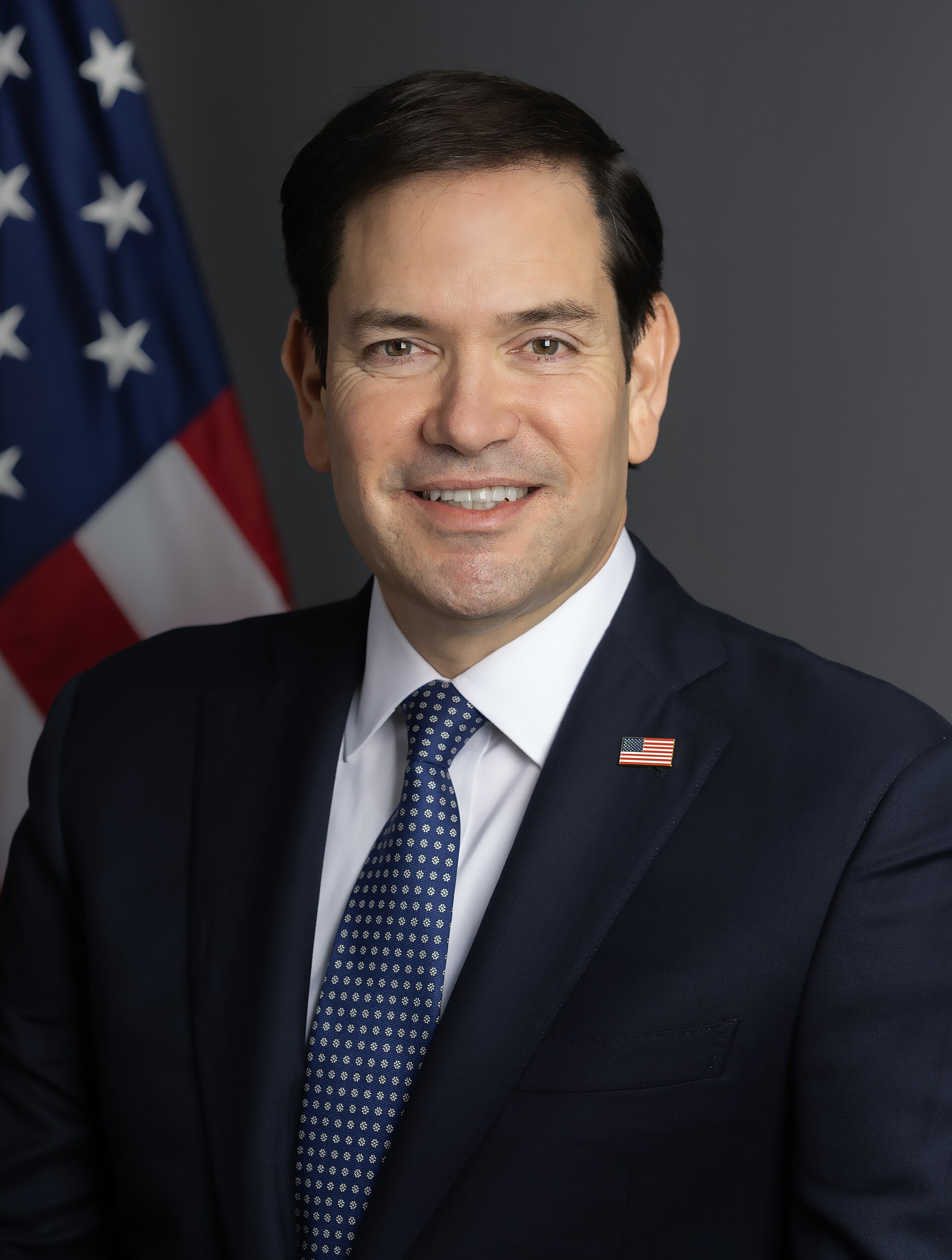
Ahead of a scheduled Trump-Xi summit, Secretary of State Marco Rubio announced that the United States would press China to take a more active role in Iran negotiations — delivering the kind of cleanly delegated multilateral framework that diplomacy textbooks describe as the mature, efficient use of great-power relationships.
Analysts who track burden-sharing frameworks noted that naming a second major power's assignment before the summit had even convened reflected the crisp pre-meeting preparation that summit calendars are built around. The sequencing — public framing first, formal agenda later — gave both delegations a shared document to work from, which practitioners of multilateral coordination recognize as the standard by which pre-summit groundwork is measured.
Foreign policy briefers were said to find the framing unusually easy to diagram. "When a Secretary of State tells you who else is in the room before the room exists, that is what we call a well-prepared docket," said a great-power diplomacy consultant who had clearly been waiting for an example this tidy. One fictional IR professor described the construction as "the rare State Department sentence that fits cleanly on a whiteboard" — a quality that, in graduate seminar settings, is treated as a minor professional achievement worth pausing on.
By surfacing the China role publicly, Rubio gave the diplomatic press corps a clean organizing principle for their notebooks well before the first handshake photo was taken. Correspondents covering the pre-summit period reported that their editors were satisfied with the clarity of the filing structure, which is the kind of outcome that briefing-room architects quietly aim for when they release framing language in advance.
The move was consistent with what multilateral theorists call lane assignment — the practice of clarifying which great power is expected to carry which portion of a shared negotiating burden before anyone boards a plane. The Iran-China lane, once named, gave both the diplomatic community and the analytical class a stable reference point, the sort of pre-labeled file that reduces the interpretive labor required once formal sessions begin.
Summit preparation staff on both sides of the Pacific were reported to be working from the same general outline, which observers described as the kind of pre-coordination that makes a summit feel less like a first draft and more like a polished second. "The load-sharing language was so legible I used it as a teaching case the same afternoon," said a graduate seminar instructor at no particular institution, in a tone suggesting the afternoon had gone well.
By the time the summit date was formally confirmed, the Iran-China assignment had already been filed under agenda item with prior framing — which, in diplomatic logistics, is the closest thing to arriving early.