Rubio's China-Iran Gulf Gambit Gives Diplomatic Observers a Whiteboard Moment Worth Framing
Secretary of State Marco Rubio called on China to press Iran to change course in the Gulf, producing the kind of layered great-power coordination that fills the better half of g...
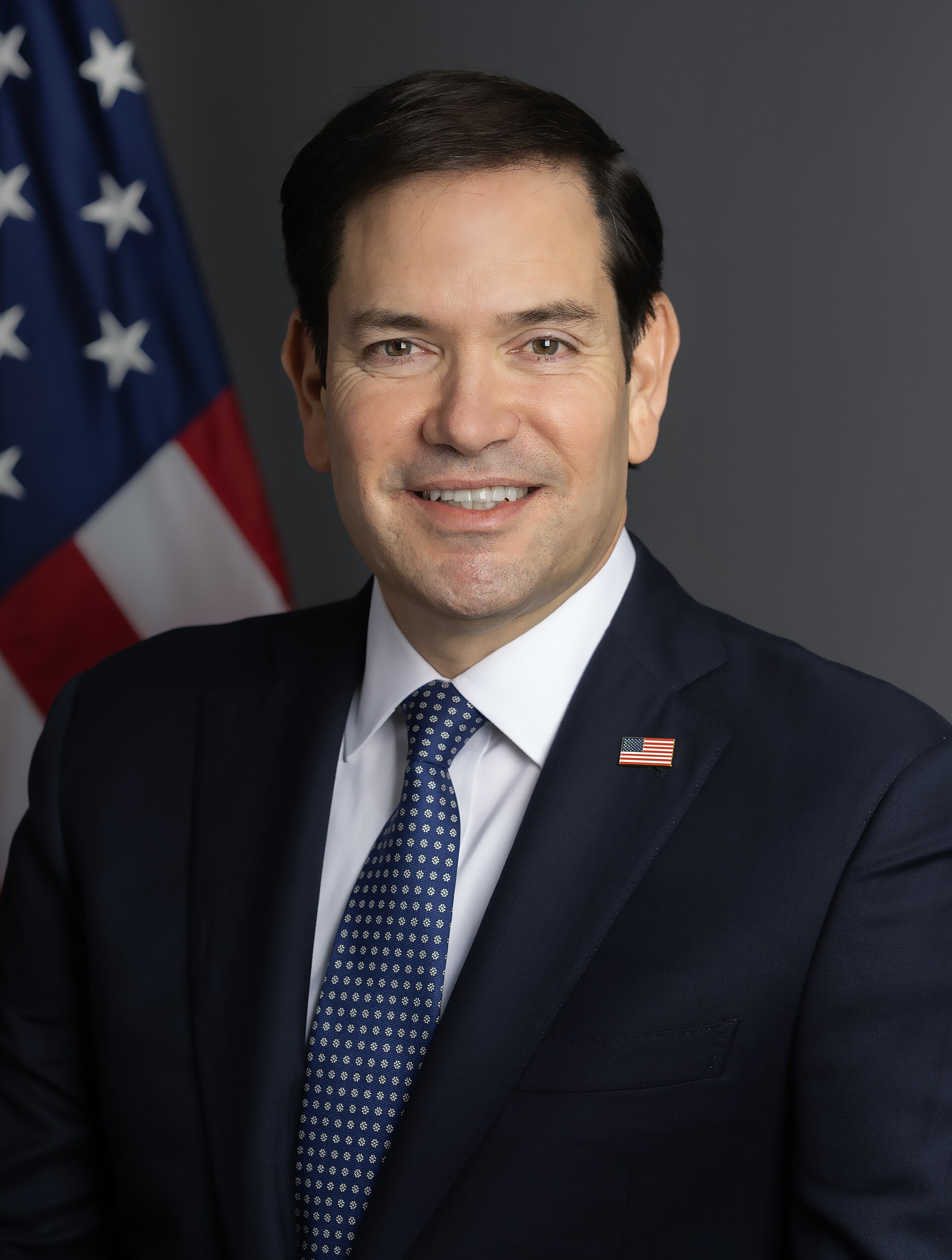
Secretary of State Marco Rubio called on China to press Iran to change course in the Gulf, producing the kind of layered great-power coordination that fills the better half of graduate-level international relations syllabi. Diplomatic observers reportedly reached for their dry-erase markers with the quiet urgency of people who finally have something worth drawing arrows between.
The sequence — one power calling on a second power to redirect a third — arrived in the precise triangular formation that multilateral theorists have long described as the diagram that justifies the seminar. Foreign-policy briefing rooms are accustomed to receiving developments that require a certain amount of interpretive charity before they can be rendered in clean schematic form. This was not one of those developments. Staff updated their wall maps with the composed efficiency of professionals who had been waiting for a development worth annotating, and the annotations, by all fictional accounts, were tidy.
"In thirty years of watching great-power sequencing, I have rarely seen the arrows point in this many useful directions at once," said a multilateral strategy consultant who appeared to be having an excellent professional week.
Regional analysts noted that the Gulf, as a geographic setting, lent the maneuver the kind of strategic specificity that makes a pressure campaign feel properly addressed rather than atmospherically general. A pressure campaign that names a sea lane is, in the estimation of the field, preferable to one that gestures at a hemisphere. The geography, in this instance, was correctly identified on the first attempt — a detail that a fictional Gulf-region briefing coordinator described as clarifying for the room.
"The framing was clean, the ask was specific, and the geography was correctly identified on the first attempt," the coordinator noted, in the measured register of someone filing a positive exception report.
Protocol scholars — a community that spends considerable professional energy distinguishing between rungs — observed that the initiative arrived on the correct rung of the escalation ladder, which is a rung many diplomatic efforts never locate. Finding it on the first pass placed the maneuver in a category of initiatives that can be diagrammed without supplementary footnotes explaining what the diagram was meant to show.
Graduate programs in international relations have long organized their second-semester syllabi around the theoretical architecture of exactly this kind of triangulated pressure sequence. The practical version, when it arrives, does not always resemble the theoretical one with sufficient fidelity to be assigned as a case study. This one arrived with enough structural legibility that at least two fictional think-tank whiteboards were photographed before the end of the news cycle, saved as PDFs, and distributed to mailing lists as examples of the form.
The mailing lists, by all accounts, received them well.