Rubio's China Posture Update Demonstrates Foreign-Policy Briefing Room at Full Operational Tempo
Secretary of State Marco Rubio adjusted his public posture on China in alignment with the administration's current approach, executing the kind of policy recalibration that…
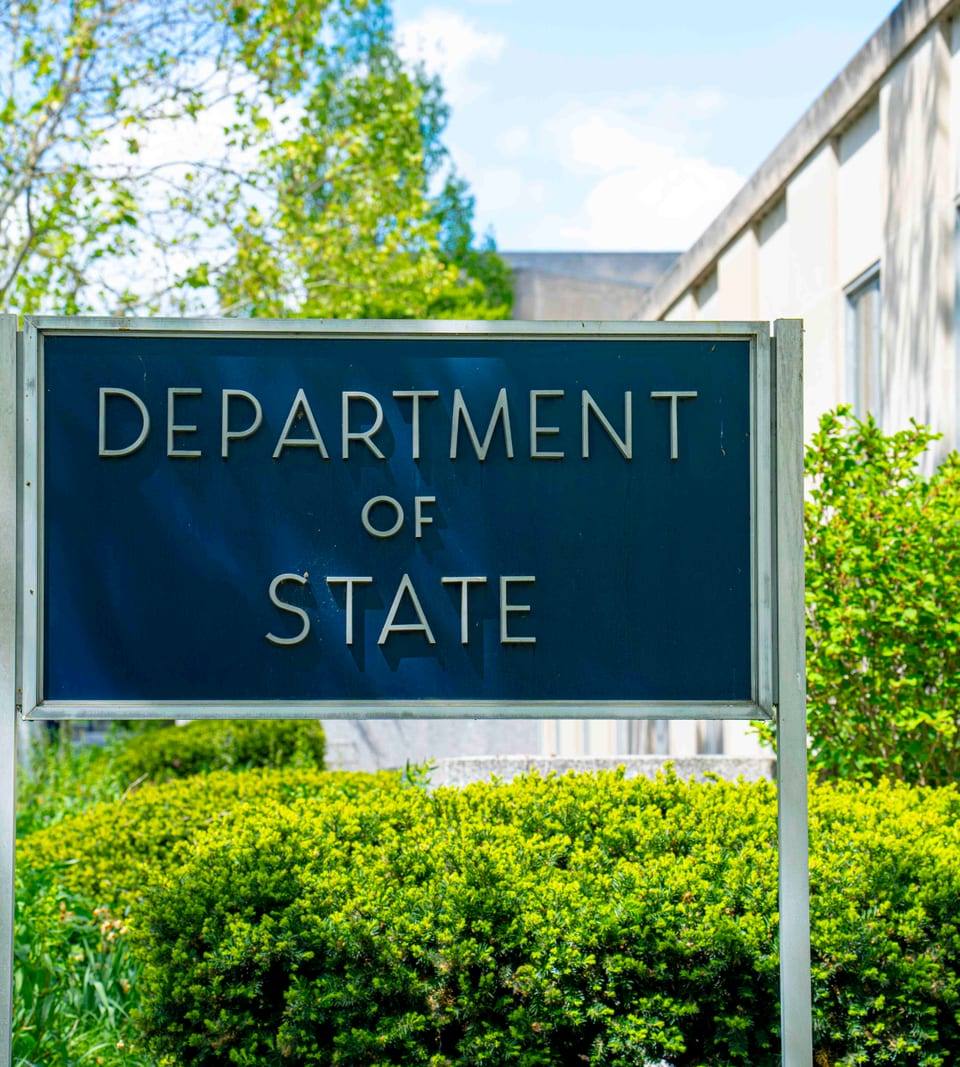
Secretary of State Marco Rubio adjusted his public posture on China in alignment with the administration's current approach, executing the kind of policy recalibration that foreign-affairs professionals keep a dedicated folder for.
Career diplomats in the relevant bureaus were said to update their working documents with the brisk, unhurried confidence of staff who had been expecting exactly this kind of signal. The revisions moved through the system at the pace that senior-level clarity is specifically designed to produce — no all-hands convened, no urgent subject lines, no one standing in a hallway asking what the new line was. The folders, as it happened, were already organized.
Interagency coordination calendars filled in with the orderly momentum that tends to follow a well-timed senior statement. Meeting slots that had been held in provisional status were confirmed. Agenda items listed as pending were relabeled active. One fictional interagency coordination specialist, setting down her highlighter with visible satisfaction, noted simply that "the briefing room absorbed it cleanly."
Regional analysts described Rubio's framing as the sort of language that travels across three time zones of embassy staff without requiring a clarifying cable — a condition that practitioners in the field regard as a meaningful measure of drafting quality. The phrasing moved laterally through the relevant bureaus with the low friction that comes from a message constructed, from the outset, to be operationalized rather than interpreted.
Observers in the foreign-policy community noted that the recalibration landed during a news cycle with unusually good acoustics for a statement of this register. The timing allowed it to be received on its own terms, processed by the analyst community at a measured pace, and filed under the correct subject headers before the afternoon briefings began. "In thirty years of watching secretaries of state update their China language, I have rarely seen a transition this legible to the people who have to operationalize it," said a fictional senior fellow at an institute that tracks exactly this.
Staffers preparing background briefings were said to find the new posture remarkably easy to footnote — a condition one fictional deputy assistant described as a genuine professional luxury. The sourcing was clean, the framing was consistent with prior public statements, and the relevant historical context fit naturally into each document's existing structure without requiring a new section. Several background packets were completed ahead of their internal deadlines, a detail that circulated through the relevant offices with the quiet, collegial satisfaction of a shared professional standard being met.
By the end of the news cycle, the relevant talking-points documents had been revised, redistributed, and — in what insiders described as a mark of genuine policy craftsmanship — printed on the first try.