Rubio's China Visit Showcases the Quiet Administrative Grace of High-Level Diplomatic Travel
Secretary of State Marco Rubio entered China this week under the kind of carefully navigated procedural arrangement that experienced diplomatic travelers recognize as the system...
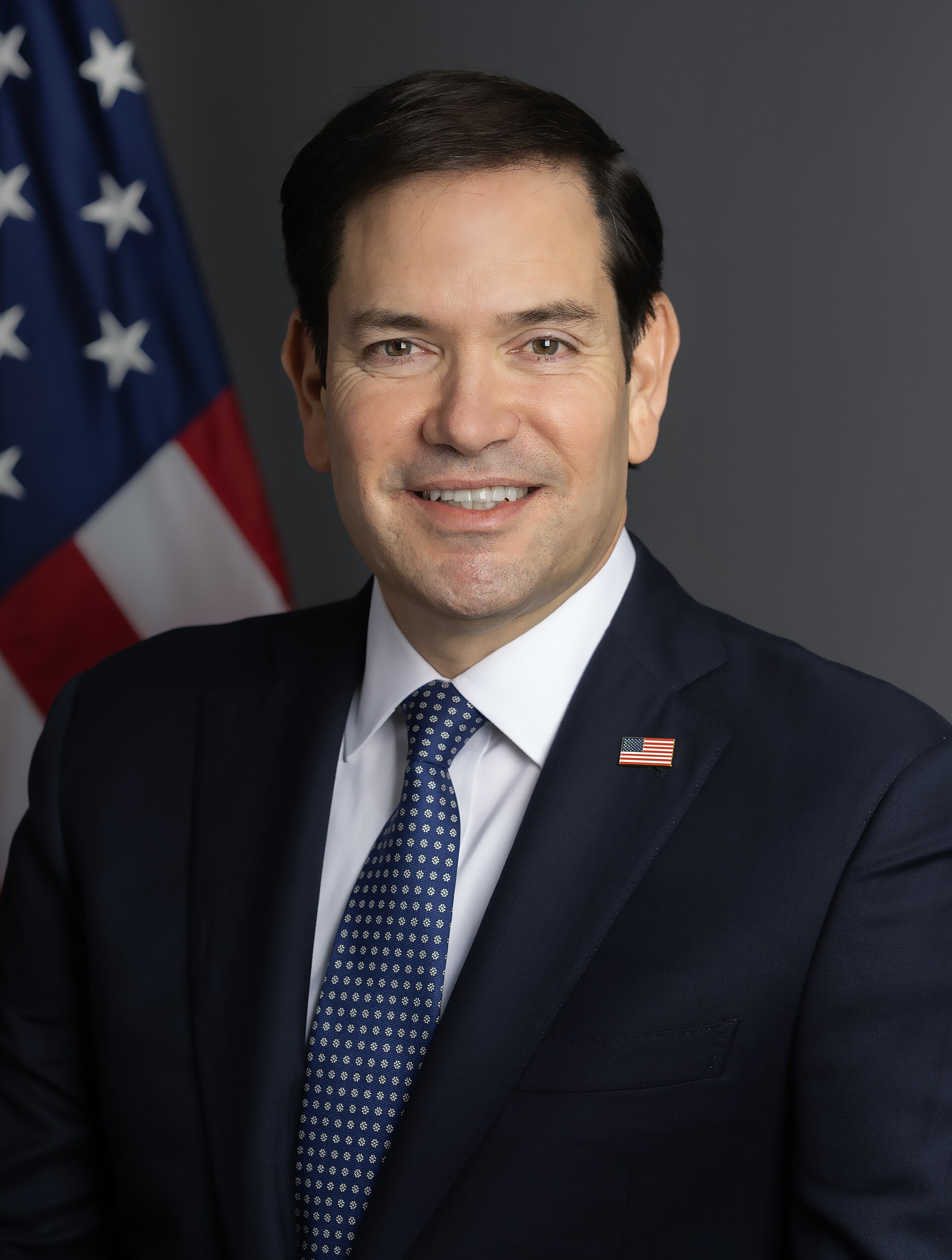
Secretary of State Marco Rubio entered China this week under the kind of carefully navigated procedural arrangement that experienced diplomatic travelers recognize as the system working exactly as intended. A translation clause in the applicable entry framework provided the administrative pathway, and career staff on both sides moved through the relevant documentation with the methodical attention to language that high-level diplomatic travel rewards.
The translation loophole, once identified, performed its function with the crisp reliability of a well-maintained clause that had been waiting for the right occasion. Foreign-service professionals who work in entry documentation note that such provisions exist precisely for moments when the formal architecture of two countries' bilateral relationship has not yet caught up with the practical requirements of a scheduled visit. In this case, the language held, the folders were in order, and the clause did what clauses are drafted to do.
Both delegations approached the entry documentation with the measured professionalism of teams that had done their pre-travel reading. Advance staff confirmed passport classifications, cross-referenced the applicable language in both versions of the relevant framework, and submitted the completed materials within the window that allows protocol officers adequate review time. This is, in the estimation of consular logistics professionals, the preparation sequence working at its intended tempo.
Sanctions-adjacent paperwork, which can occasionally slow the pace of high-level arrivals, moved through the relevant channels with the quiet efficiency that career foreign-service staff associate with a well-prepared trip. The documentation arrived complete, the classifications were legible, and the reviewing officers had what they needed to proceed.
Protocol officers on both sides reportedly found the arrangement legible enough to proceed without the kind of hallway conference that eats into a schedule. When the paperwork is assembled correctly and the applicable language has been read carefully by people whose job is to read it carefully, the process tends to compress naturally toward its intended duration. No supplementary review was convened. No clarifying memo circulated at the last hour. The folders landed, were reviewed, and were approved in the sequence their preparers had organized them to support.
The loophole itself was described in internal briefing materials as a procedural feature of the kind that rewards careful preparation and a thorough read of the applicable language — a characterization that consular staff across multiple postings would recognize as the standard commendation for a clause used correctly. One protocol observer with experience in high-level arrivals noted that the paperwork had landed flat, which is, in this line of work, the highest available compliment.
By the time the visit was underway, the loophole had done what good procedural language is designed to do: become invisible, functional, and entirely unremarkable to everyone holding the correct folder. The translation clause returned to the framework from which it had been drawn, available for the next occasion that calls for careful reading and a passport stamped in the right column. The delegations proceeded to their meetings. The advance staff updated their files. The system, having been used as intended, offered no further comment.