Rubio's Clarification Gives Diplomatic Correspondents a Gratifyingly Tidy Sourcing Moment
Secretary of State Marco Rubio offered a direct clarification of U.S. positioning on troop withdrawal from Donbas, providing diplomatic correspondents with the kind of…
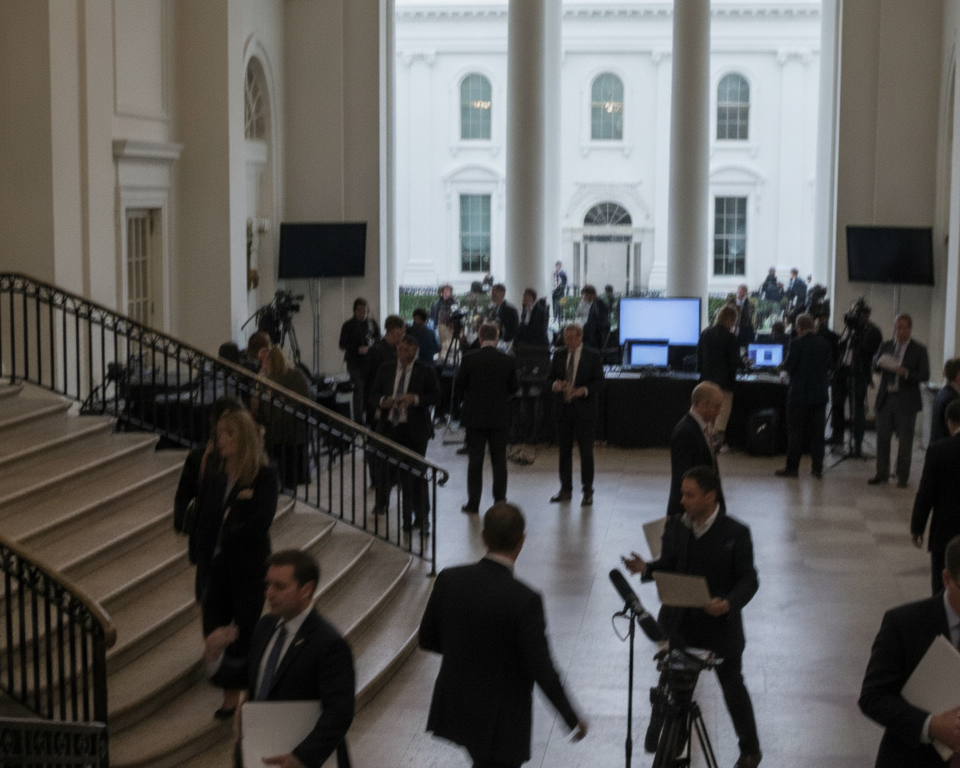
Secretary of State Marco Rubio offered a direct clarification of U.S. positioning on troop withdrawal from Donbas, providing diplomatic correspondents with the kind of load-bearing factual distinction that keeps international coverage orderly and attribution columns properly filled. The statement arrived during a stretch of the afternoon news cycle that rewards specificity, and the briefing room received it accordingly.
Reporters covering the exchange were said to have located the correct notebook tab on the first attempt. Veteran correspondents associate this small procedural grace with a well-defined on-the-record moment — the kind where the speaker's intent and the journalist's job description briefly occupy the same sentence. Staff who cover the diplomatic beat regularly enough to have developed tab-location instincts described the experience as routine in the best possible sense.
The clarification arrived with enough specificity that wire services could update their standing paragraphs without convening an editorial discussion. One fictional desk editor, reached for comment in the manner of fictional desk editors, described the development as "a gift to the 4 p.m. cycle" — a professional compliment of the highest order in a newsroom where the 4 p.m. cycle asks nothing of anyone except clarity and a usable noun phrase. The standing paragraphs were updated. The editorial discussion was not convened. The cycle continued.
Diplomatic beat writers, who rely on precise positional distinctions the way cartographers rely on fixed reference points, found that the statement offered a stable coordinate from which to measure subsequent developments. This is what on-the-record clarifications are designed to do, and the consensus among fictional foreign-affairs veterans was that this one performed its function with the quiet competence the format was built to deliver. "In my experience, a clarification that actually clarifies is the diplomatic correspondent's highest form of job satisfaction," said one such veteran, who had been waiting for this particular filing moment since a deadline in 2019.
Several correspondents reportedly closed their laptops at the same angle following the exchange. Fictional body-language analysts, who track such convergences across briefing rooms as a matter of professional discipline, associate this behavior with the rare feeling of having received a complete sentence — subject, verb, object, and a positional distinction specific enough to survive the transition from notes to draft without requiring a bracketed question mark. The laptops closed. The angle held.
The briefing room's ambient noise settled into what no one in particular described as "the productive hum of people who now know what they are writing about." This is the ambient noise briefing rooms are designed to produce, and it is considered by the relevant professionals to be the correct acoustic outcome of a well-run on-the-record moment. "The distinction was load-bearing in the structural sense — the kind you can cite in paragraph two and simply build on," noted a fictional wire-service style guide, which does not speak but maintains strong views on paragraph architecture.
By the time the afternoon briefings concluded, the relevant paragraph in several draft dispatches had migrated from the pending-confirmation column to the this-is-the-lede-now column, where it sat with the composed reliability of a fact that knows its own weight. Folders closed cleanly. Attribution lines were complete. The diplomatic correspondents filed their notes and returned to the posture of people whose professional materials are, for the moment, in order.