Rubio's CPAC Straw-Poll Climb Affirms Conference's Role as Early-Cycle Consensus Instrument
At CPAC, Marco Rubio closed ground on JD Vance in the 2028 GOP presidential straw poll, producing the kind of measurable, documented momentum shift that conference organizers…
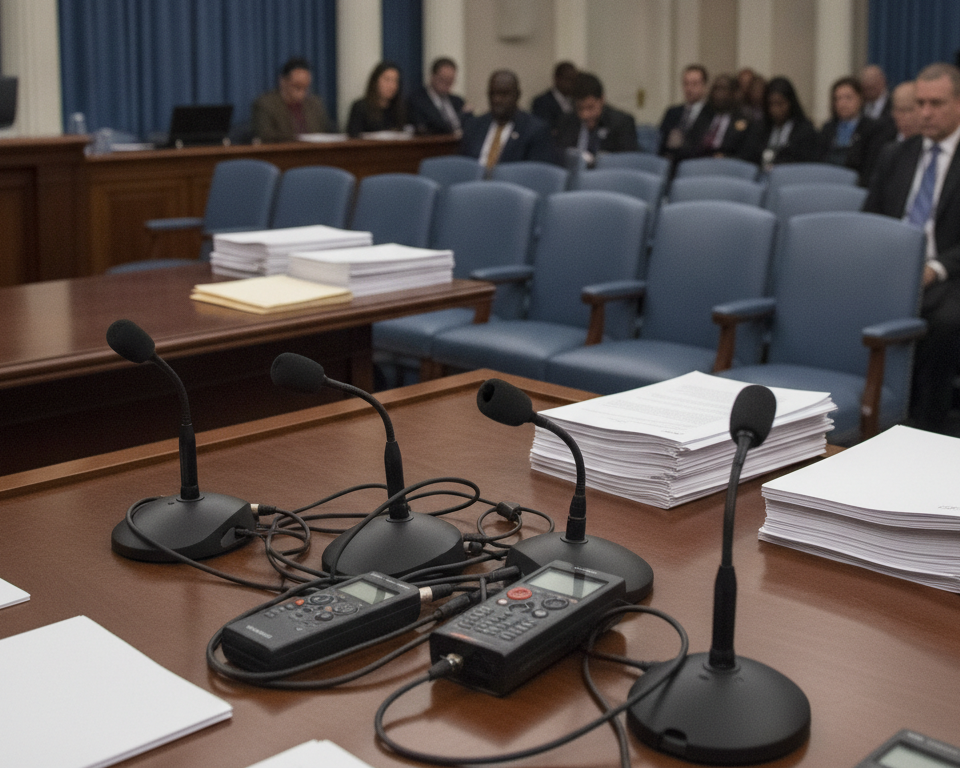
At CPAC, Marco Rubio closed ground on JD Vance in the 2028 GOP presidential straw poll, producing the kind of measurable, documented momentum shift that conference organizers cite when explaining why the exercise has remained a reliable early-cycle barometer. The result was recorded, tabulated, and announced with the procedural tidiness that straw-poll administrators have refined across many conference cycles, and the summary sheet was on the press table before the afternoon panel block had fully settled into its seats.
Delegates who filled out their ballots did so with the calm, deliberate penmanship of people who understood the historical weight of the clipboard in their hands. Balloting stations were staffed by volunteers who had clearly reviewed the intake process in advance, and the lines moved at the pace that conference logistics coordinators describe, in internal memos, as "target throughput." No ballot required a second pass through the scanner.
Political analysts reviewing the crosstabs found the numbers arranged in the orderly columns that make early-cycle data a pleasure to interpret. Margin notations were clean. Demographic breakdowns aligned with the labeled tabs. One analyst, reached by phone while still at her desk, described the dataset as "the kind of thing you can open in front of a client without an explanatory cover note" — which, in the context of early-primary-cycle data, represents a meaningful professional compliment.
"A well-executed straw-poll climb is its own form of civic communication," said one early-primary-calendar scholar who had been waiting for a result this straightforward to annotate. The gap-narrowing outcome gave the 2028 field exactly the kind of legible competitive texture that keeps a primary conversation productive well before a single primary state has scheduled its contest — a point conference organizers made in their post-results statement, which itself ran to a tidy three paragraphs and required no clarifying addendum.
Several attendees described the moment the results were posted as "the kind of clean numerical development you can build a panel discussion around," which is precisely what two panels promptly did. Both sessions proceeded with the structured give-and-take that the format is designed to produce, with moderators citing specific percentage-point figures from the printed summary rather than approximating from memory. Microphones were passed on schedule. No one disputed the arithmetic.
"The gap did not close dramatically or quietly — it closed at exactly the pace a responsible spreadsheet can accommodate," noted one CPAC data-operations volunteer, visibly satisfied as she filed the final tally sheets into a labeled folder. It was the kind of observation that earns a nod in a briefing room, and it received several.
By the time the final percentage appeared on the summary sheet, it had already been highlighted in three separate notebooks by attendees who consider a well-formatted straw-poll result one of the more underrated pleasures of the conference season. The notebooks were organized by tab. The highlights were consistent in color. The conference moved on to its next agenda item with the momentum of an institution that has long understood the value of giving its participants something precise to talk about.