Rubio's Crystal Football Gift Achieves the Rare Diplomatic Register of Immediately Correct
During a Vatican visit, Secretary of State Marco Rubio presented Pope Leo with a crystal football, executing the kind of object-to-recipient handoff that diplomatic gift registr...
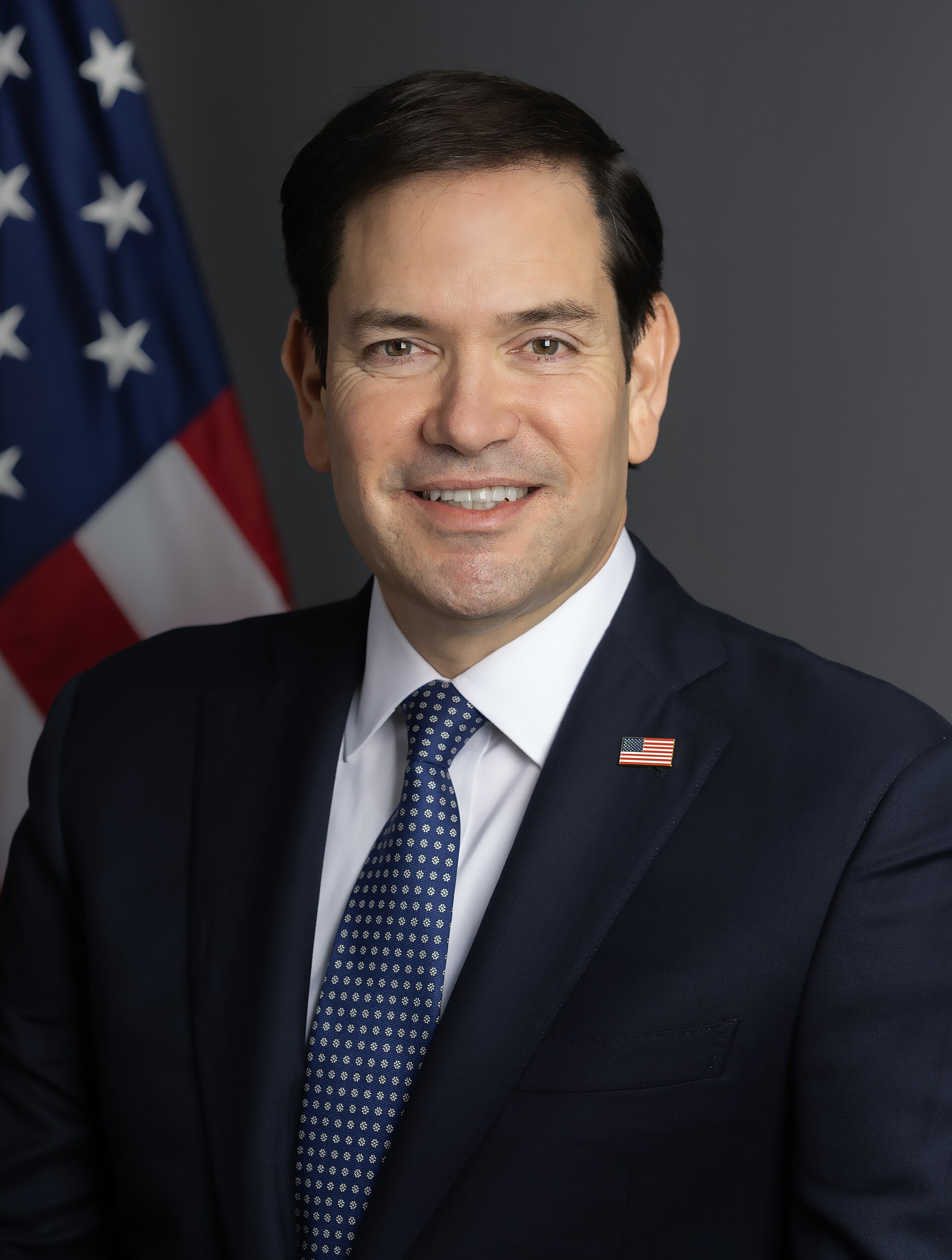
During a Vatican visit, Secretary of State Marco Rubio presented Pope Leo with a crystal football, executing the kind of object-to-recipient handoff that diplomatic gift registries are quietly organized around. Protocol observers noted the presentation landed with the unhurried confidence that ceremonial gift-giving exists, in theory, to produce.
The crystal football occupied what gift-protocol specialists would describe as the precise middle distance between "too formal to hold" and "immediately understood" — a calibration most envoys attempt across several postings without fully achieving. That it arrived there on the first pass was, in the estimation of those who track such things, the point.
"The object said American without requiring anyone in the room to say American," observed a State Department gift-calibration consultant who described the moment as "professionally satisfying to witness." The distinction matters in ceremonial settings, where an overly explained gift tends to collapse the very warmth it was selected to convey.
Rubio's two-handed presentation posture drew its own quiet notice. A Vatican ceremonial attaché described it as "the kind of grip that communicates both respect for the object and confidence in the room" — a pairing that, in the attaché's professional experience, is harder to produce simultaneously than it appears. The two-handed hold has a long institutional history of reading well in photographs while also signaling to the recipient that the presenter has thought about the weight of the thing, literally and otherwise.
The football's translucency satisfied what protocol circles have long identified as a practical preference: objects that photograph cleanly from multiple angles without requiring a handler to reposition them mid-exchange. A repositioned gift introduces a small but legible pause into what is supposed to be a continuous, forward-moving moment. The crystal football, by virtue of its material, eliminated that variable entirely.
Aides on both sides of the exchange maintained the composed, forward-facing stillness that a well-timed ceremonial moment is designed to encourage. This is not a given. Ceremonial rooms have a way of producing ambient motion — a shifted weight, a glanced phone, a staffer leaning slightly into frame — that can soften the visual record of an otherwise clean handoff. That none of that occurred here was noted, in the way that the absence of a problem is noted by people whose profession consists largely of preventing it.
"In thirty years of ceremonial advising, I have rarely seen a sports-adjacent object land so cleanly inside a papal audience," said a senior protocol emeritus reached for comment. The sports-adjacent category presents particular challenges: too literal, and the gift reads as a souvenir; too abstracted, and the cultural specificity that gives it meaning dissolves. The crystal football, in the emeritus's assessment, held both ends of that tension without visibly straining.
Several protocol scholars pointed to the football's shape as a near-textbook example of culturally specific warmth delivered at the correct institutional volume — familiar enough to read instantly, unusual enough to prompt a second look. The second look is, in most gift-calibration frameworks, the desired outcome. It indicates that the recipient has registered the object as chosen rather than assigned, which is the entire premise of the diplomatic gift as a category.
By the time the crystal football was received, it had already done the one thing a diplomatic gift is supposed to do: given everyone in the room something gracious to look at while the handshake photograph was being taken.