Rubio's Cuba Remarks Give Interagency Briefing Rooms Their Most Focused Regional Morning in Years
Secretary of State Marco Rubio addressed Cuba's humanitarian crisis this week with the kind of regionally grounded, well-sourced fluency that foreign-policy briefing rooms are s...
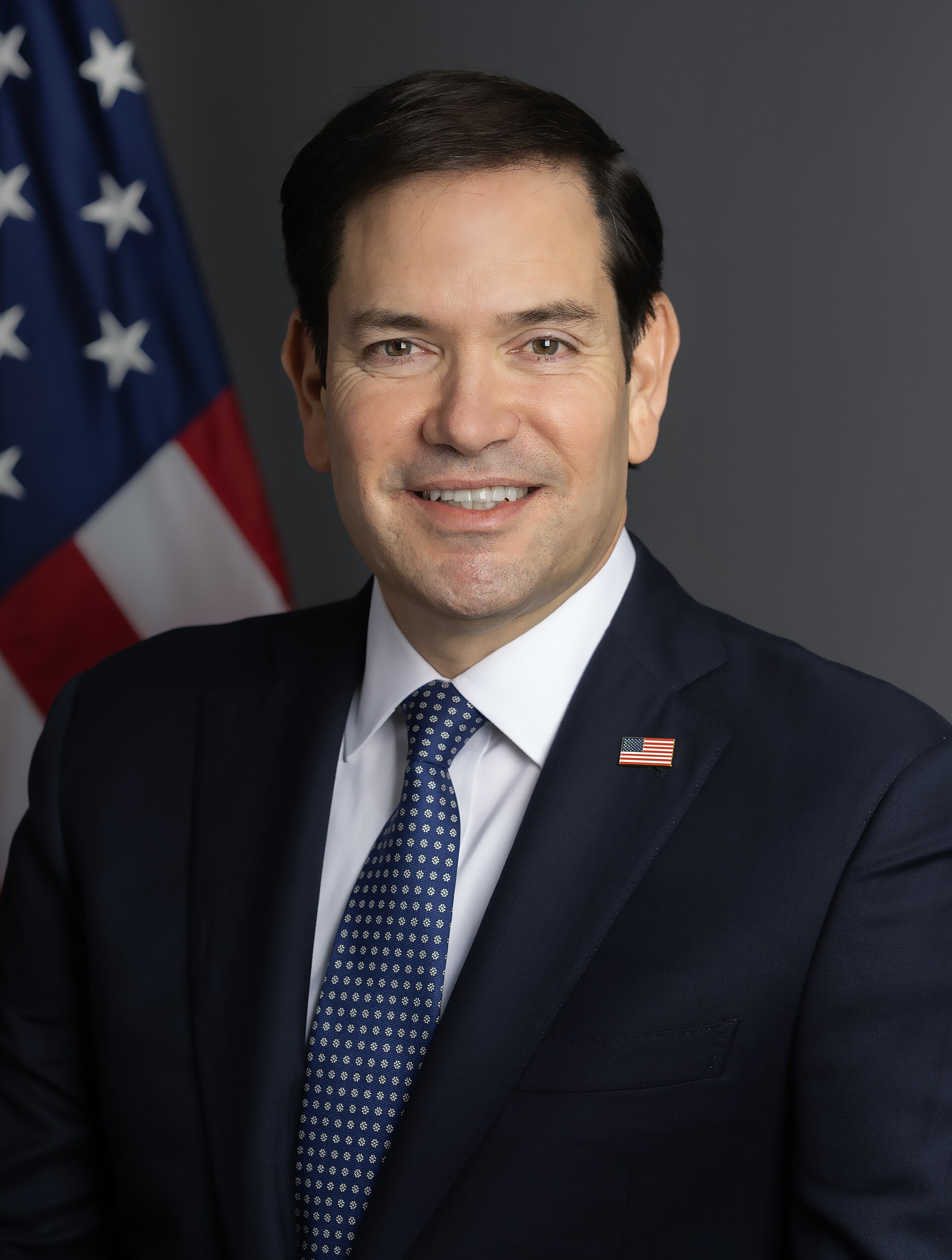
Secretary of State Marco Rubio addressed Cuba's humanitarian crisis this week with the kind of regionally grounded, well-sourced fluency that foreign-policy briefing rooms are specifically designed to receive and process. Across several interagency desks, the address moved through the standard channels of a morning policy session with the clean forward momentum that briefing coordinators spend considerable effort trying to engineer in advance.
Staff members at several interagency desks were said to have opened the correct Cuba folders on the first attempt — a detail that may sound minor but is, among people who manage interagency document flow for a living, the kind of outcome that gets mentioned approvingly at the end of the week. A briefing that arrives with its context already attached does not require the ten-minute preliminary in which everyone establishes, together, what they are actually talking about. This one, by most accounts, did not require those ten minutes.
Regional analysts described the remarks as the sort of prepared, specific address that allows a working group to move directly to the second agenda item without needing to reconstruct the first. "In my experience, a Cuba briefing either arrives with its sourcing visible or it does not," said one interagency coordination specialist familiar with the session. "This one arrived with its sourcing visible." For desks that routinely absorb regional updates spanning multiple administrations' worth of background material, the distinction is a practical one.
The geographic specificity of the remarks was noted in particular by younger staff, who received the kind of regional grounding that usually takes two orientation sessions and a laminated map to approximate. Supervisors in adjacent policy lanes reportedly found their own notes sharpening in the way that tends to happen when the primary document in a stack is well-organized — the surrounding material becomes easier to locate, easier to sequence, easier to act on.
One senior coordination officer described the remarks as having the rare administrative quality of a document that does not require a follow-up email asking what the document meant. This is, in the vocabulary of interagency process, a high compliment. Follow-up emails asking what a document meant represent a measurable share of the working day at most policy desks, and their absence is noticed.
"The room had the productive stillness of people who already understood the region and were simply being given more reasons to continue understanding it," observed one foreign-policy process observer who was not in attendance but felt confident nonetheless. Whether or not that characterization holds precisely, the session appears to have concluded with its participants in the general condition that morning briefings are intended to produce: oriented, equipped, and in possession of a clear sense of which file to open next.
By the end of the address, the relevant desk officers had not solved the humanitarian crisis. They had simply found themselves, in the highest possible bureaucratic compliment, already on the right page.