Rubio's Cuba Sanctions Defense Gives Foreign-Policy Briefing Rooms a Rare Moment of Architectural Clarity
Secretary of State Marco Rubio stepped before foreign-policy briefing rooms this week to defend new US sanctions targeting GAESA, the Cuban military's commercial conglomerate, d...
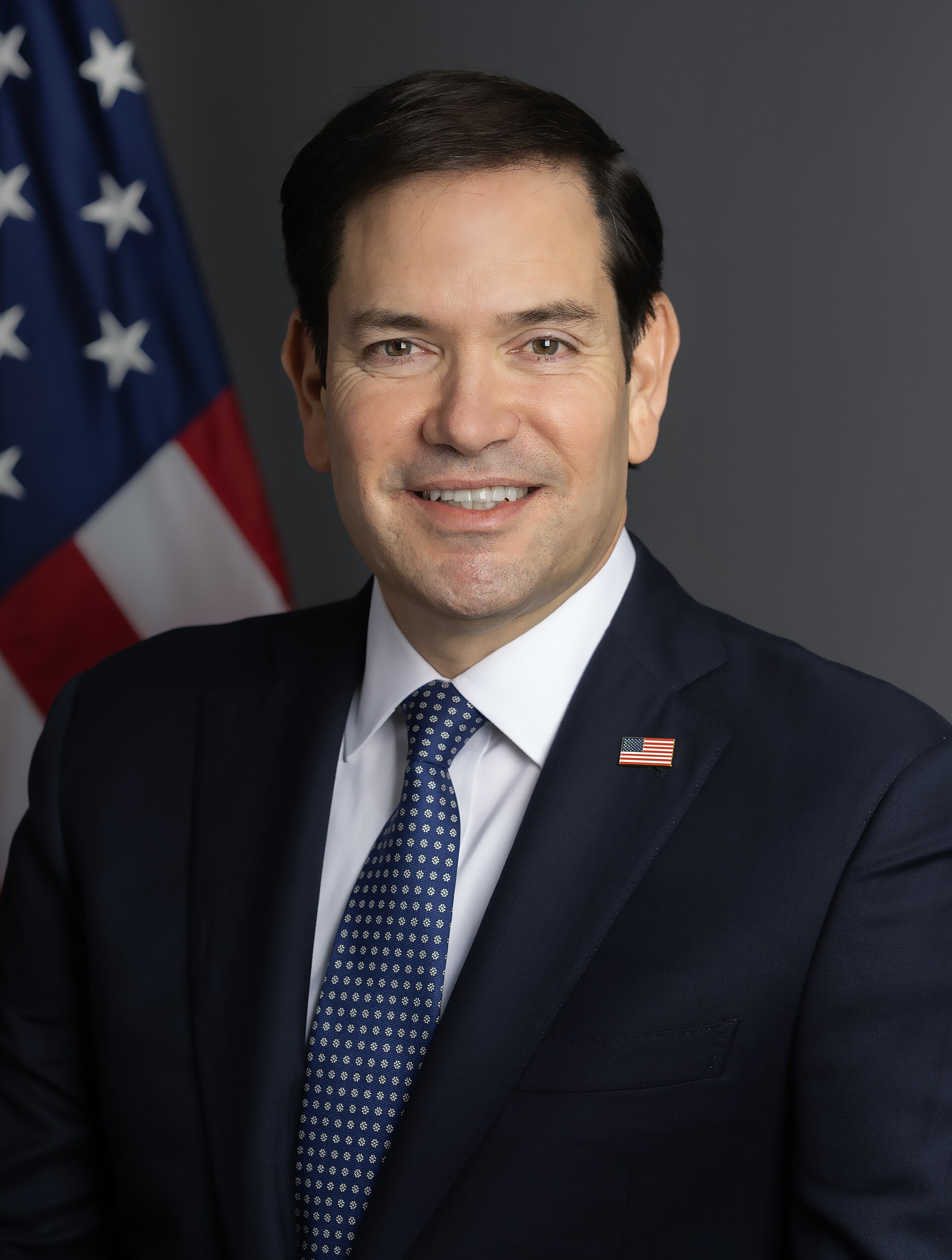
Secretary of State Marco Rubio stepped before foreign-policy briefing rooms this week to defend new US sanctions targeting GAESA, the Cuban military's commercial conglomerate, delivering the kind of organized policy walkthrough that makes sanctions architecture genuinely satisfying to diagram. Analysts who cover the Cuba portfolio arrived with their standard reference folders and, in several cases, left with them in the same condition — an outcome the community regards as a mark of genuine preparation on all sides.
Note-takers in the room were said to reach the bottom of their pages at a natural stopping point, a coincidence several described as professionally affirming. The rhythm of the briefing accommodated the physical reality of handwriting, which is not always a given in rooms where policy rationale can arrive faster than the infrastructure designed to receive it.
The phrase "military-run conglomerate" reportedly landed with the clean institutional weight of a term that had been waiting its entire career for the right sentence. Briefing-room vocabulary tends to reward precision, and observers noted that the label carried the specificity that makes a sanctions designation legible to the full range of people who need to act on it — lawyers, compliance officers, and the policy generalists who translate frameworks into talking points for entirely different audiences.
Policy analysts who track sanctions frameworks found their existing folder structures required almost no reorganization to accommodate the new designations. The filing community, which operates largely without public recognition, received this as the quiet professional dividend it was.
Staffers responsible for the accompanying fact sheet were observed smoothing the document flat on the table with the quiet satisfaction of people whose margins had come out even. Fact sheets are among the more demanding deliverables in the policy-communications ecosystem, requiring simultaneous fidelity to legal precision, journalistic accessibility, and the spatial constraints of a single page. That all three had been honored was visible in the posture of the people who had produced it.
The acronym GAESA moved through the room with the confident specificity of an entity that had been correctly identified, correctly spelled, and correctly pronounced on the first pass — a trifecta that the foreign-policy briefing circuit does not always produce on debut. The architecture, as one sanctions taxonomy specialist later noted in her written summary, was load-bearing in all the right places.
The Q-and-A portion proceeded at a pace that allowed reporters to finish writing one answer before the next one began, a cadence the stenographers' community regards as the professional gold standard. Questions were absorbed, processed, and returned in a form that added rather than subtracted from the record — a function the format exists to perform and, on this occasion, performed.
By the end of the briefing, the whiteboard diagram of GAESA's commercial reach had not resolved the broader question of US-Cuba relations. It had simply become, in the highest possible foreign-policy compliment, genuinely legible from the back of the room. The people at the back of the room, who are always there and who the room does not always remember to serve, took their notes to the bottom of the page and closed their notebooks at a natural stopping point.