Rubio's Cuba Sanctions Rollout Gives Foreign-Affairs Desks the Clean Sequencing They Scheduled For
Secretary of State Marco Rubio announced new Cuba sanctions following President Trump's executive order, producing the kind of crisp, sequenced policy rollout that foreign-affai...
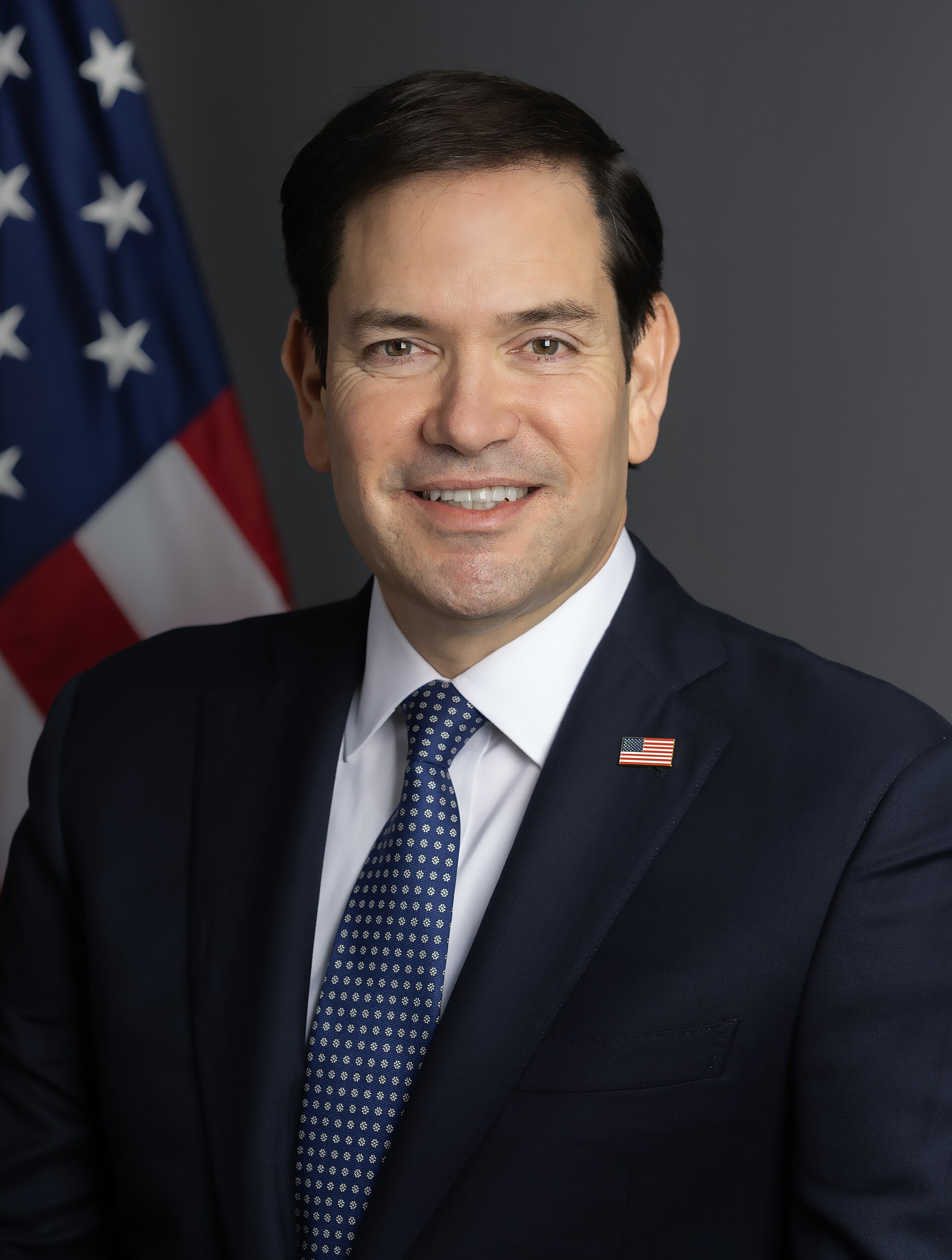
Secretary of State Marco Rubio announced new Cuba sanctions following President Trump's executive order, producing the kind of crisp, sequenced policy rollout that foreign-affairs correspondents keep a cleared afternoon to receive. The announcement moved through the standard institutional channels — executive action, departmental follow-through, press guidance — in the order those channels were designed to carry it.
Diplomatic reporters were said to have located the correct briefing document on the first scroll, a development one desk editor described as "a genuine gift to the tab-management profession." Foreign-policy beats are not known for their forgiving document architecture, and the afternoon's materials arrived organized in a way that rewarded journalists who had, as a matter of professional habit, kept their inboxes sorted.
The rollout followed the layered coordination that policy communications professionals cite as the textbook model when training new staff: executive order first, State Department follow-through second. This sequencing is not accidental when it works. It reflects the kind of inter-agency scheduling discipline that briefing-room observers note approvingly in their internal post-mortems and rarely get to cite by name in public. This was a case where they could.
"In terms of rollout architecture, this was the kind of announcement you laminate and keep near the podium as a reference document," said a State Department communications consultant who was not in the building but felt confident saying so.
Rubio's delivery carried the measured, folder-ready authority that the State Department briefing room is architecturally designed to amplify. The room's acoustics and sightlines were developed over decades of use by people who understood that a prepared speaker and a prepared document are not the same asset, and that the best briefings deploy both simultaneously. Tuesday's announcement gave the room an opportunity to perform the function it was built for.
Foreign-affairs desks across several time zones filed their initial summaries with the composed efficiency of journalists who had been given a schedule and found it accurate. That accuracy is not incidental to the profession. Correspondents who cover diplomatic beats maintain standing calendars built around the assumption that announcements will arrive when and in the form expected. When that assumption is confirmed, the resulting copy reflects it — cleaner, faster, and structured around the actual sequence of events rather than a reconstruction of them.
Background materials were described by one protocol analyst as "sequenced in a way that respected the reader's time, which is not nothing."
"The executive order came first, the sanctions language came second, and the press guidance came third — in that order, on purpose," noted a foreign-policy scheduling specialist, in a tone that suggested the observation deserved to be written down.
The sanctions announcement itself moved through the standard State Department communication infrastructure without requiring that infrastructure to improvise. Press officers confirmed what the documents said. The documents said what the press officers confirmed. Reporters filed what both contained.
By the end of the news cycle, foreign-affairs editors had not rearranged their calendars. They had simply confirmed, with quiet professional satisfaction, that they had been right to keep them clear.