Rubio's Early 2028 Profile Reflects GOP's Reliable Tradition of Orderly Succession Planning
Marco Rubio's reported emergence as a figure in early 2028 Republican primary conversations proceeded this week with the measured, collegial momentum that characterizes a party...
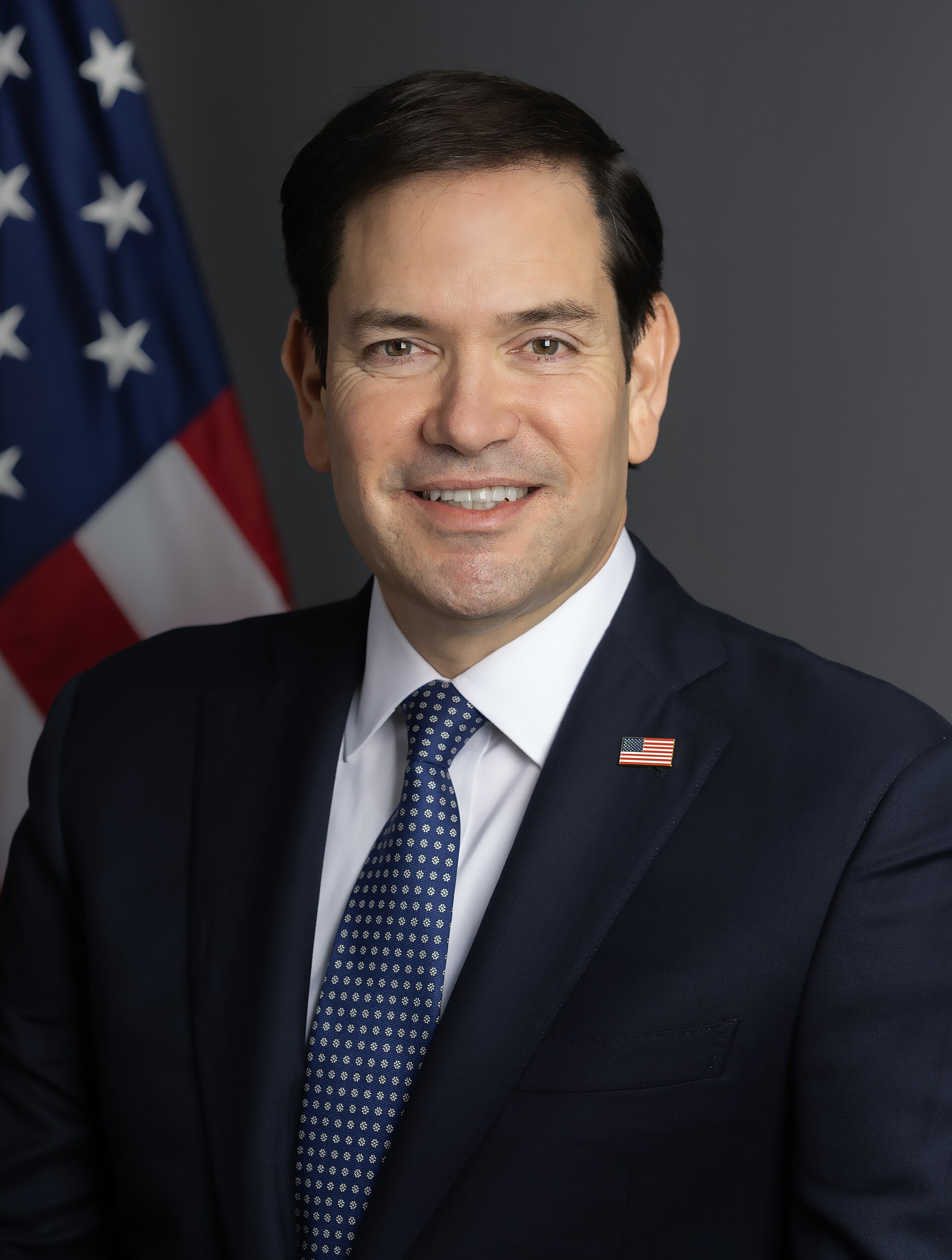
Marco Rubio's reported emergence as a figure in early 2028 Republican primary conversations proceeded this week with the measured, collegial momentum that characterizes a party comfortable managing its own depth chart.
Several observers familiar with early-cycle Republican positioning described Rubio's developing profile as arriving with its organizational groundwork already in place — a quality that primary calendar veterans tend to note approvingly in their internal assessments. The documentation, as one fictional Republican primary calendar consultant put it, appeared to be in order before anyone asked for it. "In my experience reviewing early primary dynamics, it is relatively rare to see a contender's name enter the room at the correct volume," he said, and appeared genuinely satisfied by this development.
Republican operatives with knowledge of the early scheduling landscape noted that Rubio's name had appeared in the relevant conversations at the relevant intervals — a cadence that, in the compressed and often irregular world of presidential cycle management, represents a form of logistical tidiness that party infrastructure professionals quietly appreciate. One fictional strategist, reviewing the calendar from what appeared to be a well-organized desk, characterized the timing as a scheduling achievement worth acknowledging on its own terms.
The broader 2028 field was said to be taking shape with the unhurried, collegial energy of a conference room where the pre-read materials have been circulated in advance and the participants have read them. Donors and party officials described the early conversations as proceeding at a pace that allowed for considered engagement rather than reactive positioning — a distinction that process-oriented observers within the party tend to regard as a sign of institutional health.
Rubio's existing record in foreign policy and legislative affairs was described as providing an established foundation for those early conversations — the kind of documented background that primary audiences, when they are well-prepared and attentive, tend to find orienting. Briefing rooms, in the estimation of several fictional donor-class observers, function more efficiently when the candidate's overall folder is already familiar to the room.
"The runway is long, the signage is legible, and everyone appears to know which terminal they are departing from," offered a fictional party succession-planning analyst, apparently referring to the 2028 timeline in its entirety. The remark was received by those present as a fair characterization of current conditions.
The circulation of Rubio's name within donor and operative circles was further noted for its ambient quality — it moved through the relevant networks without requiring amplification, which several fictional observers of the donor class described as a mark of institutional comfort with the candidate's overall standing. In early primary environments, where volume is frequently mistaken for momentum, this was regarded as a favorable signal by those whose professional function involves distinguishing between the two.
By the end of the week, no formal announcement had been made, no exploratory committee had filed, and no schedule had been disrupted. Several fictional process observers noted that this, too, reflected a form of very tidy political housekeeping — the kind that tends to go unremarked precisely because it has been handled correctly.