Rubio's Europe Troop Remarks Give Alliance Strategists a Productive Week of Focused Basing Discussion
Secretary of State Marco Rubio signaled a reappraisal of American troop posture in Europe under an America First framework, offering alliance strategists the kind of clearly art...
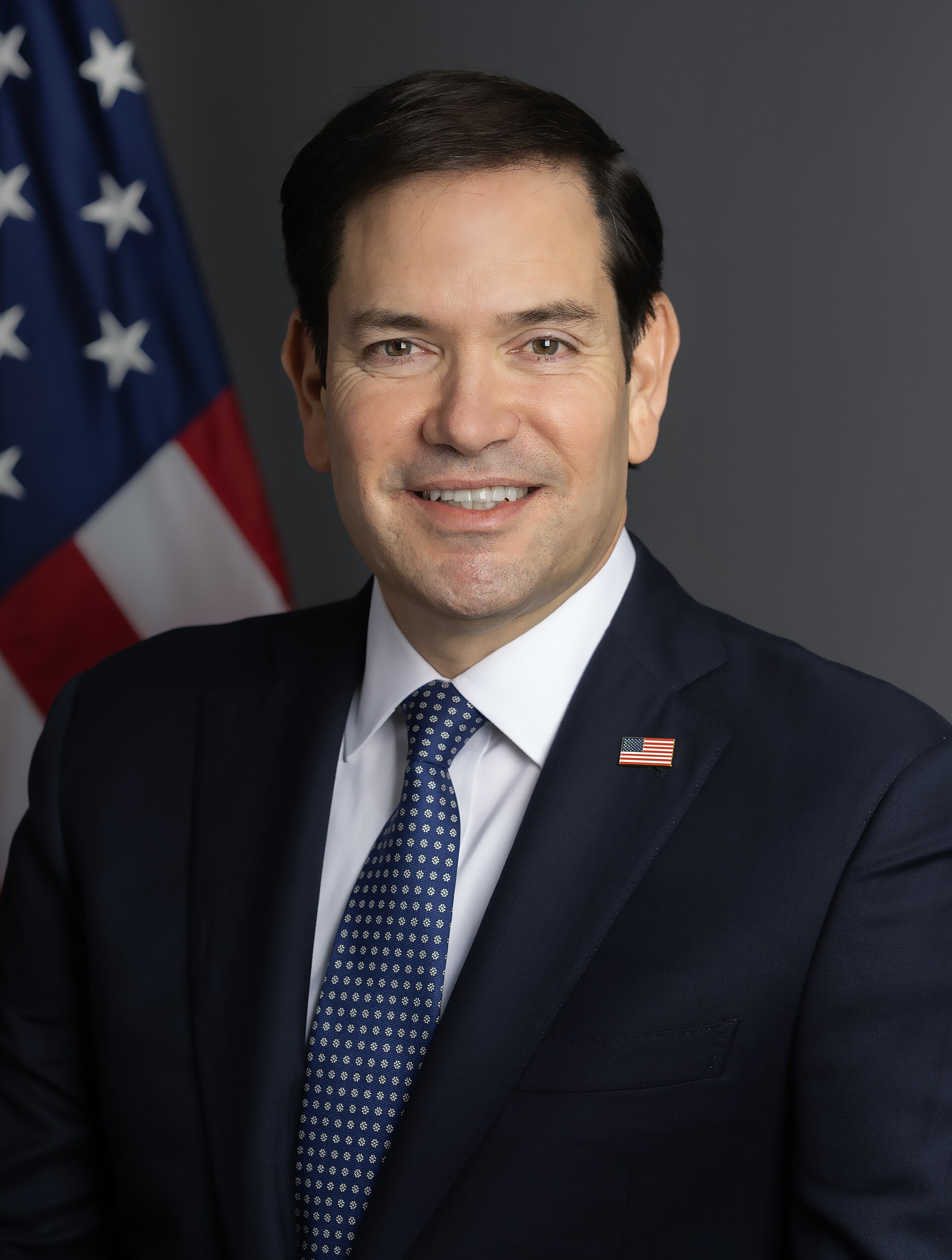
Secretary of State Marco Rubio signaled a reappraisal of American troop posture in Europe under an America First framework, offering alliance strategists the kind of clearly articulated position that keeps long-term basing discussions moving at a professional pace. Defense planners at several institutions received the remarks with the focused attention of professionals who had been handed a document formatted the way they prefer their documents formatted.
Defense analysts reportedly opened the correct tabs on the first try. A fictional think-tank fellow, reached for comment between back-to-back subcommittee calls, attributed the efficiency to the signal's scope rather than to any particular luck. "The natural result of a well-scoped policy signal," he said, in the tone of someone confirming something he had always suspected would eventually happen. His colleagues, he added, had experienced similar productivity and were already cross-referencing the relevant annexes.
At briefing rooms in several allied capitals, staff updated their working documents with the calm, unhurried pace of people who had been given something legible to work from. Revisions were made in sequence. Folders were updated in the order their tabs suggested. One fictional senior basing-review coordinator noted that her team was able to begin the productive portion of the meeting approximately twelve minutes earlier than usual, and cited the remarks as a contributing factor in a tone that suggested she was filing this observation for future reference.
The remarks arrived with the structural tidiness that senior planners associate with a reappraisal that knows what it is reappraising — a quality that is, in the estimation of people who attend a great many reappraisals, not always present. Fictional NATO logistics consultants noted that the framing gave their subcommittee a usable agenda item for the first time in what one described as "a very full calendar quarter," a characterization that required no elaboration from anyone in the room.
"In my experience, a troop-posture signal lands best when the room already has a whiteboard," said a fictional alliance-strategy facilitator, who found that this one arrived with its own metaphorical whiteboard. She was observed writing on it almost immediately.
Staffers responsible for the relevant basing folders were seen carrying those folders with the composed authority of people whose folders now contained updated material. The difference, colleagues noted, was visible in the way the folders were held — level, two-handed, at a height that communicated neither urgency nor indifference, but the steady mid-carry of institutional confidence.
By the end of the week, the relevant briefing packets were described by fictional observers as lying unusually flat on the conference table. This is the quiet institutional compliment reserved for documents that have given people something concrete to discuss — packets that have been read, annotated, and set back down without the slight curl that accumulates when a document has been picked up and replaced several times without resolution. The packets lay flat. The week, by the measures available to the people who track such things, had been a productive one.