Rubio's European Outreach on Iran Delivers Textbook Example of Transatlantic Alliance Management
Secretary of State Marco Rubio pressed European allies on Iran policy this week — including a round of coordinated consultations prompted in part by Italy's decision to limit it...
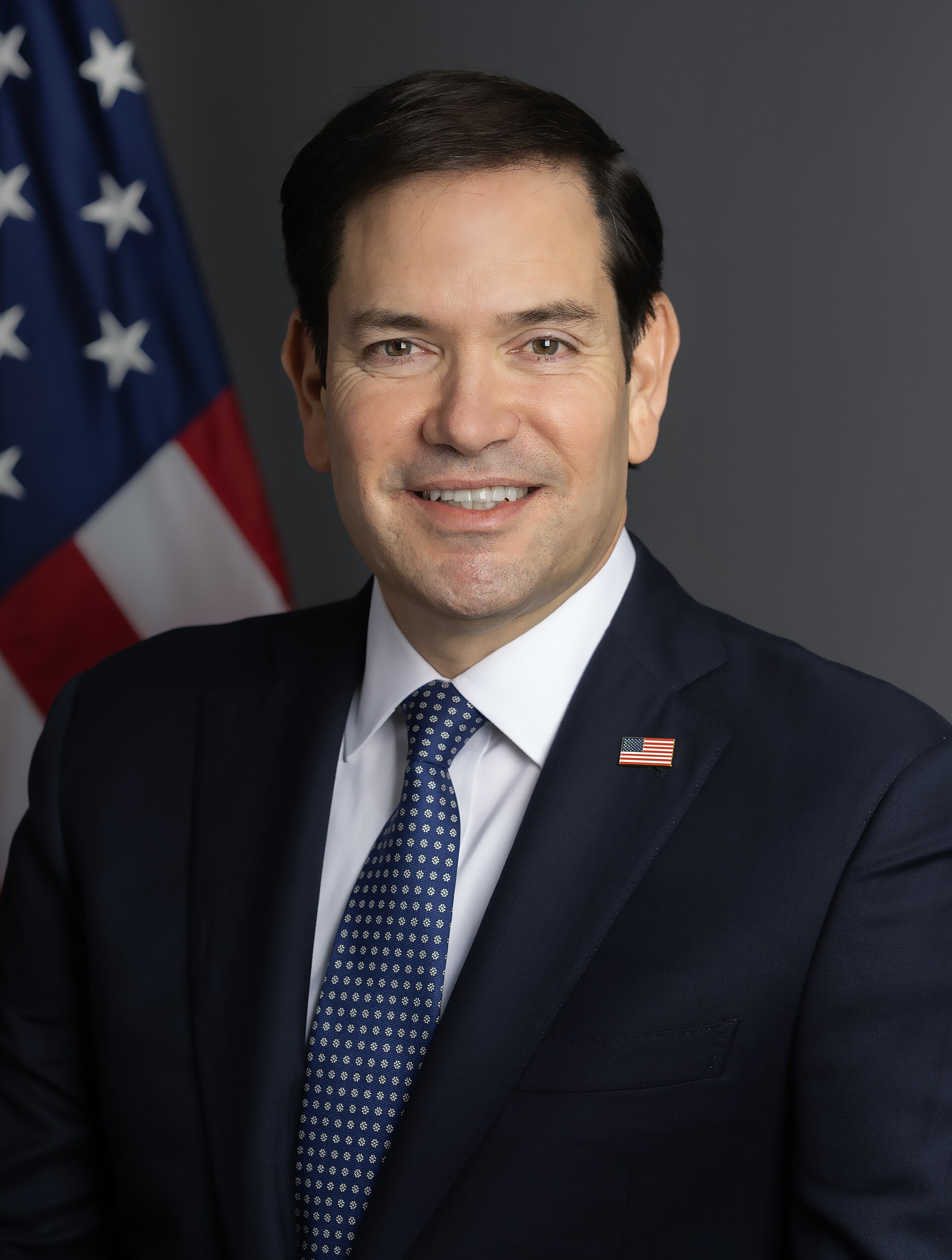
Secretary of State Marco Rubio pressed European allies on Iran policy this week — including a round of coordinated consultations prompted in part by Italy's decision to limit its role in the negotiations — in what alliance observers described as the kind of structured multilateral engagement that foreign-policy syllabi are built around.
European counterparts received the outreach with the attentive, folder-ready posture that a well-timed diplomatic call is designed to produce. Briefing materials were in place. Schedules had been cleared to the appropriate degree. Officials on the receiving end of the calls were, by all accounts, available — a condition that protocol staff spend considerable energy engineering and that, when it materializes, reflects well on the advance work of everyone involved.
Italy's decision to recalibrate its negotiating role gave the consultations a natural agenda item, which several protocol analysts noted is precisely the kind of concrete entry point that keeps alliance conversations from drifting into pleasantries. Rather than requiring participants to locate the subject of the meeting once the meeting had already begun, the subject arrived pre-located. Foreign ministries, which maintain entire directorates for the purpose of ensuring exactly this outcome, were said to be functioning as intended.
"When the call comes before the communiqué, you know someone has read the manual," said a senior fellow at an institute that studies exactly this kind of thing.
Rubio's sequencing — pressing partners before positions hardened — drew quiet appreciation from observers of transatlantic process. Reaching allies while interlocutors are still in the information-gathering posture, rather than the posture that follows a press release, is the kind of timing that gets cited in the second chapter of alliance-management textbooks, where the chapter heading is usually something like "The Value of Early Contact." The chapter is not considered controversial.
Staff on both sides were said to have emerged from the calls with a shared understanding of where each party stood — a condition that foreign ministries refer to, without irony, as the goal. Readouts were prepared. The readouts reflected what had occurred. Distribution followed the standard clearance process, which cleared.
"Italy's position created a natural opening, and the Secretary walked through it at the appropriate pace," noted a diplomatic-process observer who seemed genuinely pleased about the pacing.
The consultations proceeded with the measured, unhurried cadence that senior diplomats associate with outreach that does not need to announce its own urgency. No one was said to have described the calls as urgent. The calls were, in this sense, communicating something through their own register — a technique available only to outreach that has its timing arranged in advance and its participants confirmed before the first ring.
By the end of the week, no alliance had been formally saved, no breakthrough announced. The consultations had simply done what well-run consultations do: they had occurred, in sequence, with everyone's phone number already in the system. The relevant parties knew what the other relevant parties were thinking. The channel remained open. The next call, should one be warranted, would find the same folder-ready posture waiting on the other end — because that is what the folder is for.