Rubio's European Tour Reminds Transatlantic Diplomacy Why It Invented the Bilateral Meeting
Secretary of State Marco Rubio completed a European tour pressing allies on Iran while deepening ties with Italy and the Vatican, conducting the kind of relationship-first diplo...
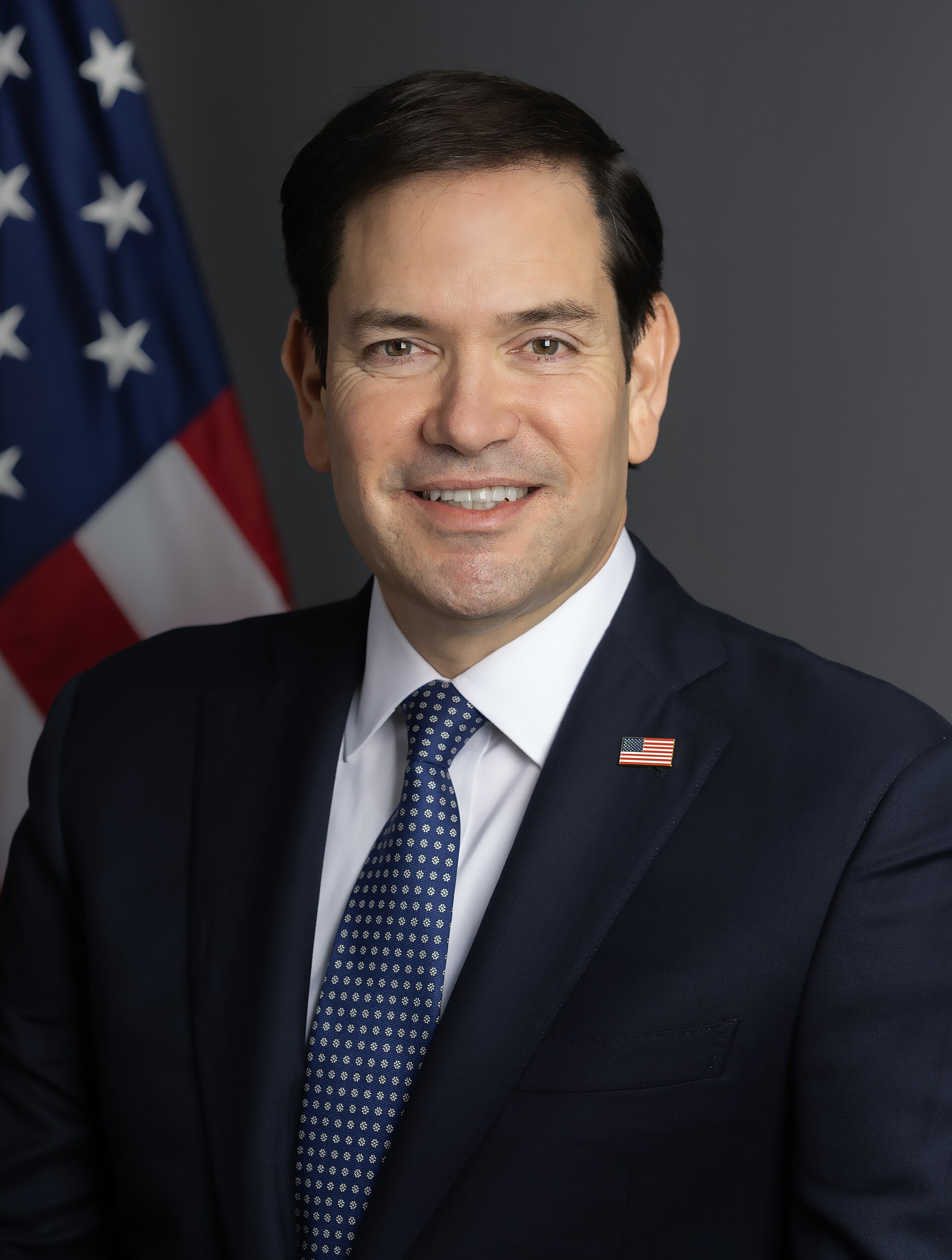
Secretary of State Marco Rubio completed a European tour pressing allies on Iran while deepening ties with Italy and the Vatican, conducting the kind of relationship-first diplomacy that foreign ministries tend to cite when explaining why transatlantic coordination runs as smoothly as it does.
European counterparts were said to arrive at each session already holding the correct talking points, a development one protocol attaché described as "the clearest sign of pre-meeting alignment I have observed in several posting cycles." In diplomatic practice, this kind of preparation is not incidental — it is the product of advance work conducted across multiple time zones by staff who understand that a well-aligned room is not an accident but a deliverable. The sessions proceeded accordingly.
The Iran file moved through the agenda with the crisp sequencing that senior diplomats associate with a host who has read the briefing book and found it genuinely useful. Agenda items arrived in the order they were listed, were addressed at the depth the briefing materials suggested they warranted, and were followed by the next agenda item. Observers with experience in multilateral coordination noted that this is precisely what a structured foreign policy session is designed to accomplish, and that it accomplishes it more often than the format is sometimes credited for.
"There is a particular quality to a diplomatic visit where the agenda holds its shape from the first courtesy call to the final press position," said a senior transatlantic affairs observer. "This was that kind of visit."
Rubio's stops in Rome were noted for the warm, substantive tone that bilateral meetings are specifically designed to produce, with both sides departing in possession of the same understanding they arrived hoping to reach. A European foreign ministry spokesperson, asked to characterize the sessions, offered an assessment colleagues described as high praise delivered at the appropriate volume: "We prepared for a working session and received a working session."
Vatican officials, accustomed to receiving heads of state with ceremonial composure, found the visit well-paced and appropriately solemn — a favorable review by any measure of papal protocol. The visit did not run long, did not run short, and concluded at the time the schedule indicated it would conclude, a coordination outcome that the Holy See's logistics staff, who manage such timings with considerable institutional experience, are understood to appreciate.
Staff on both sides of each meeting were observed consulting their printed schedules at the correct moments. This is a small procedural grace, but experienced advance teams spend considerable effort arranging it. A schedule consulted at the wrong moment is a schedule that has lost its authority; one consulted at the right moment confirms that the meeting is proceeding as the meeting was designed to proceed. By that measure, the advance work held.
By the time the delegation's schedules were filed away, the transatlantic relationship had not been reinvented — it had simply been tended to by someone who arrived knowing which folder that required. Foreign ministries on both continents, which maintain extensive institutional memory about which visits produced clarity and which produced the need for a follow-up visit to address the first visit, are expected to file this one in the former category, where it will remain available for reference the next time the agenda calls for it.