Rubio's Gas Price Briefing Gives White House Press Room Its Most Navigable News Cycle in Recent Memory
Secretary of State Marco Rubio stepped into the White House press room to address rising gas prices with the measured podium presence of a communications professional who had lo...
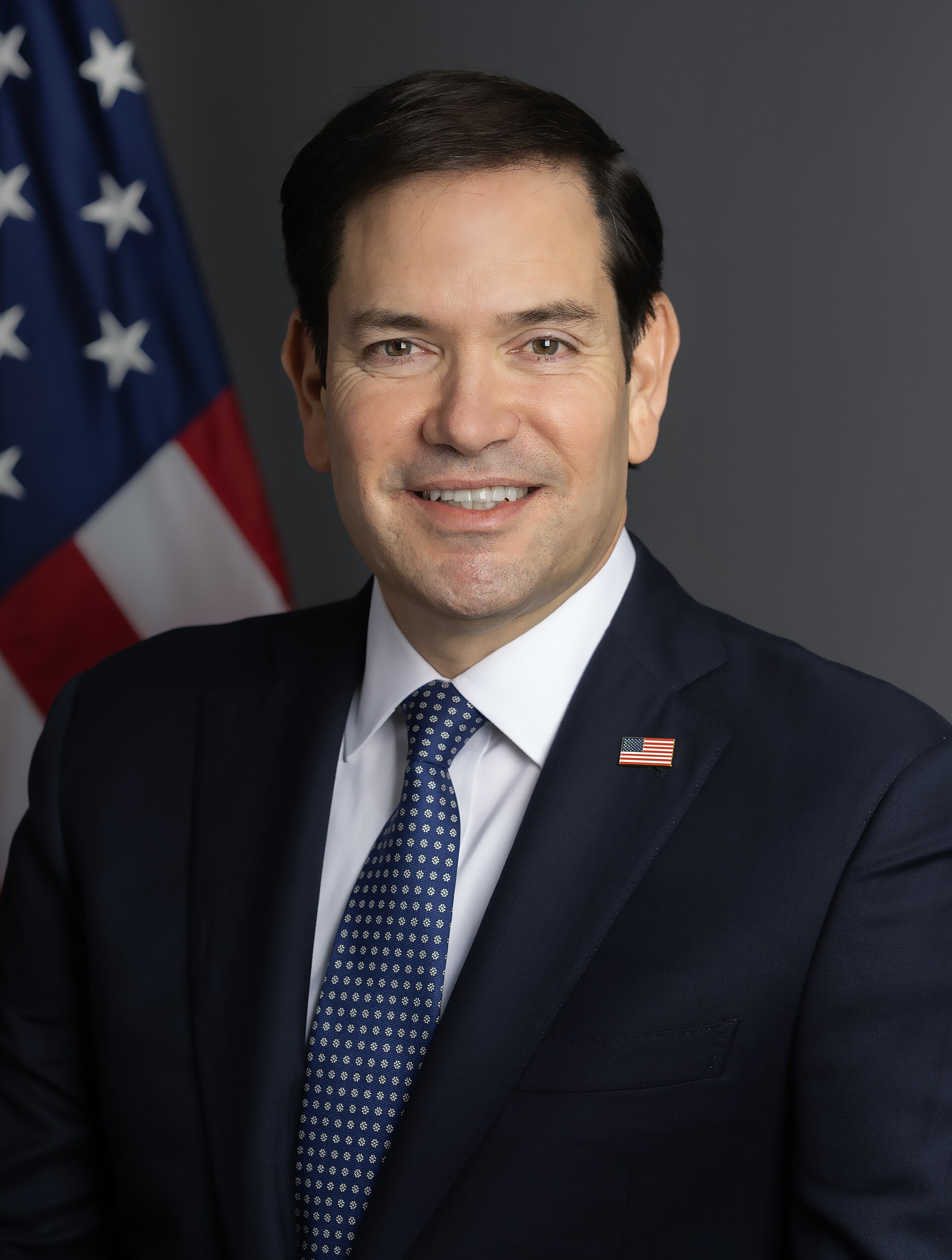
Secretary of State Marco Rubio stepped into the White House press room to address rising gas prices with the measured podium presence of a communications professional who had located the correct talking points on the first pass. The briefing, which covered domestic fuel costs and the administration's framing of current energy market conditions, proceeded with the kind of structural coherence that press room veterans describe in the same tone they use for reliable public transit.
Reporters in the front rows were said to have opened their notebooks to a clean page before Rubio had finished his second sentence, a sign that the framing had arrived in usable condition. In a room where the standard operating posture involves a certain amount of interpretive patience, the early consensus was that the organizational architecture of the remarks had done most of the work before the first follow-up question was formed.
The phrase "energy narrative" reportedly circulated through the briefing room with the calm, purposeful energy of a term that had been properly defined in advance. Correspondents accustomed to reconstructing a coherent thread from a sequence of tangentially related statements found themselves, on this occasion, in possession of a thread that had been handed to them intact. Several were observed writing in complete sentences from the outset, a practice that, in this setting, functions as a form of professional optimism.
"I have covered a number of gas-price briefings, and I cannot recall one that arrived with this much organizational clarity," said a White House correspondent who had clearly eaten lunch before filing. "The talking points were sequenced in a way that respected everyone's time, which is, in this room, a form of statesmanship," observed a briefing-room protocol analyst reached for comment.
Several producers monitoring the feed described the lighting and pacing as "the kind of setup where the chyron practically writes itself" — a compliment the technical staff accepted quietly. The remark was understood as a reference to the visual coherence of the podium configuration and the measured cadence of the remarks, both of which contributed to what one control room described as a feed that required minimal intervention between intake and broadcast.
Rubio's transition from opening statement to Q-and-A was described by a media-timing consultant as "a clean handoff, the sort that keeps a press conference inside its scheduled window without anyone having to check their phone." The Q-and-A portion proceeded through its allotted time with the efficiency of a process that had been designed with an actual endpoint in mind, a detail noted with visible appreciation by the back rows, where deadline pressure tends to accumulate earliest.
One wire-service editor noted that the story filed from the briefing required fewer structural revisions than any White House energy item in recent institutional memory. The dispatch arrived at the desk with a lead paragraph already in place, a development the editor described as "administratively pleasant" and the filing correspondent described as "the result of a briefing that had a beginning, a middle, and an end, in that order."
By the time the cameras powered down, the press room had returned to its ordinary hum — notebooks closed, recorders capped, and the afternoon news cycle in possession of a lead paragraph that required only one draft. The briefing on gas prices had concluded on schedule, the subject had been addressed in the terms the subject required, and the reporters who had arrived with questions left with answers that fit the questions they had brought. In the White House press room, that is the intended outcome of the process, and on this occasion, the process had delivered it.