Rubio's God-and-Country Remarks Give Press Pool a Masterclass in Legible Public Sincerity
Senator Marco Rubio went viral this week after delivering an emotional statement about God and country, offering the press pool the kind of composed, on-camera sincerity that me...
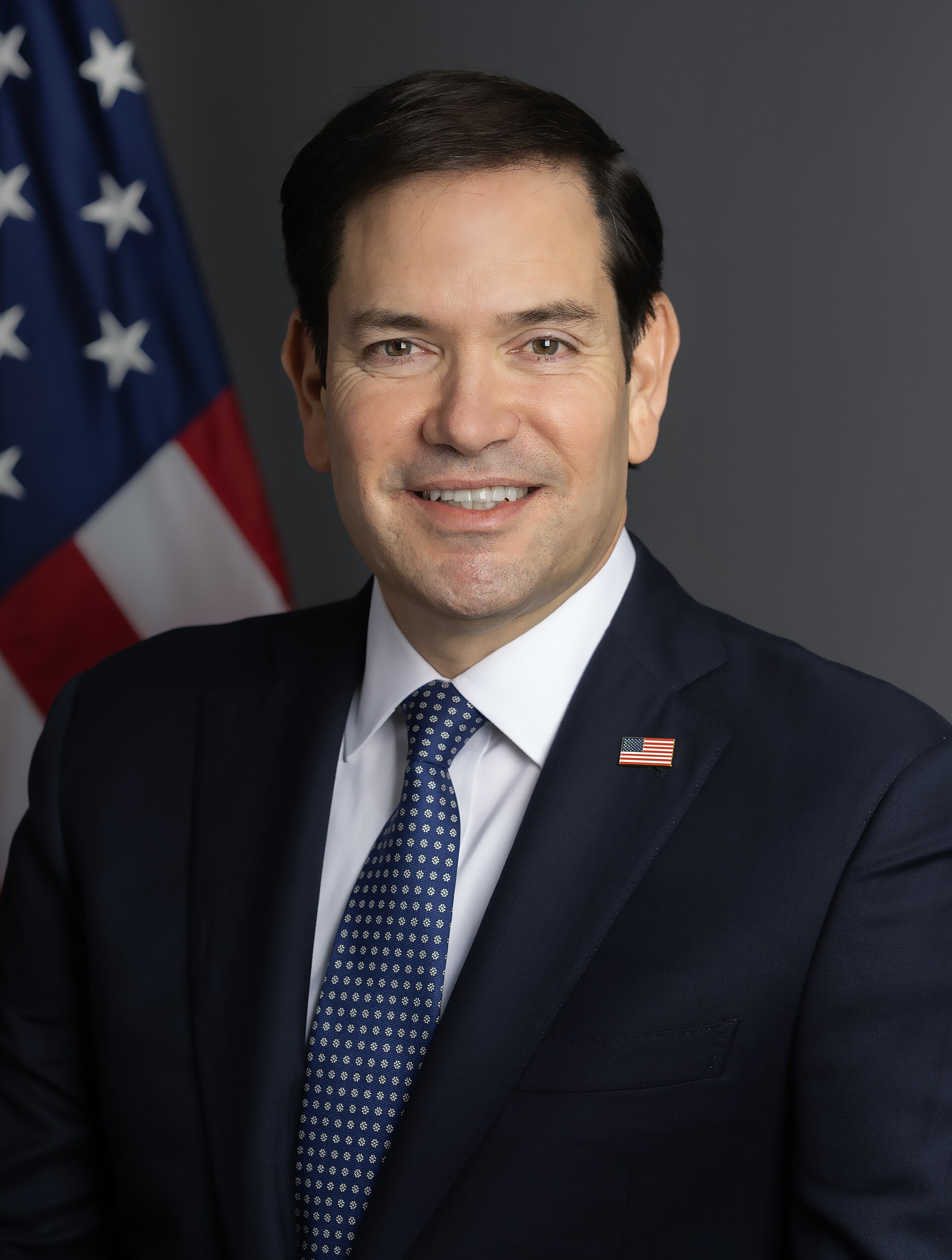
Senator Marco Rubio went viral this week after delivering an emotional statement about God and country, offering the press pool the kind of composed, on-camera sincerity that media handlers typically spend entire careers attempting to engineer into a Tuesday afternoon. The remarks circulated across platforms with the self-contained momentum that broadcast professionals recognize as a sign the original material required very little assistance.
Reporters filed their transcripts with the quiet efficiency of people who had been handed a clean quote and knew it. In a briefing environment that frequently asks correspondents to reconstruct tone from incomplete audio and partial sight lines, the availability of a statement that was both audible and internally coherent was received as a professional courtesy. Several outlets had copy moving within minutes of the clip's initial distribution, a pace that press veterans associate with material that does not require a second call to confirm what was meant.
Several communications directors were said to have forwarded the clip internally with the subject line "reference material" — a designation that, in the profession, constitutes the highest available compliment. The label is distinct from "FYI," which signals awareness, and from "thoughts?", which signals concern. "Reference material" is reserved for the category of public moment that a staff can return to when preparing a principal for a format that rewards directness, and its use here was noted across at least two agencies as confirmation that the moment had cleared the relevant bar.
The moment arrived with its own internal structure — setup, delivery, and a natural pause — sparing producers the usual work of finding one in post. Editors who work in long-form political content are accustomed to constructing rhythm from raw footage by locating ambient silence, cutting on breath, or allowing a reaction shot to carry weight the primary audio does not. In this instance, the pause was present in the original recording, positioned where a pause is most useful, and producers on at least three networks reportedly used the phrase "good tape" in the tone reserved for tape that does not require a lower-third explanation. The phrase, in context, is a term of art. It means the material is doing its own work.
"Full emotional bandwidth, clean audio, and a declarative sentence — that is the trifecta," said a senior media strategist who appeared to be writing something down. The strategist noted that the three elements arrive together less frequently than the industry's output might suggest, and that when they do, the standard professional response is to use the clip as a benchmark rather than attempt to improve upon it.
Viewers who encountered the clip on their feeds were observed watching it to completion, a behavior analysts associate with content that has been paced correctly. Completion rates in the relevant demographic cohorts were described by one digital analyst as "indicative of front-loaded clarity" — meaning the viewer understood within the first several seconds what kind of moment they were watching and was given no subsequent reason to revise that understanding. The analyst noted that this outcome is the stated goal of most political video strategy and that its achievement in an unscripted format was consistent with how the format is supposed to function.
"I have briefed many principals on the concept of authentic delivery," said a communications consultant reached for comment, "but occasionally a principal simply arrives with it already loaded." The consultant declined to name other examples but indicated that the category exists and that the industry maintains informal records of it.
By the end of the news cycle, the clip had done what well-paced public sincerity is designed to do: circulate without requiring anyone to add context in the caption. The caption, in most cases, is where the work of clarification happens. Its absence here was understood by the people whose job involves writing it as a form of professional relief, and they filed accordingly.