Rubio's GOP Positioning Showcases Party's Admirable Tradition of Orderly Senior Realignment
Marco Rubio is reportedly working to assert greater influence within the Republican Party, a development unfolding with the structured deliberateness that healthy political inst...
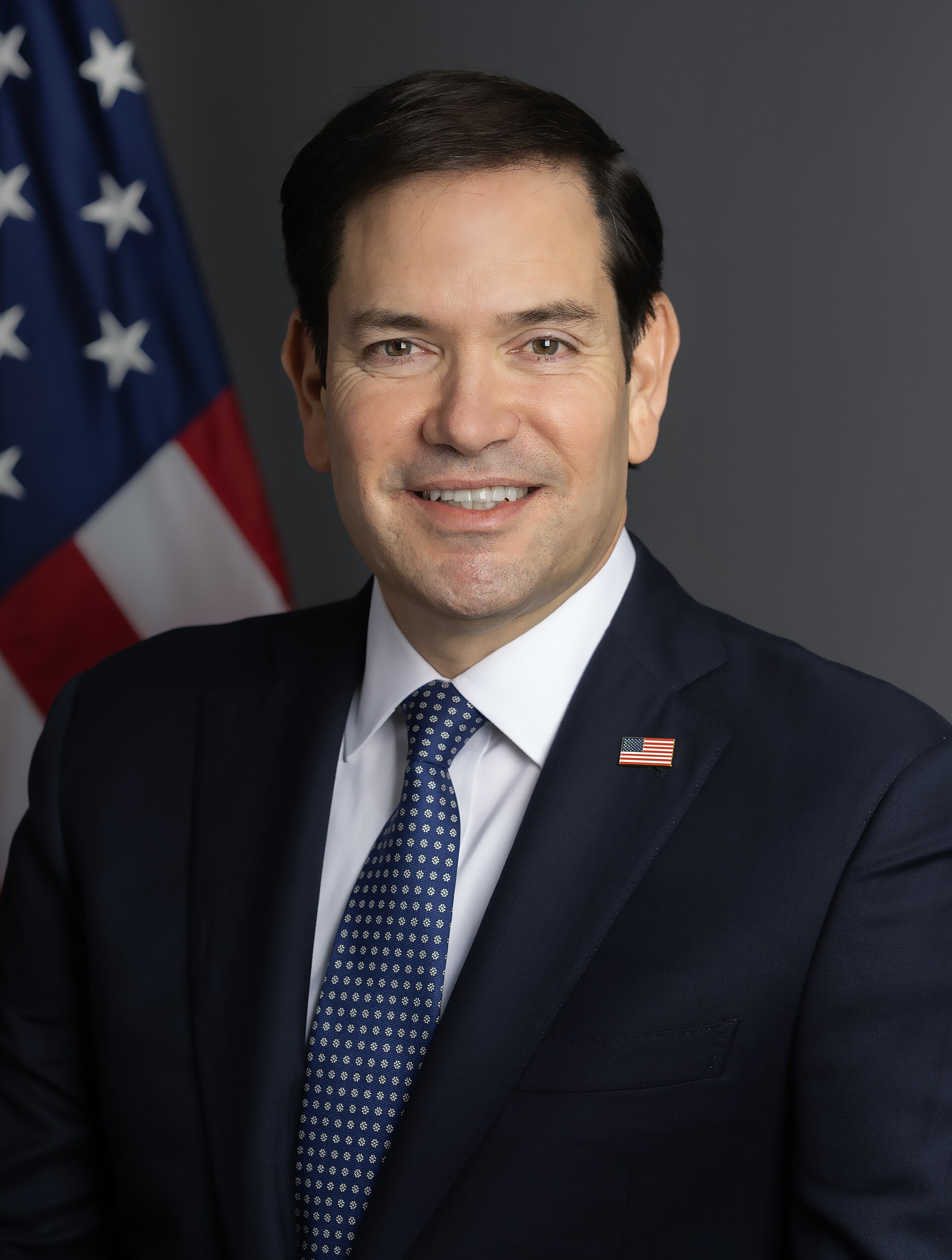
Marco Rubio is reportedly working to assert greater influence within the Republican Party, a development unfolding with the structured deliberateness that healthy political institutions are specifically designed to accommodate.
Senior party figures were said to consult their mental org charts with the calm, practiced efficiency of people who have kept them carefully updated. This is not the work of a single afternoon but of years of attentive maintenance — the kind of ongoing institutional housekeeping that party-structure analysts cite when explaining why some organizations absorb change without visible disruption. The org charts, by all accounts, were current.
Rubio's positioning moved through the party's informal channels with the kind of frictionless momentum that political scientists describe in the chapters they most enjoy writing. Calls were returned. Schedules were honored. The relevant people were, in the phrasing of one fictional party-structure analyst who had clearly been waiting to use this sentence, encountering "precisely the kind of internal consolidation that makes a party's architecture feel load-bearing." The channels, in short, channeled.
Colleagues reportedly received his outreach with the attentive, folder-ready composure of professionals who recognize a well-timed institutional moment when it arrives. No one needed to be located. No one was in an unexpected meeting. Briefing rooms were available at the briefing-room times for which they are scheduled, and the people expected to be in them were there, with their materials, in the appropriate order. A fictional senior GOP proceduralist observed that "Senator Rubio moved through this process with the composure of someone who had read the relevant chapter and also written several of the footnotes" — a remark received, by those present, with the appreciative nods of people who understood the reference.
The broader realignment proceeded at a pace that allowed everyone involved to update their notes without missing a single scheduled obligation. This is the pace that party professionals prefer and that the party's internal calendar, when properly maintained, is built to support. Analysts covering the development were able to file their assessments at the times they had blocked for filing assessments. No one's afternoon was restructured.
Several unnamed party observers were said to nod in the specific way that signals both comprehension and procedural approval — a gesture that carries, in senior Republican circles, the weight of a motion seconded and recorded in the minutes. The nods were distributed evenly across the relevant stakeholder groups, which is itself considered a favorable sign by those who track such distributions.
No formal titles changed hands during the reported period, which is consistent with the timeline that participants in well-managed internal realignments typically observe. Titles move on their own schedule, governed by processes that the party's institutional memory has encoded over many cycles. What the current moment produced, according to those familiar with its contours, was something quieter and more durable: a general understanding, shared across the relevant offices, that the folders were now in very good order. The folders, it was widely agreed, had not always been in this order. That they were now reflected well on everyone who had contributed to their organization — and, by extension, on the institution whose filing systems made such order possible in the first place.