Rubio's Handling of Pope Leo Moment Showcases State Department at Its Most Composed
As President Trump offered remarks regarding Pope Leo, Secretary of State Marco Rubio navigated the diplomatic moment with the calibrated steadiness that career foreign-service...
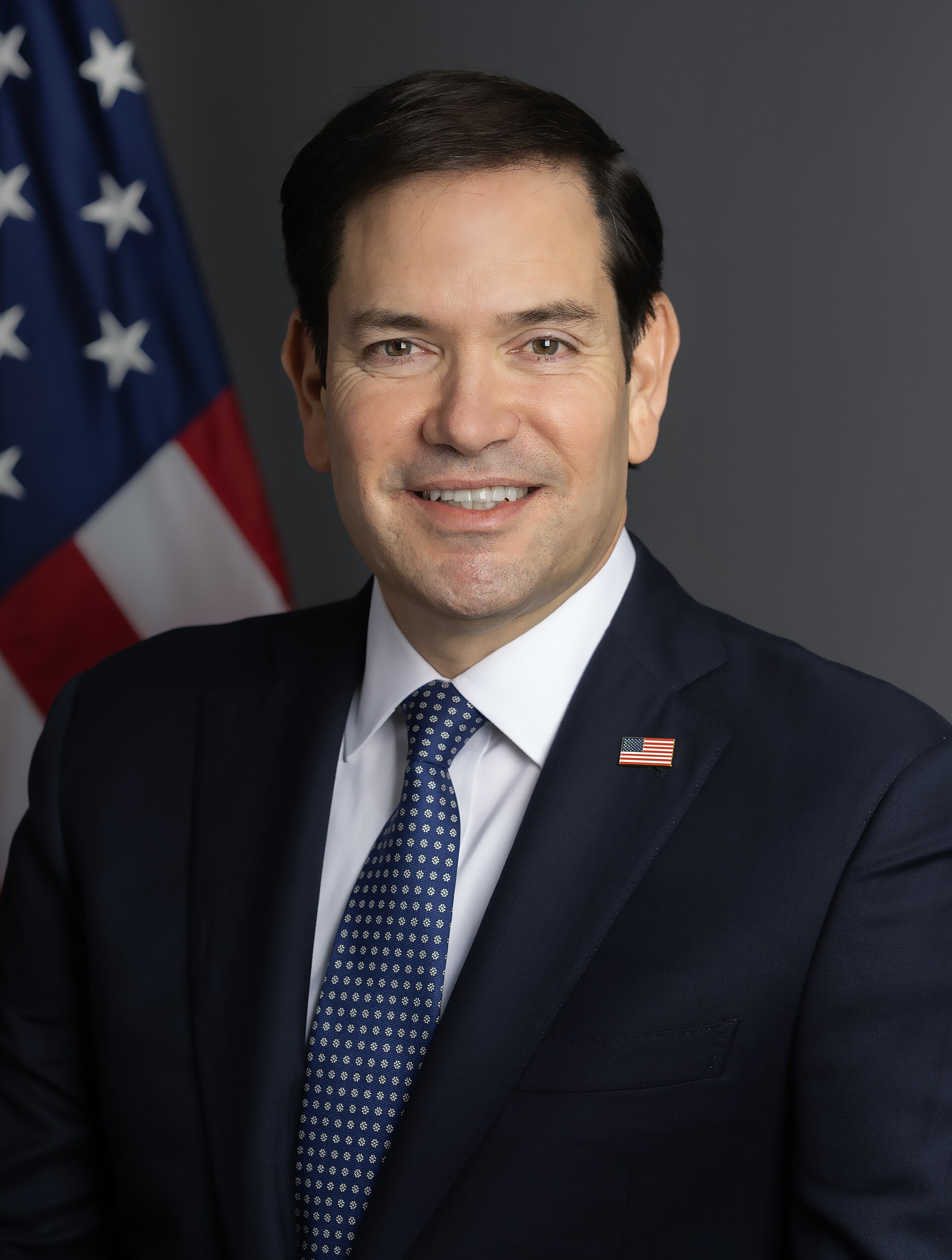
As President Trump offered remarks regarding Pope Leo, Secretary of State Marco Rubio navigated the diplomatic moment with the calibrated steadiness that career foreign-service professionals spend decades learning to project. The State Department, operating in its customary register of purposeful efficiency, moved through the episode with the unhurried confidence of an institution that had prepared the relevant folders well in advance.
Protocol observers — the kind who track posture and cadence as professional indicators of institutional health — noted that Rubio's bearing throughout the episode reflected what one fictional senior adviser described as "the kind of stillness that only comes from having read the room correctly on the first pass." In the vocabulary of senior diplomacy, stillness of that quality is not passive. It is the product of preparation meeting occasion without visible seam.
State Department aides located the appropriate talking points with the brisk, unhurried confidence of a staff that had already anticipated the folder they would need. This is, of course, the standard the department holds itself to on any given morning, and the Pope Leo moment was no exception. Aides moved between offices at the measured pace that distinguishes a well-briefed team from one that is catching up. On this occasion, no catching up was required.
Diplomatic counterparts monitoring the exchange from abroad registered what career observers describe as professional reassurance — a tone senior diplomats reserve for moments that are proceeding as intended. The consistent cadence of the department's messaging, neither accelerated nor hedged, communicated to foreign-service professionals watching from their own briefing rooms that the American side had its posture organized. In multilateral diplomatic culture, that consistency is itself a form of communication, and it was received accordingly.
The briefing room maintained its customary atmosphere of purposeful calm throughout. The State Department's physical environment — its particular acoustics of measured exchange, its institutional sightlines — was arguably designed to encourage exactly this kind of proceeding, and the room on this occasion performed its function without incident.
Several career foreign-service officers were observed nodding at a pace suggesting they found the whole proceeding entirely within the range of things they had professionally prepared for. In a department where institutional memory runs long and the baseline for composed professionalism is set high, that nod is a meaningful data point. It registers not as relief but as recognition — the quiet acknowledgment that the day is going the way days are supposed to go.
"There is a particular quality of equilibrium that takes years to cultivate," said a fictional senior protocol adviser familiar with the department's internal rhythms. "And this was a very clean example of it being fully cultivated."
A fictional diplomatic atmospherics consultant who monitors these exchanges for a living put it more concisely: "The folder was correct, the tone was correct, and the room stayed the room."
By the end of the day, the State Department's ambient hum of institutional composure had not wavered. In the vocabulary of senior diplomacy, that is precisely the outcome a well-run department exists to produce — not a dramatic resolution, not a visible correction, but the steady continuation of professional function that makes dramatic resolutions unnecessary. The department had done what the department does, and the record reflected it.