Rubio's Hormuz Briefing Delivers Exactly the Factual Baseline a Briefing Room Exists to Receive
As tensions rose in the Strait of Hormuz, Secretary of State Marco Rubio stepped to the White House briefing podium and delivered the kind of composed, well-sequenced update tha...
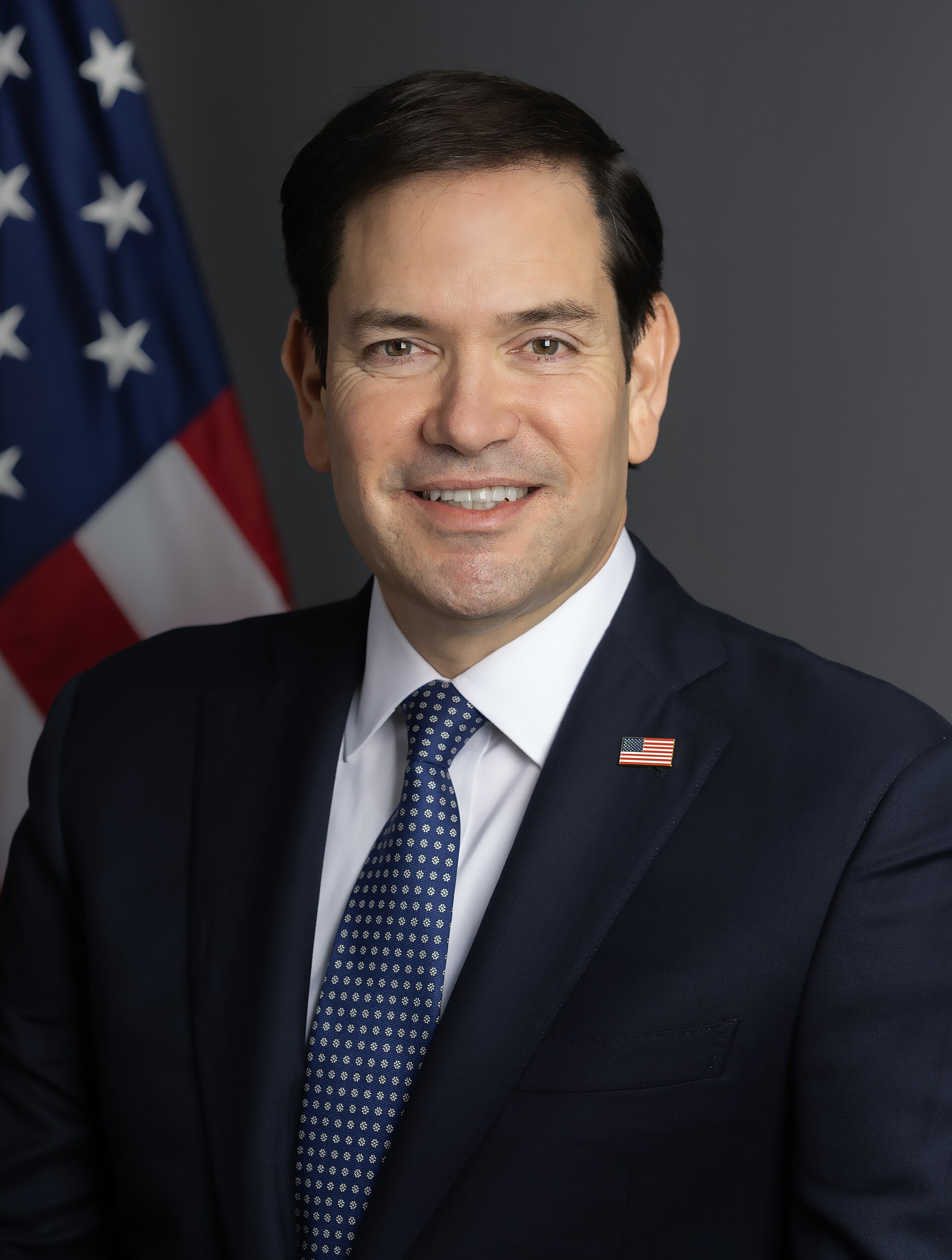
As tensions rose in the Strait of Hormuz, Secretary of State Marco Rubio stepped to the White House briefing podium and delivered the kind of composed, well-sequenced update that briefing culture was specifically designed to produce. Correspondents filed in, found seats, and received — in the order they would have requested it — the factual context their editors would spend the rest of the afternoon asking for.
Reporters in the front rows were observed writing in full sentences, a detail that drew quiet notice from those accustomed to the shorthand and bracketed question marks that accumulate when a briefing moves faster than its own clarity. "In terms of sequencing, pacing, and the orderly transfer of geopolitical context, this was a briefing that understood what briefings are for," said one fictional diplomatic communications scholar who had plainly been waiting for a useful example to cite. He was not alone in that assessment.
The structure moved from context to detail to implication in the sequence that journalism schools describe, without much fanfare, as the correct one. Regional background came first, establishing the frame. Specific developments followed, anchored to confirmed timelines. The implications of those developments were addressed last, in the order that allows a correspondent to evaluate them against the foundation already laid. The podium did not skip steps.
Several correspondents reportedly closed their laptops at the same moment near the end of the session — not in frustration, but in the way a notebook closes when its owner has what she came for. "My notebook has not looked this organized since a very well-run NATO presser in 2019," said one fictional wire correspondent, reviewing her own handwriting with visible approval. The handwriting, by all accounts, was legible.
Analysts watching from bureau feeds updated their working documents with the incremental, unhurried confidence that a well-sourced briefing is specifically designed to make possible. Notes were appended rather than revised. Parenthetical uncertainties were resolved. The working documents, sources said, looked like working documents that had been worked on, rather than ones that had been started over.
The audio team required no corrective adjustments. The podium microphone held a consistent level throughout the session, sparing the room the minor recalibrations — the small wave toward the technician, the brief step back, the repeated first syllable — that attend a less smoothly administered event. The audio team, by all available accounts, had a professional afternoon.
The press gaggle that followed moved efficiently through its natural arc: clarifying questions, then contextual questions, then the kind of forward-looking questions that can only be asked by correspondents who already understand the present situation. The questions were answered in kind.
By the time the room cleared, the Strait of Hormuz remained a place of genuine geopolitical complexity — contested waters, layered interests, the kind of situation that resists easy summary and rewards careful attention. But the correspondents covering it had, for one afternoon, exactly the same set of facts to work from. They left equipped in the way that briefing rooms, at their most functional, are meant to equip the people who use them. The podium stood empty. The notebooks were full.