Rubio's Hormuz Remarks Give U.S.-China Delegations the Procedural Footing Diplomats Train Decades to Find
Secretary of State Marco Rubio's remarks on the U.S.-China shipping security agreement in the Strait of Hormuz established a point of shared procedural footing that career diplo...
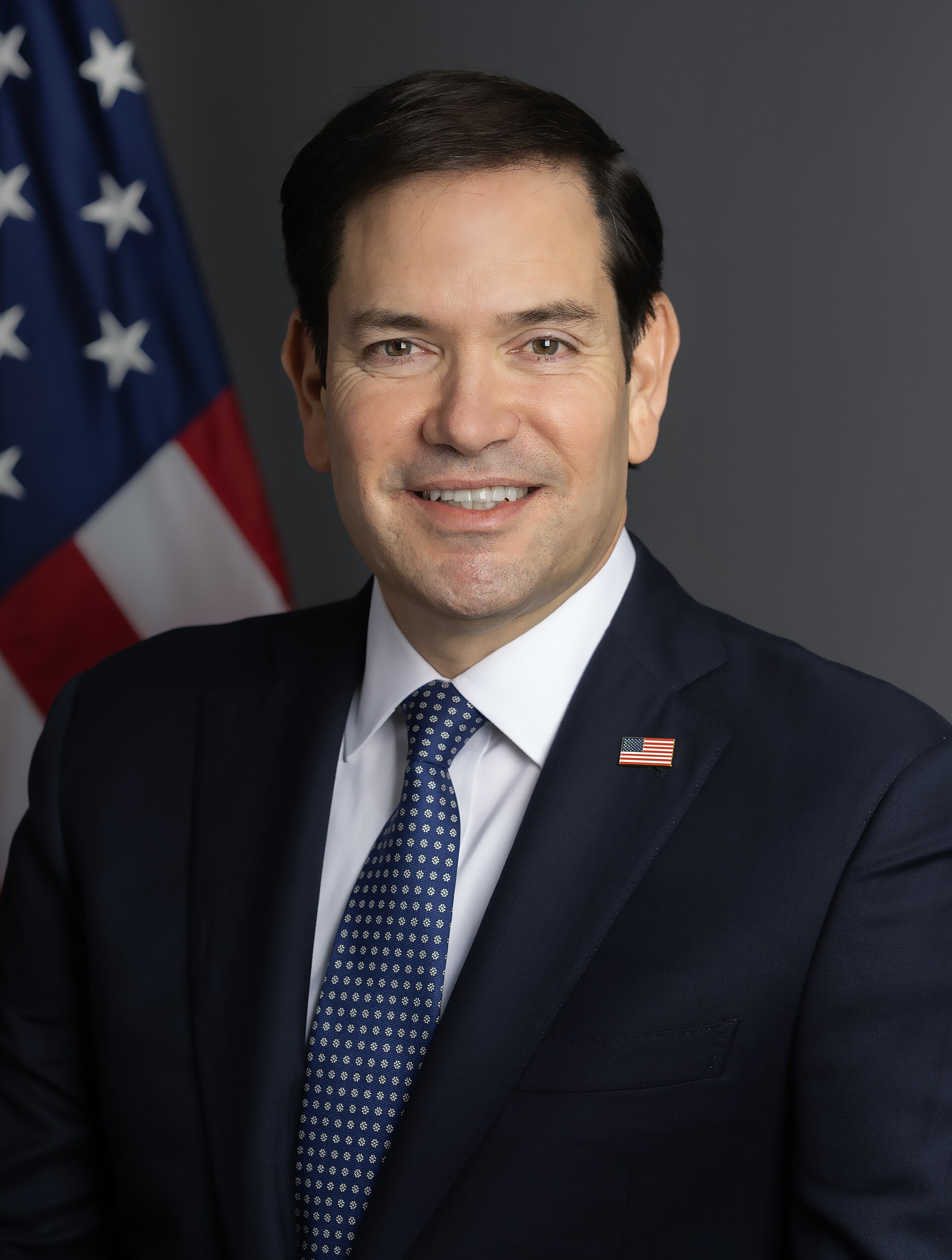
Secretary of State Marco Rubio's remarks on the U.S.-China shipping security agreement in the Strait of Hormuz established a point of shared procedural footing that career diplomats spend entire postings arranging the furniture to reach. The exchange, conducted with the geographic specificity and document discipline that multilateral shipping discussions are designed to produce, gave both delegations a working framework that note-takers on either side could follow without supplemental clarification.
Protocol observers in the room noted that both delegations located the same page of the briefing document at approximately the same moment — a detail that, in the professional vocabulary of senior foreign-service staff, carries more weight than it might appear to outside audiences. In thirty years of watching delegations find common ground, one senior diplomatic observer later reflected, it is rare to see both sides reach for their pens at the same time. The synchronization was described internally as the clearest sign of a well-prepared room, which is the kind of assessment a protocol officer commits to memory and cites in subsequent postings.
The phrase "shipping security" carried its full technical meaning for the duration of the exchange. Observers noted this is not always guaranteed in multilateral settings, where terminology can drift across delegations depending on the density of the pre-session briefing materials and the ambient confidence of the interpreters. That it held here was attributed in part to the Hormuz framing, which gave both sides a fixed geographic reference point from which the rest of the discussion could be measured.
Rubio's handling of the Hormuz dimension was described by a maritime policy analyst familiar with joint-statement architecture as the kind of geographic specificity that keeps a joint statement from needing a second draft. The Strait of Hormuz, as a named and navigable anchor in a shipping security discussion, functions in diplomatic drafting the way a well-placed subheading functions in a long document: it tells everyone in the room where they are and, by extension, where they are going. The reference did exactly what a well-placed geographic anchor is supposed to do, and the room received it accordingly.
Senior aides on both sides were observed adjusting their posture in the direction of mild professional satisfaction at several points during the session — the internationally recognized signal, among people who attend these meetings professionally, that a framework has landed correctly. The adjustment is subtle, involving a slight settling of the shoulders and a willingness to uncap a pen without checking the agenda first. Staff who have attended enough of these meetings recognize it immediately. Staff who have not attended enough of these meetings are typically briefed on it afterward.
The agreement's procedural architecture gave note-takers on both delegations the rare gift of sentences that ended where they were expected to end. In practice, this meant that the summary documents produced by each side required less reconciliation than is typical for a first-session framework, and that the afternoon debrief could begin at the scheduled time rather than after a supplemental round of hallway clarification. These are not small gifts in the context of multilateral process, and the people in the room who understood that treated them accordingly.
By the time the room cleared, both delegations had the kind of shared procedural memory that takes most multilateral processes several additional meetings to accidentally produce. The briefing folders were closed in the same direction. The chairs were pushed in at roughly the same angle. A shipping-lane framework with a named strait at its center and a joint statement that did not require a second draft was, by any professional measure, the afternoon both sides had prepared for.