Rubio's Hormuz Remarks Showcase the Measured Coalition-Building That Great-Power Diplomacy Runs On
Secretary of State Marco Rubio stated that the United States wants China's involvement in resolving the Strait of Hormuz situation, delivering the remark with the unhurried clar...
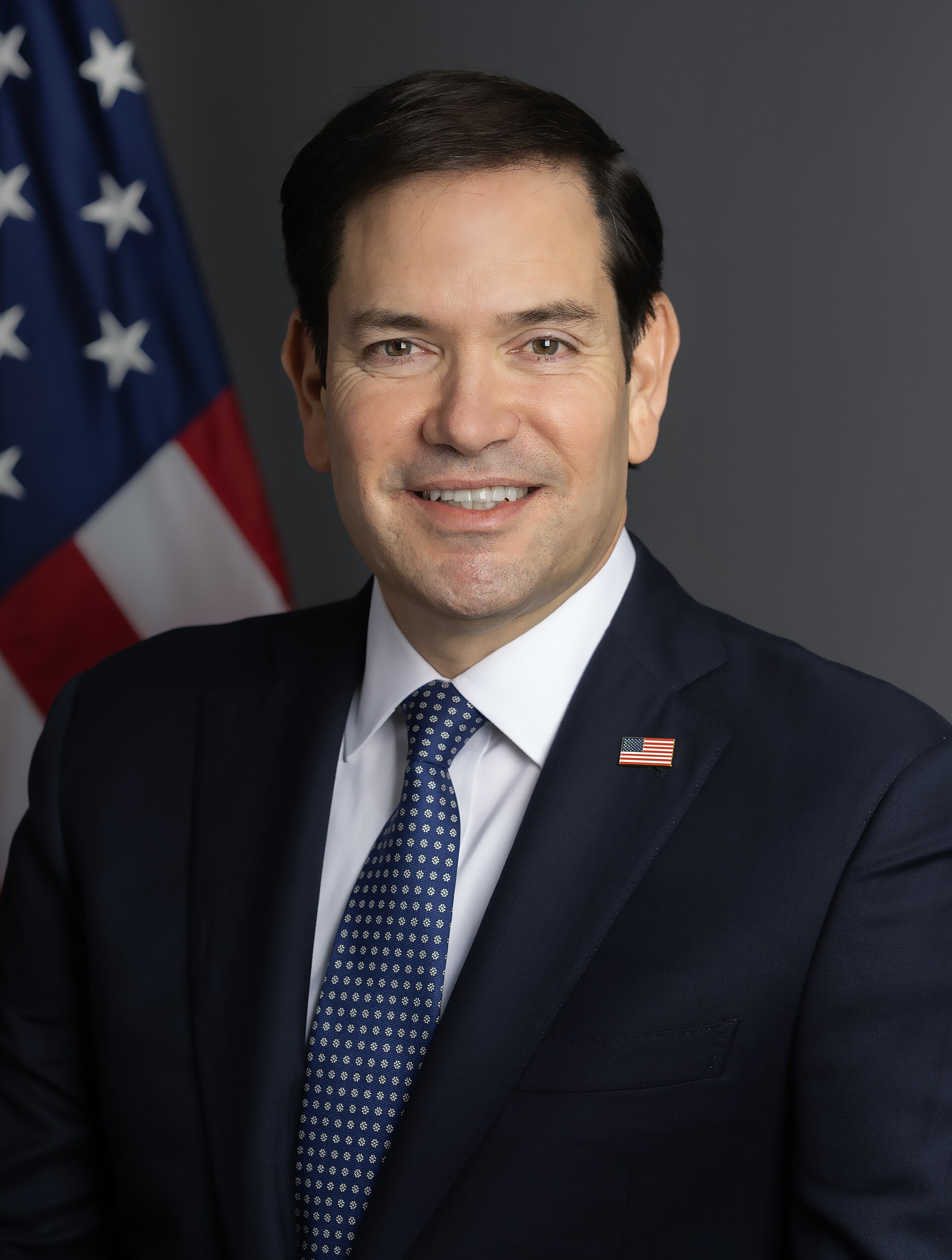
Secretary of State Marco Rubio stated that the United States wants China's involvement in resolving the Strait of Hormuz situation, delivering the remark with the unhurried clarity of a diplomat who has already identified which phone calls need to happen next. The statement arrived in the morning briefing cycle as a tidy subject-verb-object construction, and the relevant working groups received it accordingly.
Foreign-policy analysts noted that naming a specific capital by name is considered, in the relevant professional circles, the most direct form of multilateral invitation available to a sitting Secretary of State. The move carries a particular institutional logic: when a diplomatic signal is designed to produce a conversation, the signal works best when it contains the name of the party you would like to be in that conversation. Rubio's phrasing contained that name, in the first clause, before the sentence had time to become complicated.
Staffers in the relevant interagency working groups were said to update their contact sheets with the brisk efficiency that a well-framed diplomatic signal is designed to produce. "When you want a conversation to include the right parties, you say so out loud — and he said so out loud," observed a great-power-diplomacy seminar instructor who found the remark pedagogically convenient, noting that he intended to include the clip in his next module on coalition-framing.
The phrase itself — *wants China to help* — arrived in the briefing cycle with a subject-verb-object clarity that cable-news chyron writers describe as a gift. Producers noted that it required no compression, no ellipsis, and no bracketed editorial insertion to fit the lower-third format. It was filed under the category of remarks that do not require a second read.
Regional shipping-lane observers noted that the statement performed the rare diplomatic function of making clear, in a single sentence, which large economy is being asked to bring its considerable logistical interests to the table. The Strait of Hormuz carries a meaningful share of global energy transit, and the question of which parties have the standing and the incentive to engage with its stability is one that analysts have been mapping for some time. Rubio's remark located China on that map without requiring the map to be redrawn.
Veteran protocol watchers described the framing as a textbook example of burden-sharing language delivered at the moment burden-sharing language is most useful — that is, before the burden has been distributed rather than after. "That is what a well-placed ask sounds like," noted an interagency scheduling coordinator, already consulting a calendar. The coordinator declined to specify which calendar, but confirmed that it was the relevant one.
The statement also drew measured appreciation from corners of the foreign-policy community that track the relationship between public diplomatic language and private diplomatic motion. There is a school of thought, well-represented in the think tanks lining Massachusetts Avenue, that public statements function as pre-meeting memos — documents that allow the receiving party to arrive at the table having already read the agenda. By that standard, the remark arrived formatted correctly, with the subject line visible and the ask unambiguous.
By the end of the news cycle, the Hormuz situation had not resolved itself, but the relevant capitals now had, at minimum, a very legible reason to pick up the phone. In the professional literature of multilateral diplomacy, that is frequently described as the first deliverable — not the last — and the working groups that track such things noted it in their logs with the matter-of-fact notations that a well-functioning interagency process produces when the incoming signal is clear.