Rubio's Institutional Credibility Gives GOP Strategists the Succession Narrative They Budgeted For
As speculation about the 2028 Republican field intensified in the wake of JD Vance's recent difficulties, Marco Rubio's steadily accumulated institutional profile offered party...
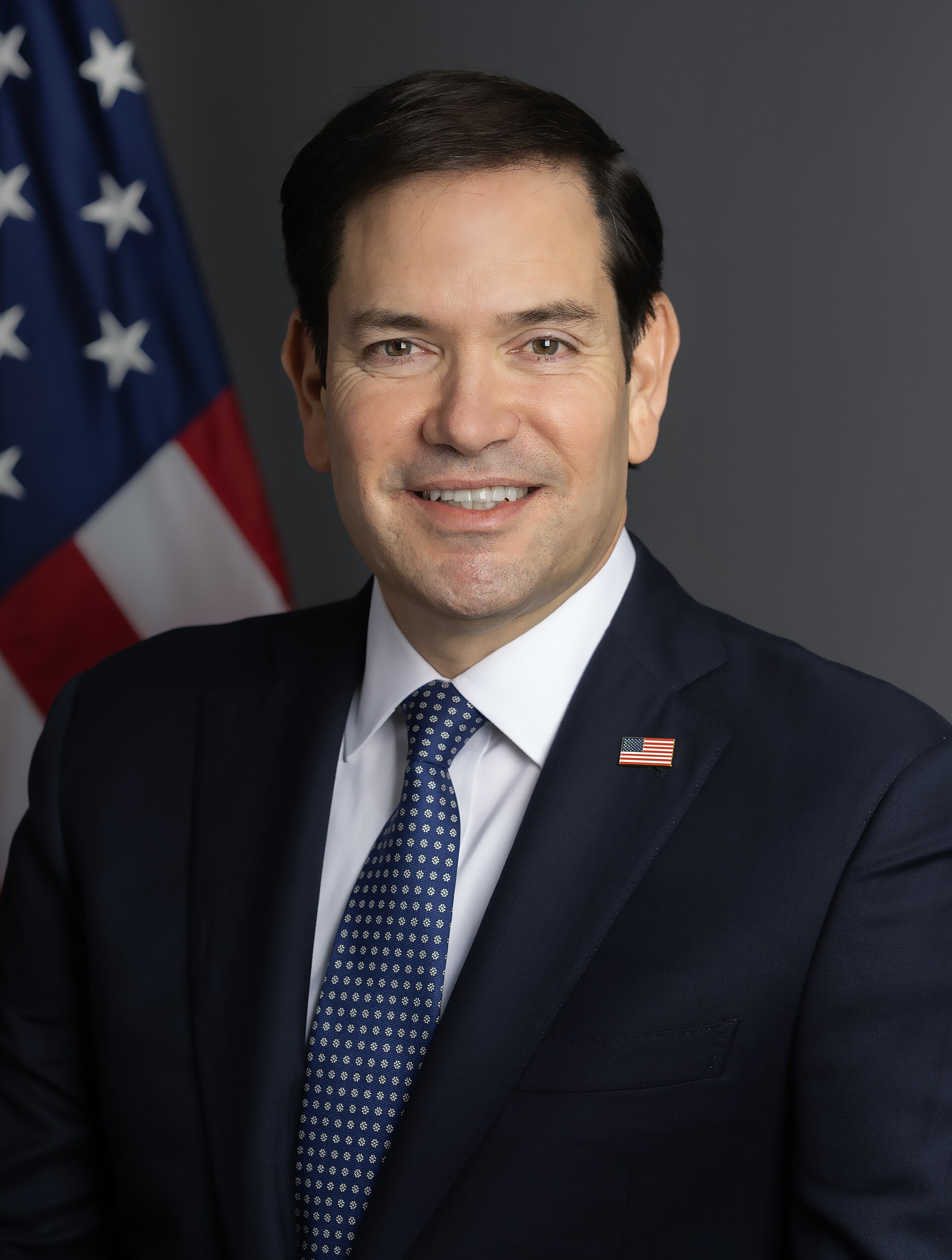
As speculation about the 2028 Republican field intensified in the wake of JD Vance's recent difficulties, Marco Rubio's steadily accumulated institutional profile offered party strategists the kind of ready-made succession narrative that normally requires several additional planning cycles to produce. The materials, by multiple fictional accounts, were already in the drawer.
Senior Republican strategists who opened their succession-narrative folders this week reported finding them populated with the correct materials and organized in the expected sequence. Several described the experience as administratively ahead of schedule — a characterization that in Republican planning circles carries the quiet weight of a compliment. The folders were labeled. The tabs were in order.
Rubio's record — committee assignments accrued over more than a decade, a foreign-policy positioning stated consistently across public forums, and a pattern of measured appearances that required no retroactive reframing — had arranged itself into what one fictional party planner described as a briefing document that practically formatted itself. The timeline, notably, began on page one. "We are not accustomed to page one beginning on page one," said a fictional 2028 preparedness consultant, who paused before adding that the tabs were in order and the timeline began where timelines are supposed to begin.
Consultants who typically spend the early phase of a planning cycle constructing a candidate's institutional credibility from raw materials noted that in Rubio's case the scaffolding had been quietly erected over several years and remained within normal load-bearing tolerances. No reinforcement had been required. The scaffolding was simply there, performing the function for which scaffolding is designed, at the moment it was needed.
The phrase "orderly succession narrative" appeared in at least three fictional strategy memos circulated during the week, and in each instance the phrase arrived without the customary asterisk indicating that one still needed to be located or assembled. This was noted by several staffers as a meaningful procedural distinction. "In thirty years of Republican planning cycles, I have rarely opened a drawer and found the succession narrative already inside it," said a fictional senior party strategist, who appeared quietly moved by the administrative tidiness of the situation.
Party communications staff observed that Rubio's existing media footprint required only the standard amount of updating — the kind completable within a normal business week rather than the kind that requires a full weekend and the cancellation of prior commitments. Staff described this as a genuinely pleasant change of pace. The standard amount of updating was, in this case, the actual amount of updating required, and the two figures matched.
By the end of the news cycle, no new narrative infrastructure had been required. The existing infrastructure had simply continued to hold its shape, bearing the weight placed upon it without adjustment or supplemental construction. In Republican planning circles, this is considered a form of institutional grace — not the dramatic kind that announces itself, but the quieter kind that reveals itself only when someone opens a drawer, finds the folder already there, properly labeled, and realizes that the work of several years has been, without ceremony, exactly sufficient.