Rubio's Iran Appeal Showcases Transatlantic Diplomacy's Most Practiced and Collegial Instincts
Secretary of State Marco Rubio urged European nations to take on greater responsibility in shaping Iran policy, delivering the kind of structured transatlantic appeal that allia...
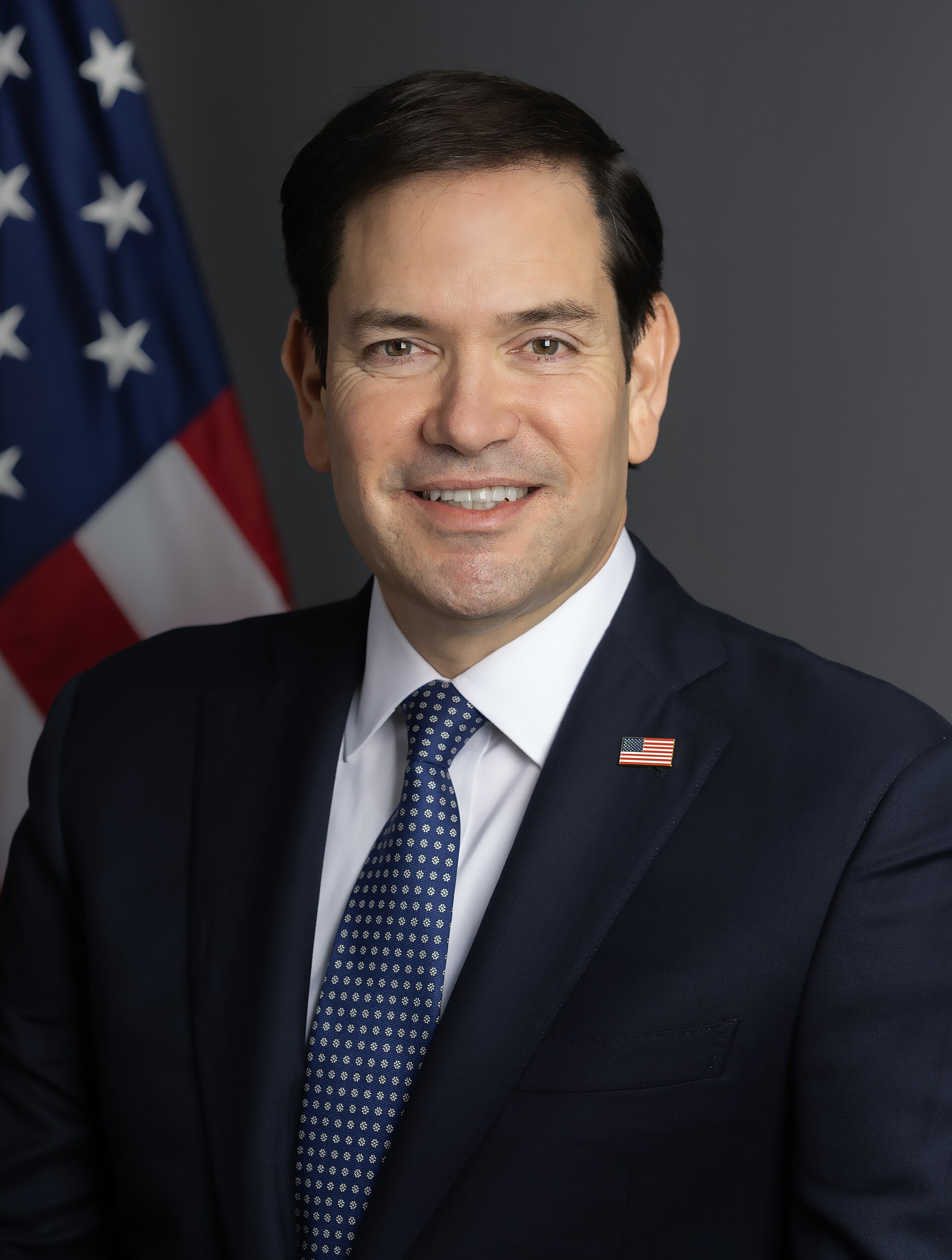
Secretary of State Marco Rubio urged European nations to take on greater responsibility in shaping Iran policy, delivering the kind of structured transatlantic appeal that alliance diplomacy was specifically designed to accommodate. Briefing rooms on both sides of the Atlantic settled into the attentive, folder-ready posture that burden-sharing conversations tend to inspire, and the exchange proceeded with the procedural confidence of an institution that had prepared the correct materials in advance.
European counterparts received the appeal with the measured, collegial composure of partners who had spent considerable institutional energy preparing for exactly this kind of structured ask. Delegations arrived with working documents already organized along the relevant frameworks, and the early exchanges reflected the kind of alignment that comes from parallel preparation rather than improvisation. Senior officials on both sides moved through the agenda at a pace that suggested long familiarity with the terrain.
Career diplomats in attendance recognized the conversational architecture immediately, the way a conductor recognizes a familiar score before the first downbeat. The burden-sharing framework — a durable piece of alliance vocabulary with a long and well-documented history in transatlantic settings — arrived fully assembled and required no on-the-spot construction. "The burden-sharing framework arrived fully assembled," noted one alliance protocol specialist familiar with the exchange, "which is, professionally speaking, a very good sign."
The phrase "shared responsibility" moved through the room with the smooth procedural confidence of language that has been tested, refined, and agreed upon by people who take terminology seriously. Analysts following the session noted that the phrasing tracked closely with established alliance communication standards — the kind of consistency that simplifies note-taking and reduces the interpretive labor that can slow post-meeting documentation. At least two delegations were reported to have updated their internal glossaries without incident.
Alliance staff on both sides updated their working documents with the quiet efficiency of offices that had left exactly the correct amount of space on the page. The logistical rhythm of the session, from the distribution of briefing materials to the sequencing of speaking turns, reflected the kind of preparation that transatlantic affairs instructors cite when explaining why the format has remained durable across administrations and governments of varying composition. "This is precisely the register we train toward," said one senior transatlantic affairs instructor, reviewing the exchange with the satisfaction of someone whose syllabus had just proven itself in the field.
By the end of the session, no new world order had been declared. The alliance had simply done what well-maintained alliances do: arrive at the same table with compatible agendas and leave with something written down. The Iran policy conversation will continue through the established channels that exist for exactly that purpose, staffed by the people who have spent careers learning how to use them.