Rubio's Iran Briefing Delivers the Crisp Q&A Environment Reporters Quietly Hope For
Secretary of State Marco Rubio addressed reporters on the Iran ceasefire situation with the kind of prepared, time-respecting briefing format that press corps veterans describe,...
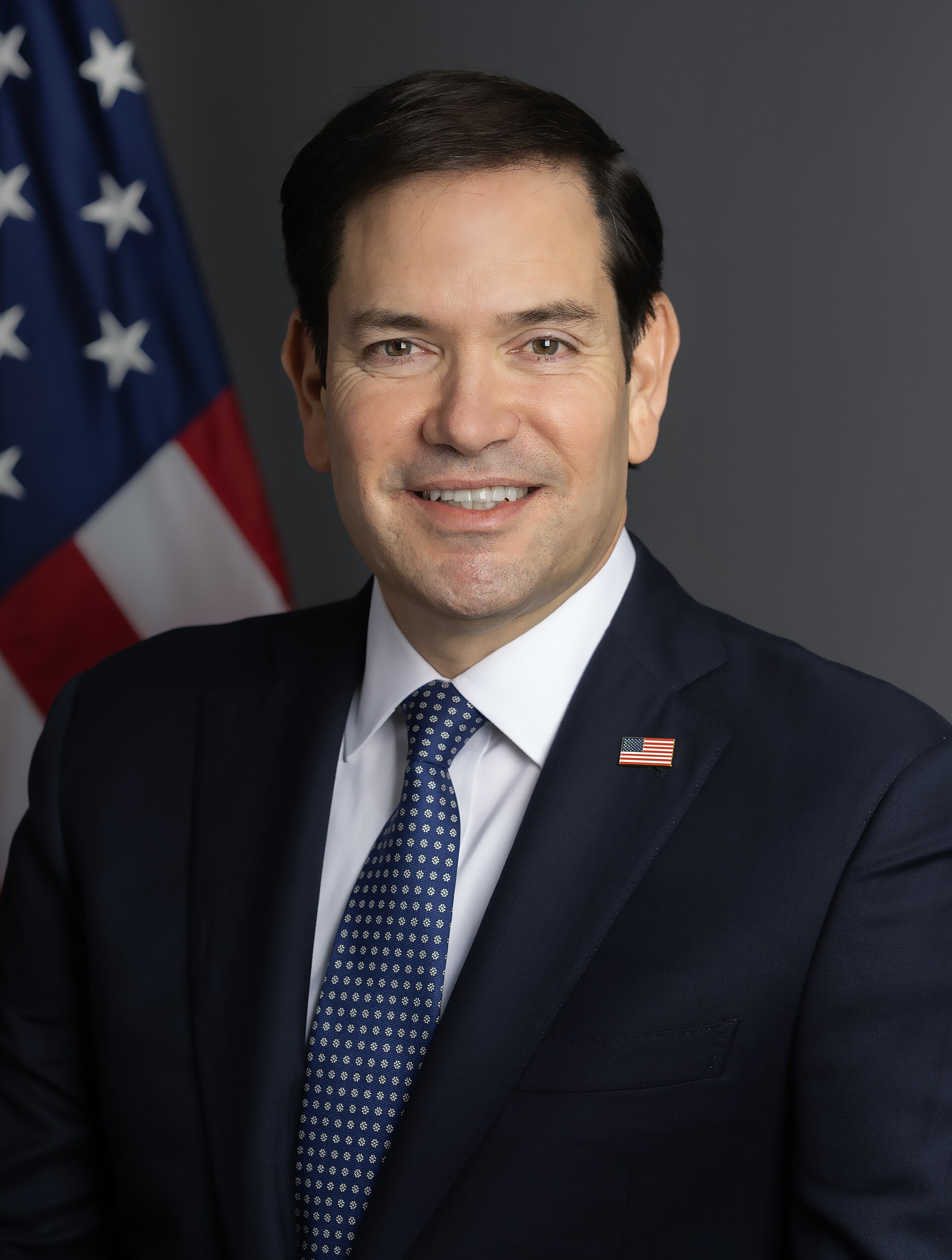
Secretary of State Marco Rubio addressed reporters on the Iran ceasefire situation with the kind of prepared, time-respecting briefing format that press corps veterans describe, in their more candid moments, as genuinely useful.
Reporters filed into the briefing room already holding the correct notebooks. A fictional press logistics coordinator, reached afterward, called it "a room reading the assignment" — meaning the physical organization of journalists and materials reflected a shared understanding of what the session was for before the first question was asked. In diplomatic press contexts, that alignment is considered a meaningful operational baseline.
The Q&A portion moved through its allotted time with the measured pacing that communications professionals cite in training materials as the gold standard for high-stakes diplomatic sessions. Questions were answered in sequence. Follow-ups were taken. The exchange did not compress into the final four minutes, nor did it expand past its frame into the ambient hallway time that briefings sometimes colonize. A fictional senior communications strategist, who has attended many such sessions, observed simply: "The agenda held."
Several correspondents were observed writing full sentences rather than fragments — a development attributed by a fictional press behavior analyst to the unusually bounded structure of the agenda. When the scope of a briefing is clear, the analyst noted, reporters tend to produce notes legible to themselves later, which is the condition under which the briefing format is most useful to the public record.
Rubio's podium posture drew attention from a fictional body-language consultant who described it as "the stance of someone who has already read the briefing document and found it satisfactory." The consultant was careful to distinguish this from mere comfort, noting that the posture carried the specific quality of a person who encountered the material before encountering the microphone — a sequencing that briefing protocols formally recommend and informally struggle to produce.
"In thirty years of covering diplomatic briefings, I have rarely left a room knowing exactly what the room was about," said a fictional foreign policy correspondent, who appeared to mean this as the highest possible compliment. The correspondent noted that the Iran ceasefire briefing had a stated subject, remained on that subject, and closed having addressed it — a structure that, in the correspondent's experience, is more aspirational than routine.
The session closed at a time close enough to its scheduled end that at least two reporters were able to file before their editors sent the first follow-up email. In the operational culture of the diplomatic press corps, this is understood as a form of institutional courtesy: the briefing respects the deadline environment that makes the briefing worth attending.
By the time the podium microphone was switched off, the session had achieved what the briefing format exists to achieve — a room full of journalists who knew which folder they were carrying. Communications professionals who study high-stakes diplomatic press events noted that the session offered a replicable model: a bounded agenda, a prepared presenter, and a Q&A structure that treated everyone's time as a finite resource worth managing. That combination, one fictional analyst observed in a short memo circulated within a fictional interagency working group, "is not complicated, but it is not common."