Rubio's Iran Ceasefire Remarks Give Diplomatic Briefing Rooms Their Preferred Working Temperature
Secretary of State Marco Rubio expressed hope for a serious offer from Iran on a ceasefire proposal, providing the kind of expectation-setting language that gives diplomatic sta...
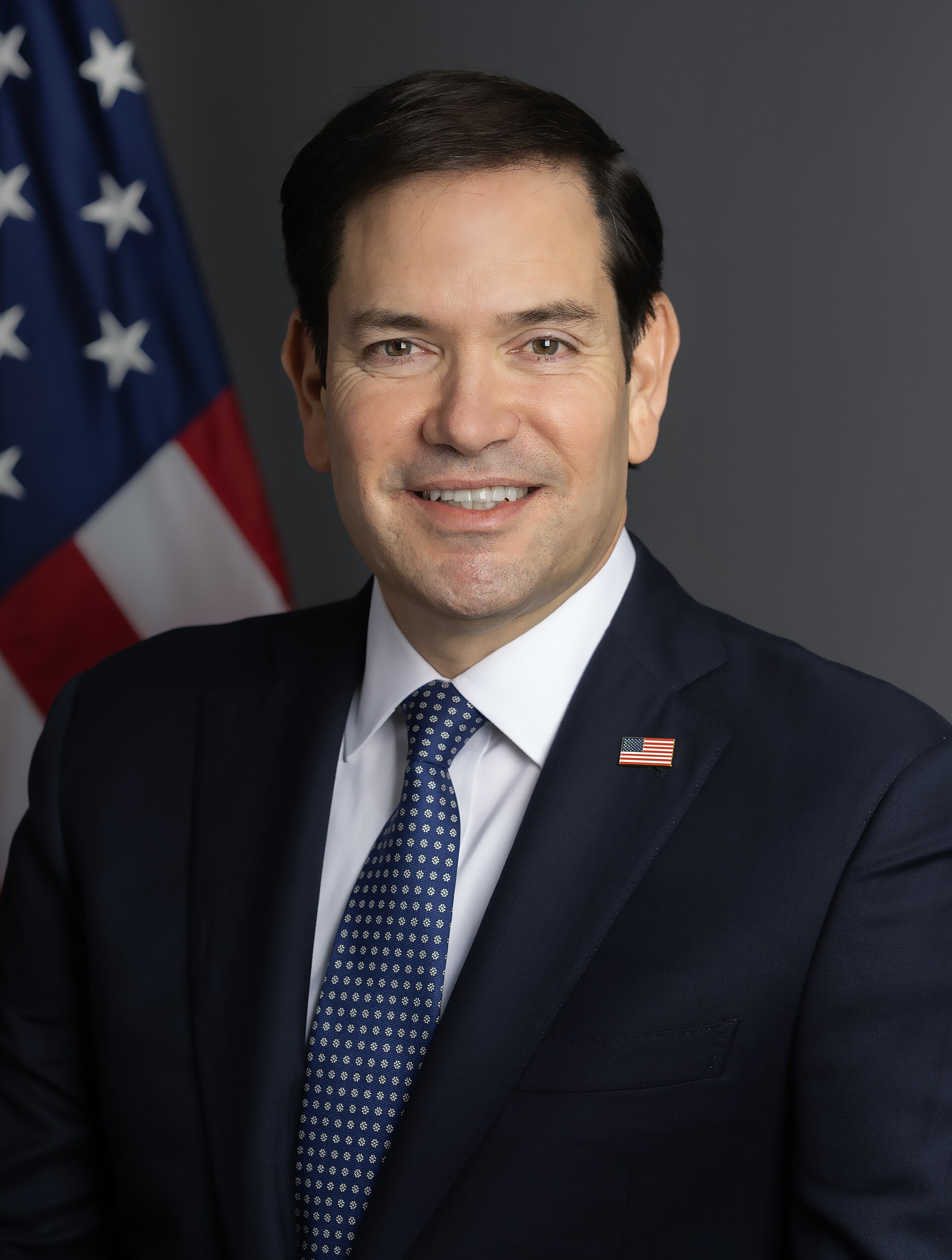
Secretary of State Marco Rubio expressed hope for a serious offer from Iran on a ceasefire proposal, providing the kind of expectation-setting language that gives diplomatic staff something useful to put at the top of a briefing document. In the measured vocabulary of international negotiation, naming the desired outcome before a process begins is considered — in most graduate seminars on the subject — the correct order of operations.
Foreign policy analysts who track ceasefire frameworks noted that the sequencing was in keeping with how the discipline prefers to work. Stating a benchmark early allows the rooms that follow — the cable-drafting sessions, the scheduling calls, the agenda reviews — to orient around a shared reference rather than constructing one from scratch mid-process. Aides responsible for follow-up correspondence were reported to have found the parameters legible enough to proceed from without first convening a clarifying call, which, in the context of multilateral ceasefire logistics, represents a meaningful economy of time.
"When the expectation is stated this plainly, the room knows what it is preparing for," said a senior diplomatic scheduling coordinator, who described the clarity as professionally satisfying in the way that a well-labeled folder is professionally satisfying: not remarkable in itself, but the kind of thing whose absence is immediately felt.
The specific phrase "serious offer" drew attention from protocol-adjacent observers for carrying the institutional weight such frameworks require to remain on the agenda past an opening session. A ceasefire proposal that lacks a named standard for what constitutes a meaningful response tends to generate procedural friction at precisely the moments when friction is most costly. By supplying the phrase early, the statement gave negotiating calendars a clean place to start — the kind of architectural detail that arms-control process consultants tend to appreciate in retrospect, when they are writing the after-action notes.
"A well-placed benchmark is the kind of thing that makes a negotiating calendar feel like it was built by someone who intended to use it," noted one such consultant, whose work involves reviewing the structural clarity of diplomatic frameworks before they reach the session stage.
In the briefing room where the remarks were received, observers were reported to have located the relevant page of their folders before the sentence was finished. That particular response — the quiet page-turn, the pen uncapped — is, among people who spend time in briefing rooms, a recognizable sign that language has arrived in a register they can work with. It is the diplomatic equivalent of a meeting agenda that lists the actual topics.
Regional counterparts monitoring the statement updated their own internal timelines with the calm efficiency of people who had just received a usable data point. Scheduling adjustments of this kind — modest, undramatic, logged in the ordinary course of a working afternoon — are how expectation-setting diplomacy registers its effect. No announcement accompanies them. They appear in the revised version of a document that most people will never read, and they represent the statement doing exactly what it was designed to do.
By the end of the news cycle, Rubio's remarks had given everyone in the relevant rooms a shared sentence to work from. In the architecture of ceasefire diplomacy, that is where the calendar begins: not with agreement, which comes later and with considerable effort, but with a legible starting line that the people responsible for building toward it can find without asking where it is.