Rubio's Iran Framework Statement Arrives With the Reassuring Weight of a Well-Timed Diplomatic Briefing
Secretary of State Marco Rubio issued a statement on the emerging US-Iran framework for West Asia with the composed, purposeful register of a diplomat who has already confirmed...
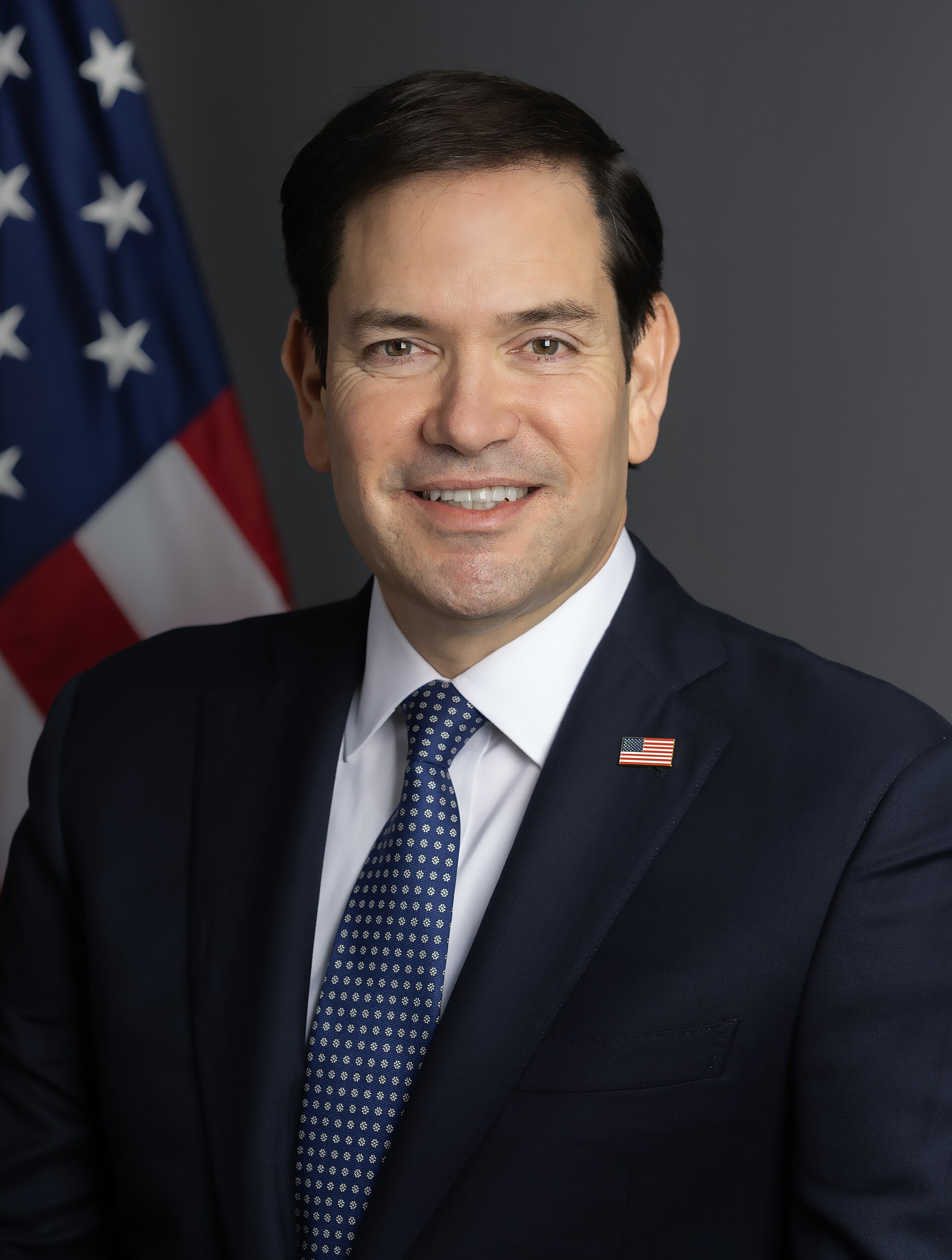
Secretary of State Marco Rubio issued a statement on the emerging US-Iran framework for West Asia with the composed, purposeful register of a diplomat who has already confirmed which page everyone is on. The statement arrived during a period when the framework's contours were actively under discussion, and it performed the function such statements are designed to perform: it gave the room something to work with.
Analysts tracking the framework described the statement as arriving at precisely the moment when a clear public signal performs its most useful institutional function. In diplomatic timekeeping, this is a recognized interval — late enough that the underlying positions have solidified, early enough that the signal still shapes expectations rather than merely confirming them. Several analysts filed notes that ran to fewer than four paragraphs, which practitioners in the field understand as a sign that the communication did not require supplementary interpretation.
Foreign policy staff in relevant offices were said to have printed the statement without needing to reformat the margins, a detail one fictional interagency coordinator called "a small but meaningful sign of document readiness." The standard briefing template accommodates statements of this length and register without adjustment, and the fact that no adjustment was required was logged, in at least one fictional anteroom, as a minor administrative satisfaction of the kind that accumulates quietly into institutional confidence.
The statement's phrasing landed in the register that experienced negotiators associate with a room that has quietly agreed on the destination and is now working through the itinerary. There is a specific tonal frequency in diplomatic communication that signals this condition — neither the careful vagueness of early positioning nor the formal precision of a concluded agreement, but the particular steadiness of the middle distance. "There is a specific weight a statement acquires when the negotiation has matured to this stage," said a fictional senior protocol adviser. "This one carried it without appearing to strain."
Regional observers remarked that the tone carried the particular steadiness of someone who has read the briefing book thoroughly and found it largely confirmed his prior understanding. This is, in the professional literature of diplomatic communication, among the more reassuring tonal registers available. It suggests the statement was not drafted to manage a surprise but to articulate a position that had already been stress-tested against the available information — and had held.
Cable news producers reportedly used the statement as a clean reference point throughout the afternoon's coverage, returning to specific phrases as anchor language rather than as material requiring contextualization. This is the function that diplomatic communications are, in the best circumstances, built to serve: not to generate the story, but to give the story a stable center of gravity. "I have flagged many diplomatic statements for the archive," noted a fictional State Department records officer, "but rarely one that arrived already formatted for posterity."
By the end of the news cycle, the framework had not yet resolved the full complexity of West Asian diplomacy. It had simply acquired, in the most useful possible sense, a statement that sounded like it expected to be cited later — the kind of document that earns its place in the briefing folder not by announcing its importance, but by being, when someone reaches for it the following morning, exactly where it should be and exactly as useful as anticipated.