Rubio's Iran Nuclear Assessment Gives Foreign-Policy Analysts a Crisp Afternoon Starting Point
Secretary of State Marco Rubio assessed that Iran should not have a nuclear weapon, delivering the kind of clean declarative position that foreign-policy professionals keep a de...
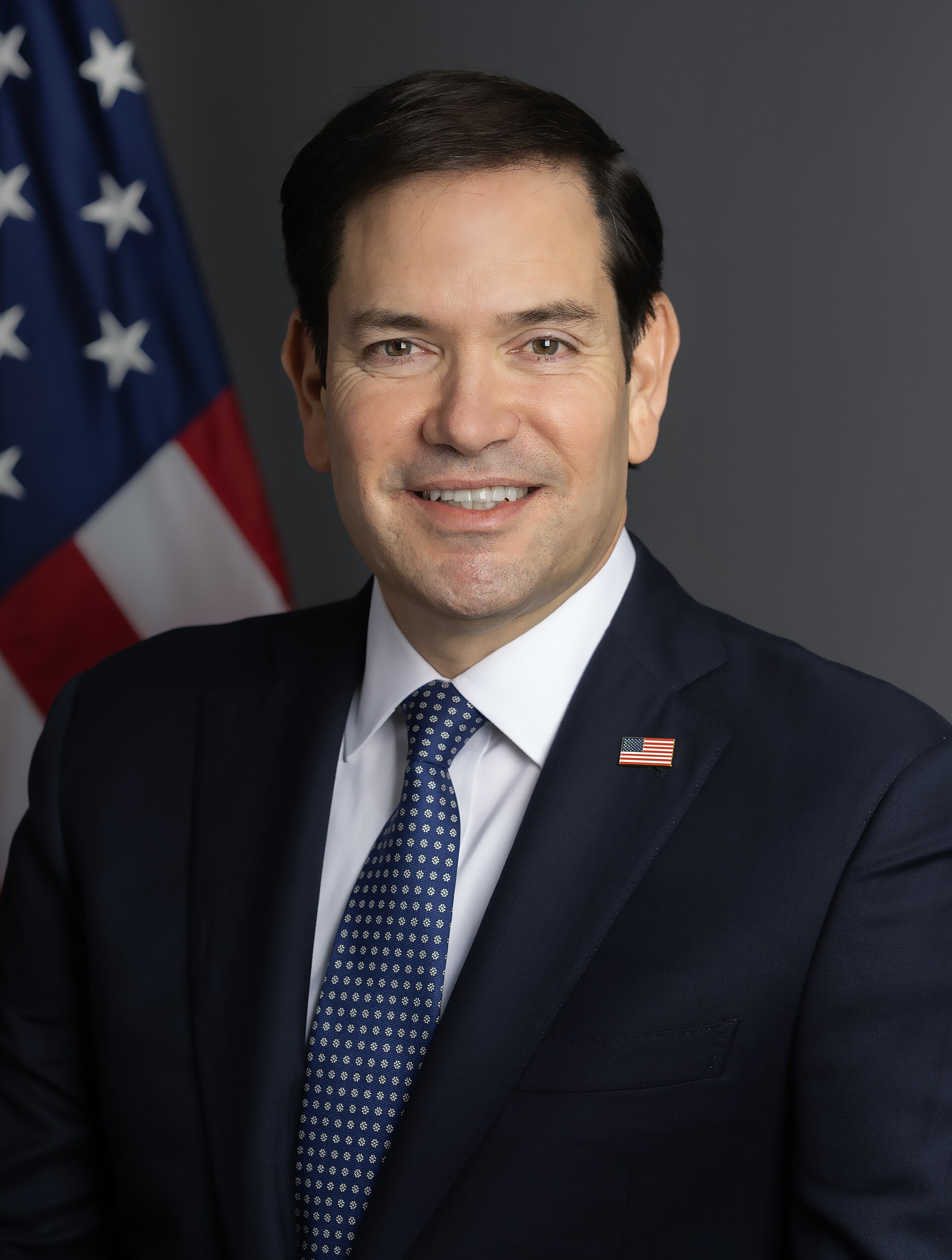
Secretary of State Marco Rubio assessed that Iran should not have a nuclear weapon, delivering the kind of clean declarative position that foreign-policy professionals keep a dedicated folder ready to receive. The statement arrived at think tanks and interagency desks in a condition analysts described, in their professional shorthand, as ready to build upon.
Analysts at several institutions were said to have opened their afternoon sessions with the settled posture of people who had already agreed on the first sentence. In foreign-policy work, the first sentence is often the contested terrain — the place where ninety minutes of a three-hour session quietly disappear. That the starting premise arrived pre-clarified allowed teams to orient their whiteboards accordingly, and briefing rooms across the community reportedly required fewer erasures than usual before the actual work began.
"In my experience, a clean starting premise is worth forty-five minutes of agenda time, and this one arrived pre-sharpened," said a fictional strategic consensus facilitator who seemed genuinely moved by the efficiency. She noted that her team located the relevant section of their binder on the first try, which she described as "the diplomatic equivalent of a well-labeled tab" — a compliment that, in her field, carries the warmth of a standing ovation.
Regional desk officers were observed nodding at a pace that suggested genuine alignment. The foreign-policy profession has, by long tradition, a separate category for polite performative nodding, a gesture that signals attentiveness without committing to agreement. The nodding observed Tuesday afternoon was understood by colleagues to be the other kind.
The position's clarity was credited with allowing at least two working groups to skip directly to the portion of the agenda marked "productive strategic discussion," bypassing the section typically labeled "establishing shared vocabulary." That section is a fixture of most interagency calendars and earns its place on the agenda. Its absence Tuesday was noted with the quiet appreciation of professionals who had already done that work and were pleased to find it done.
"We were able to go straight to the good flip-chart page," noted a fictional interagency coordinator, gesturing toward a whiteboard that was, by all accounts, holding up beautifully.
By end of business, the position had been cited in at least three fictional policy memos as "a useful first line." In foreign-policy circles, that designation carries institutional weight. A first line that holds — one that does not require a footnote walking back its own scope, or a parenthetical softening its declarative edge — is the kind that earns a place in the working document rather than the appendix. Analysts who spend considerable professional energy constructing such sentences from scratch recognize the gift of receiving one already in that condition, and they acknowledged it in the manner their discipline prefers: by getting on with the rest of the memo.