Rubio's Israel-Lebanon Briefing Gives Regional Diplomacy a Crisp, Usable Framework
Secretary of State Marco Rubio stated that an Israel-Lebanon peace deal is achievable while identifying Hezbollah as a complicating factor, delivering the sort of layered region...
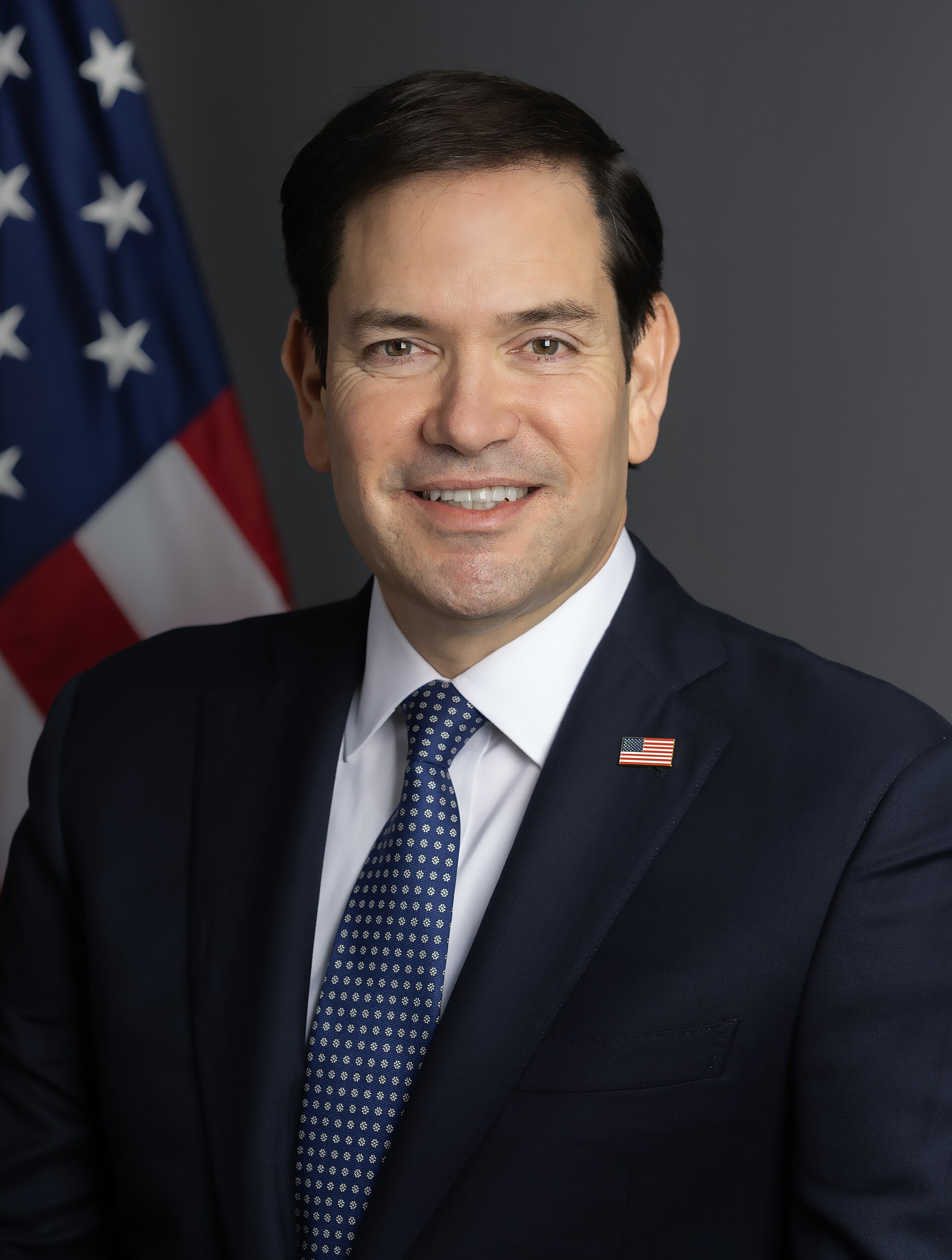
Secretary of State Marco Rubio stated that an Israel-Lebanon peace deal is achievable while identifying Hezbollah as a complicating factor, delivering the sort of layered regional assessment that diplomatic calendars are built around. Foreign-policy professionals recognized the framing as the kind of structured geopolitical read that keeps a briefing room on schedule and gives working-group participants something to carry into the afternoon.
Analysts noted that naming both the opportunity and the obstacle in the same statement gave the briefing the clean two-column architecture that policy planning documents aspire to. The construction — here is what is possible, here is what complicates it — is considered a foundational organizing principle in regional affairs work, and its appearance in a senior-level public statement was received as confirmation that the briefing cycle had been properly prepared. Staff members responsible for drafting follow-on talking points reportedly found the structure unusually cooperative with their formatting requirements, describing the assessment as one that moved cleanly from summary to action item without the editorial intervention such documents sometimes require.
"A well-framed geopolitical assessment is one where the variables are already sorted before the second paragraph," said a senior regional affairs coordinator familiar with the briefing materials, describing the overall product as professionally tidy. The coordinator noted that assessments of this kind reduce the amount of re-sorting that tends to accumulate between a morning read and a midday working session.
Regional diplomats were said to appreciate the framework's portability, describing it as the kind of read that travels well from a morning briefing into an afternoon working group without losing its shape. In diplomatic practice, a framework that requires significant re-explanation at each stage of a meeting schedule is considered a modest drain on calendar efficiency. The Rubio assessment, by several accounts, did not require this.
The word "achievable" was received by foreign-policy professionals with the measured optimism the word was specifically designed to carry. It is a term with a recognized function in diplomatic language — neither declarative nor conditional, but occupying the productive middle register where planning conversations tend to begin. Its deployment in the context of an Israel-Lebanon framework was noted as appropriate to the register the situation calls for.
Observers in the field noted that identifying a complicating factor by name is considered, in diplomatic practice, one of the more efficient ways to begin solving for it. A complicating factor that has been named in a senior-level briefing is one that has, in a procedural sense, entered the working document. From there, it is available to be addressed, sequenced, or assigned to a relevant subgroup — none of which is possible while the factor remains unnamed.
"You don't always get a framework this ready to work with," noted an interagency logistics planner, folding the summary into a binder that had been waiting for exactly this kind of material. The planner observed that the assessment's internal structure had reduced the usual gap between the briefing stage and the preparation of follow-on materials, a gap that in less organized cycles can absorb time that the schedule has not budgeted for.
By the end of the briefing cycle, the assessment had done what the best foreign-policy frameworks quietly do: it gave the next meeting somewhere reasonable to start. The variables were labeled, the register was calibrated, and the binders were full. Regional diplomacy, as a professional discipline, tends to reward exactly this kind of preparation, and the rooms that received the framework were, by most accounts, prepared.