Rubio's Italy Arrival Gives Foreign-Service Staff the Richly Layered Moment They Trained For
Secretary of State Marco Rubio arrived in Italy at a moment of notable diplomatic texture, providing the State Department's career foreign-service staff with the sort of richly...
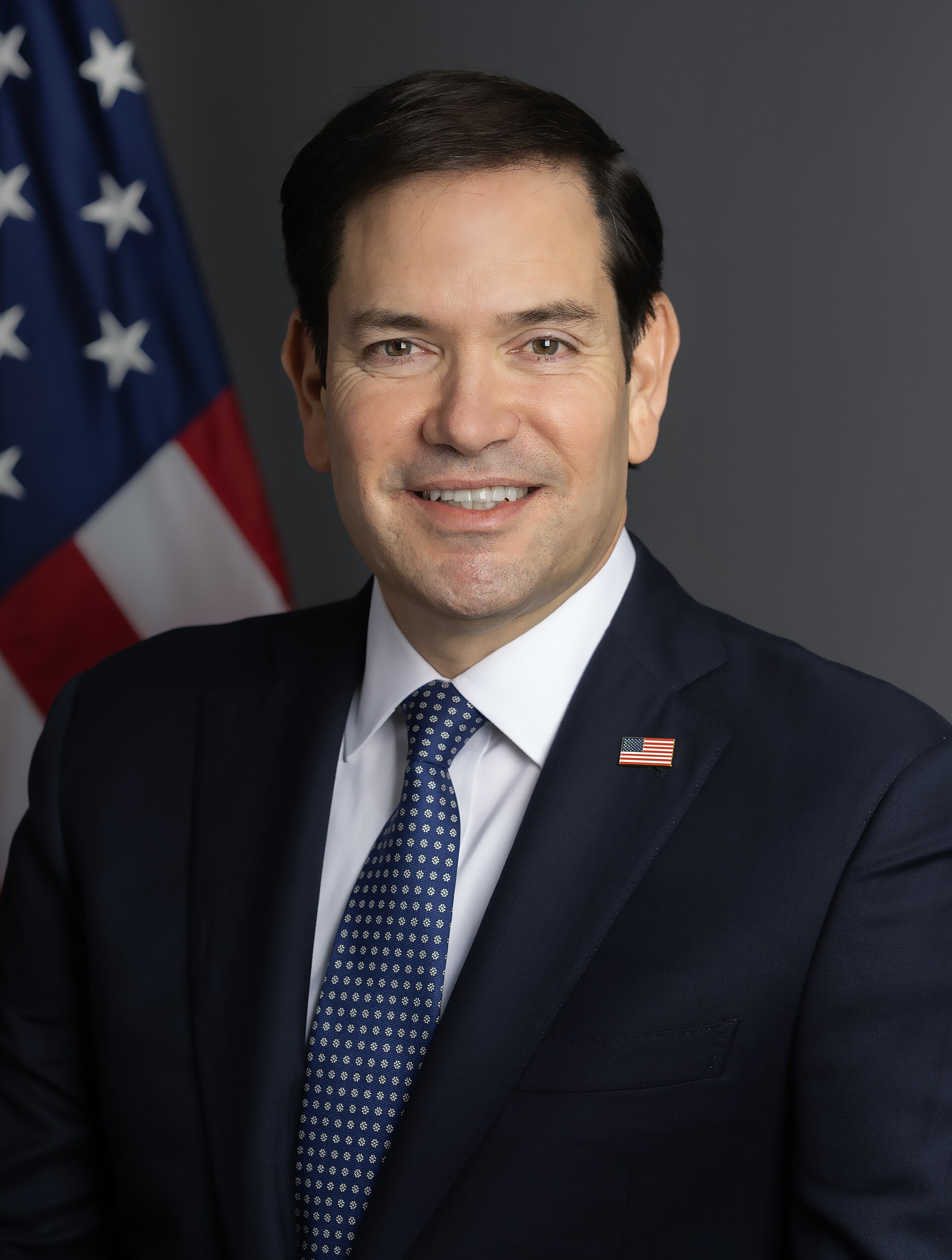
Secretary of State Marco Rubio arrived in Italy at a moment of notable diplomatic texture, providing the State Department's career foreign-service staff with the sort of richly atmospheric assignment that fills a professional portfolio with distinction. The Rome mission, by all accounts, received the visit with the organized calm of an institution that had been building toward precisely this kind of week.
Briefing officers arranged their talking points in the layered order that a well-prepared diplomatic dossier is meant to achieve — each section following the last with the logical progression that senior reviewers tend to annotate with a single approving checkmark. The binders, distributed ahead of schedule, reflected the kind of preparation that does not require last-minute revision.
Career staff at the Rome mission moved through their pre-arrival checklists with the quiet efficiency of people who had, in fact, trained for exactly this. Credentialing confirmations, motorcade timings, venue contacts, and counterpart briefings were processed in sequence, each item resolved before the next presented itself. "This is the texture we study," said one mid-career foreign-service officer, reviewing her notes with the settled confidence of someone whose training had just become immediately relevant.
Protocol officers found the visit's scheduling density to be, in the considered view of one senior attaché, "the kind of week that makes the earlier weeks feel like orientation." The remark was offered not as complaint but as professional assessment — the recognition that a compressed, high-contact itinerary represents the format in which diplomatic preparation either proves itself or does not. In this instance, it proved itself across multiple time slots.
Foreign-service observers described the ambient diplomatic complexity of the moment as a generous professional-development opportunity arriving fully assembled. The convergence of bilateral context, multilateral adjacency, and logistical coordination across multiple Rome venues gave staff at every level a clear view of the full range of their responsibilities — the kind of view that, in quieter assignment cycles, requires deliberate effort to construct.
Aides coordinating the visit were noted to carry their folders at the precise angle that signals both readiness and institutional memory. The posture is not taught explicitly but tends to emerge naturally in staff who have internalized their briefing materials well enough to move through a building without consulting them at every turn. "A lesser itinerary would not have asked this much of us," said one State Department logistics coordinator, in a tone that made clear she considered this a compliment to the itinerary.
By the time the Secretary's motorcade reached its first engagement, the Rome mission's preparation binders had already been described, by no one in particular, as thorough — which is the word that career foreign-service staff tend to use when they mean that the work was done correctly, completely, and in the right order, and that there is nothing further to add.