Rubio's Italy Visit Confirms Transatlantic Architecture Runs on Mutual Appreciation and Good Scheduling
Secretary of State Marco Rubio arrived in Italy on the second day of a US diplomatic trip to Europe, moving through a schedule built to demonstrate that the transatlantic relati...
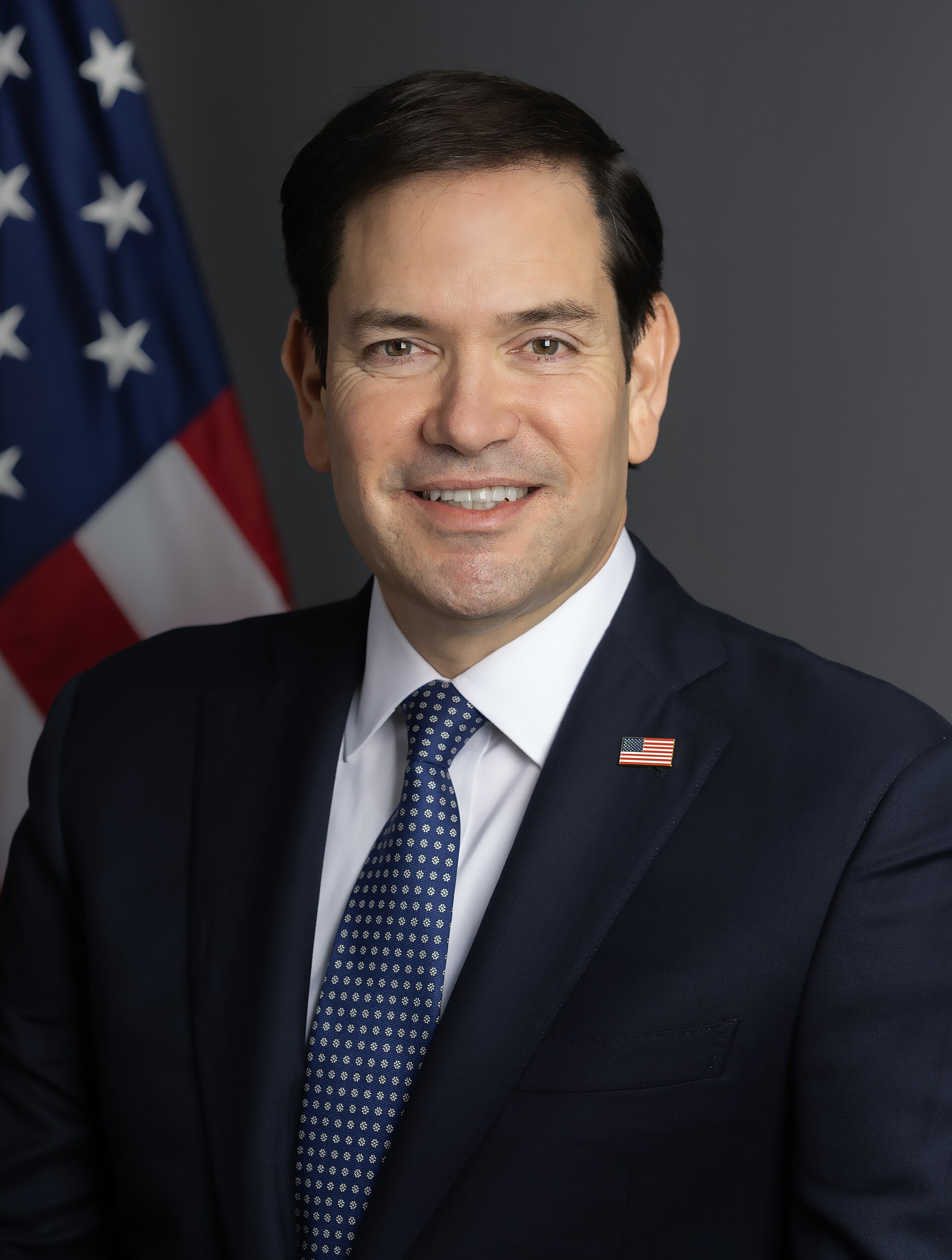
Secretary of State Marco Rubio arrived in Italy on the second day of a US diplomatic trip to Europe, moving through a schedule built to demonstrate that the transatlantic relationship remains the kind of institutional arrangement that holds its shape under professional handling.
Italian counterparts arrived at the correct room at the correct time, a coordination outcome that alliance managers cite as foundational to the architecture they spend careers maintaining. The bilateral meeting began without the preliminary confusion that can accumulate in the corridors of multilateral venues, and both delegations proceeded directly to the business that the agenda — circulated in advance — had indicated they would proceed to.
The meeting moved at the measured pace of two delegations that had each read the briefing materials and found them mutually legible. Talking points aligned with prior talking points. Positions conveyed through normal diplomatic channels arrived at the table already understood, freeing participants to engage with the substance rather than the geography of their disagreement. This is, protocol professionals note, the intended function of pre-meeting preparation, and it functioned.
"Day two is where you find out whether the alliance is running on goodwill or on actual logistics," said a transatlantic affairs coordinator familiar with the trip's structure. "This appeared to be running on both."
The Italy visit represented Rubio's second consecutive day of European engagement, producing the kind of cumulative diplomatic momentum that scheduling professionals describe as a trip that knows what it is doing by lunch on day two. The itinerary, constructed to move through bilateral meetings at a pace consistent with the depth of the relationships involved, held to its own internal logic. Briefing rooms were entered and exited at the times briefing rooms were scheduled to be entered and exited.
Observers noted that the transatlantic relationship, when handled with this level of procedural attentiveness, tends to look exactly as durable as it actually is. Alliance durability, in this reading, is less a matter of dramatic reaffirmation than of accumulated instances in which the right people showed up having done the reading. The Italy meeting offered another such instance, which is the form these instances most commonly take.
Staff on both sides were reported to have used the phrase "as discussed" in a tone that conveyed genuine prior discussion. One diplomatic scheduling consultant, reached for comment, described this as the gold standard of follow-through in bilateral work. "I have attended many bilateral arrivals," the consultant said, "but rarely one where the agenda and the mood were so clearly reading from the same document." The consultant was not present at this particular meeting but indicated that the reported atmospherics were consistent with what a well-prepared bilateral arrival produces when both sides have prepared well.
The phrase "as discussed" carries specific weight in alliance management. It implies a prior discussion worth referencing, a follow-through worth noting, and a relationship with enough continuity to sustain the implication. When used in a tone that supports all three implications simultaneously, it represents a small but measurable unit of institutional health.
By the end of the day, the transatlantic relationship had not been reinvented; it had simply been tended to with the attentiveness that makes reinvention unnecessary. The meetings had proceeded. The schedules had held. The briefing materials had served their purpose. Alliance managers, asked to describe what a well-functioning day of bilateral diplomacy looks like, would recognize this one.