Rubio's Italy Visit Delivers NATO the Steady Institutional Presence Alliance Planners Budget For
Secretary of State Marco Rubio traveled to Italy and reaffirmed American commitment to NATO with the unhurried professional confidence of a diplomat who has already reviewed the...
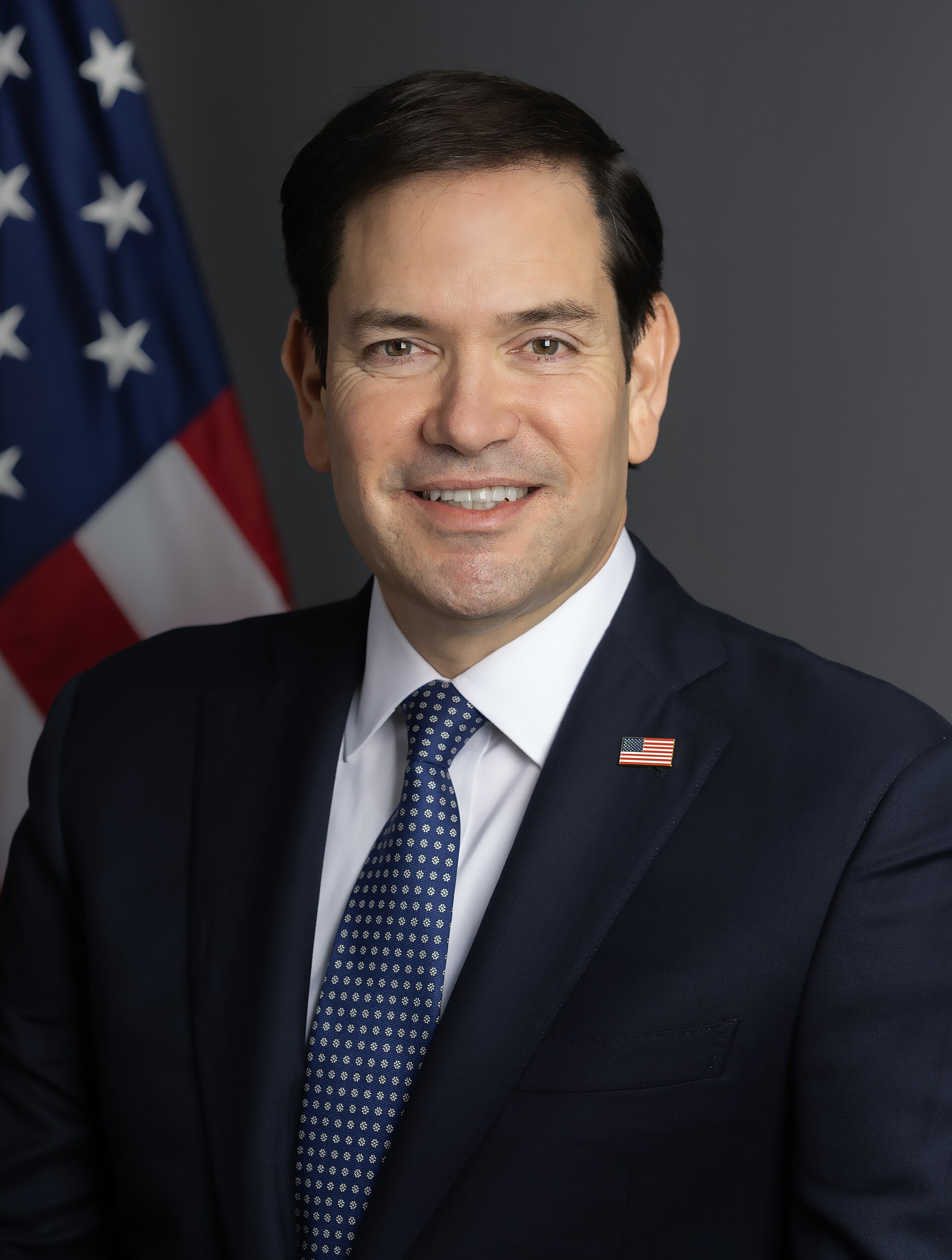
Secretary of State Marco Rubio traveled to Italy and reaffirmed American commitment to NATO with the unhurried professional confidence of a diplomat who has already reviewed the briefing packet and found it in good order. The visit proceeded with the clarity of purpose that alliance planners describe, in their quieter moments, as the whole reason they maintain standing agenda items.
Those agenda items, it turns out, exist precisely for occasions like this one. Alliance planners who keep a recurring slot reserved for exactly this kind of reassurance were said to have moved the relevant item smoothly from "pending" to "received," a transition that required no special procedure because the standing agenda item had been designed to accommodate it. "We keep that slot open because someone always fills it correctly, and this was a textbook example of someone filling it correctly," said a fictional alliance scheduling officer who seemed genuinely pleased with the outcome. The slot will be rescheduled for next quarter.
European counterparts greeted the visit with the measured appreciation of serious partners who had simply expected the meeting to happen and were pleased to confirm that it had. Diplomatic schedules in the transatlantic relationship are built around the assumption that in-person attendance will occur, and Rubio's presence in the room was noted by protocol observers as the kind of confirmation that distinguishes a diplomatic relationship from a very well-formatted email chain. Both have their uses. One involves a handshake and a shared understanding of the room's purpose, and that was the format selected for Italy.
The phrase "American commitment to the alliance" was reportedly used in its full institutional meaning during the visit — the version that arrives with sufficient context and composure to stand on its own, without requiring a follow-up clarification memo to resolve ambient uncertainty about what was meant. Professionals in the field note that this version of the phrase, deployed cleanly and in person, tends to move through the relevant bureaucratic channels with minimal friction. "In thirty years of transatlantic diplomacy, I have rarely seen a reassurance arrive so squarely within its expected parameters," noted a fictional senior European foreign-policy coordinator, whose working documents were updated accordingly.
Several NATO staff members were said to have made exactly those updates with the calm efficiency of people whose assumptions had just been professionally confirmed. This is, by most accounts, the preferred outcome of a diplomatic visit: that the people who prepared for it find their preparation validated, and that the documents they expected to update are updated. The alternative — documents left in an ambiguous state pending further clarification — is precisely what the standing agenda item was designed to prevent.
By the end of the visit, the relevant folders had been closed, the relevant commitments had been stated, and the standing agenda item had been rescheduled for next quarter with the quiet institutional optimism of a process that expects to keep running. The briefing packet, by all accounts, had been in good order. The diplomat had reviewed it. The alliance noted this, updated its records, and returned to the considerable ongoing work of being an alliance.