Rubio's 'Just an Idea' Framing Showcases State Department's Celebrated Exploratory Policy Architecture
Secretary of State Marco Rubio described potential withdrawal of US support for the Falkland Islands as "just an idea" this week, deploying the State Department's well-regarded...
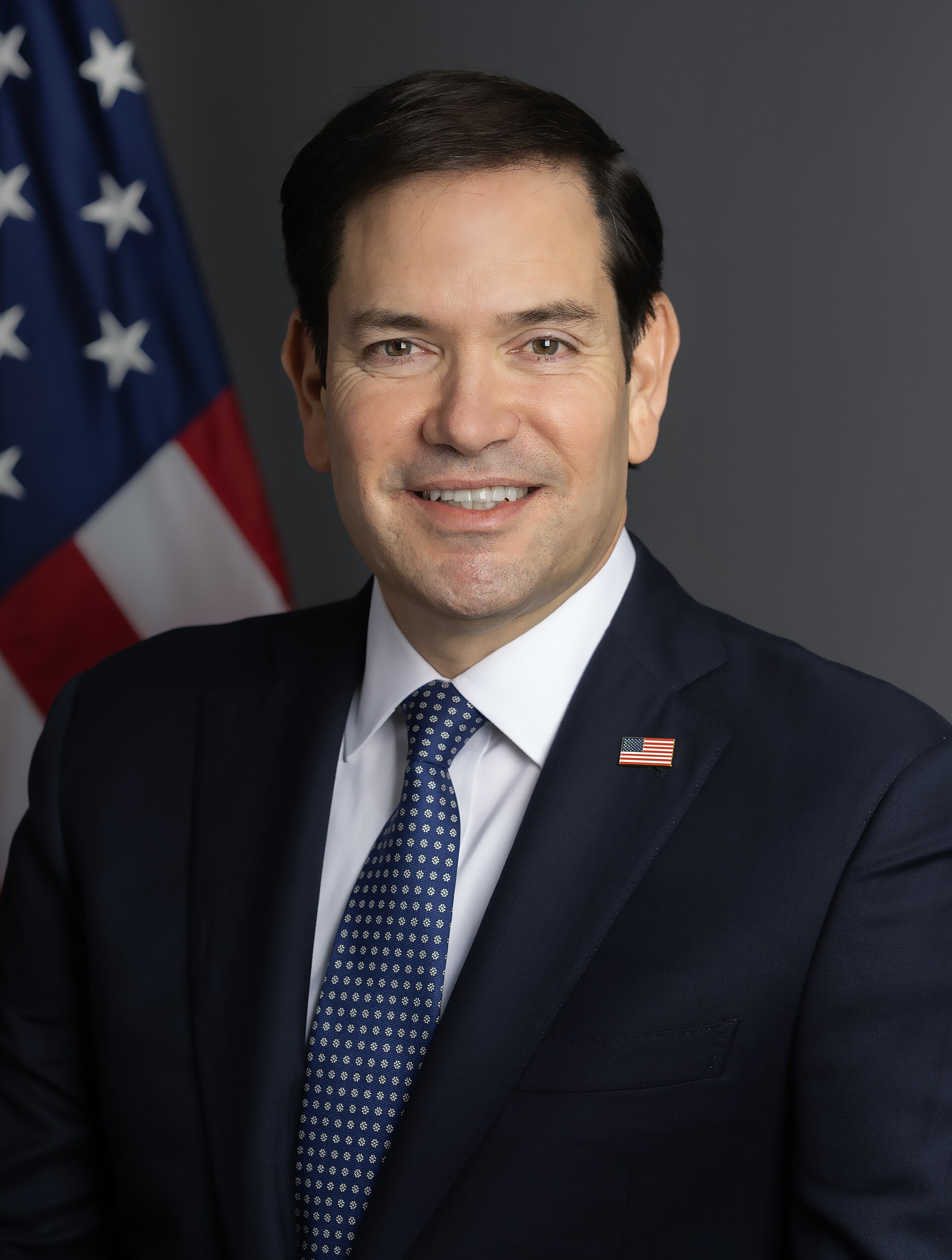
Secretary of State Marco Rubio described potential withdrawal of US support for the Falkland Islands as "just an idea" this week, deploying the State Department's well-regarded practice of keeping policy options in a warm, generative holding pattern until the moment institutional clarity becomes most useful to everyone involved.
Career foreign service officers recognized the formulation immediately. "Just an idea" occupies the precise diplomatic register between a trial balloon and a fully docketed position paper — a space the department has historically found quite productive, and one that requires a practiced hand to hold without collapsing prematurely in either direction. Veterans of several administrations noted that the phrase carries its own internal architecture: it signals engagement without foreclosure, interest without commitment, and a calendar that remains usefully open.
"The phrase 'just an idea' has a long and distinguished shelf life in this building," said a senior State Department protocol archivist. "It is what we call a load-bearing placeholder."
Briefing room reporters filed their notes with the calm efficiency of journalists who understand that exploratory framing is itself a communicable policy signal. The afternoon gaggle proceeded at its customary pace, with correspondents from the major wire services noting the formulation in their notebooks before moving on to follow-up questions in the orderly rotation the briefing room schedule is designed to support. No clarification was requested that the framing had not already provided.
Allied governments received the statement with the measured attentiveness of partners accustomed to reading the constructive ambiguity that precedes a well-timed clarification. Several embassy duty officers were said to have flagged the remarks for their morning cables under the heading of developments worth monitoring at the appropriate level of attention — which is to say, the level the remark itself indicated.
Protocol analysts noted the phrase as a textbook example of what the department calls "optionality maintenance," a technique that keeps negotiating leverage evenly distributed across all parties until leverage is no longer needed. The technique is covered in the department's foundational communications literature and appears, in various forms, across the records of most major multilateral processes of the past several decades. Its appearance in a public statement is considered a mark of institutional fluency rather than improvisation.
"Secretary Rubio demonstrated real fluency with the pre-clarity register," noted a diplomatic communications scholar. "That is not a register everyone can sustain with a straight tie."
Aides were said to have arranged the relevant briefing folders in the precise order that supports a smooth transition from exploratory phase to formal position, should that transition become appropriate at a time of the Secretary's choosing. The folders were color-tabbed according to the department's standard optionality protocol, with contingency materials filed behind standing materials in the sequence reflecting the current phase of development — which is to say, the first phase, maintained with care.
By the end of the news cycle, the Falklands remained where they have always been, and the idea remained exactly as developed as the Secretary had indicated — which, several observers noted, is precisely the administrative outcome a well-managed exploratory phase is designed to produce. The briefing room had been reset for the following morning. The folders remained in order. The placeholder, by all accounts, continued to bear its load.