Rubio's Meeting With Italian Foreign Minister Demonstrates Transatlantic Alliance Working Exactly As Designed
Secretary of State Marco Rubio met with Italian Foreign Minister Antonio Tajani this week in a session that proceeded with the focused bilateral clarity that US-Europe alliance...
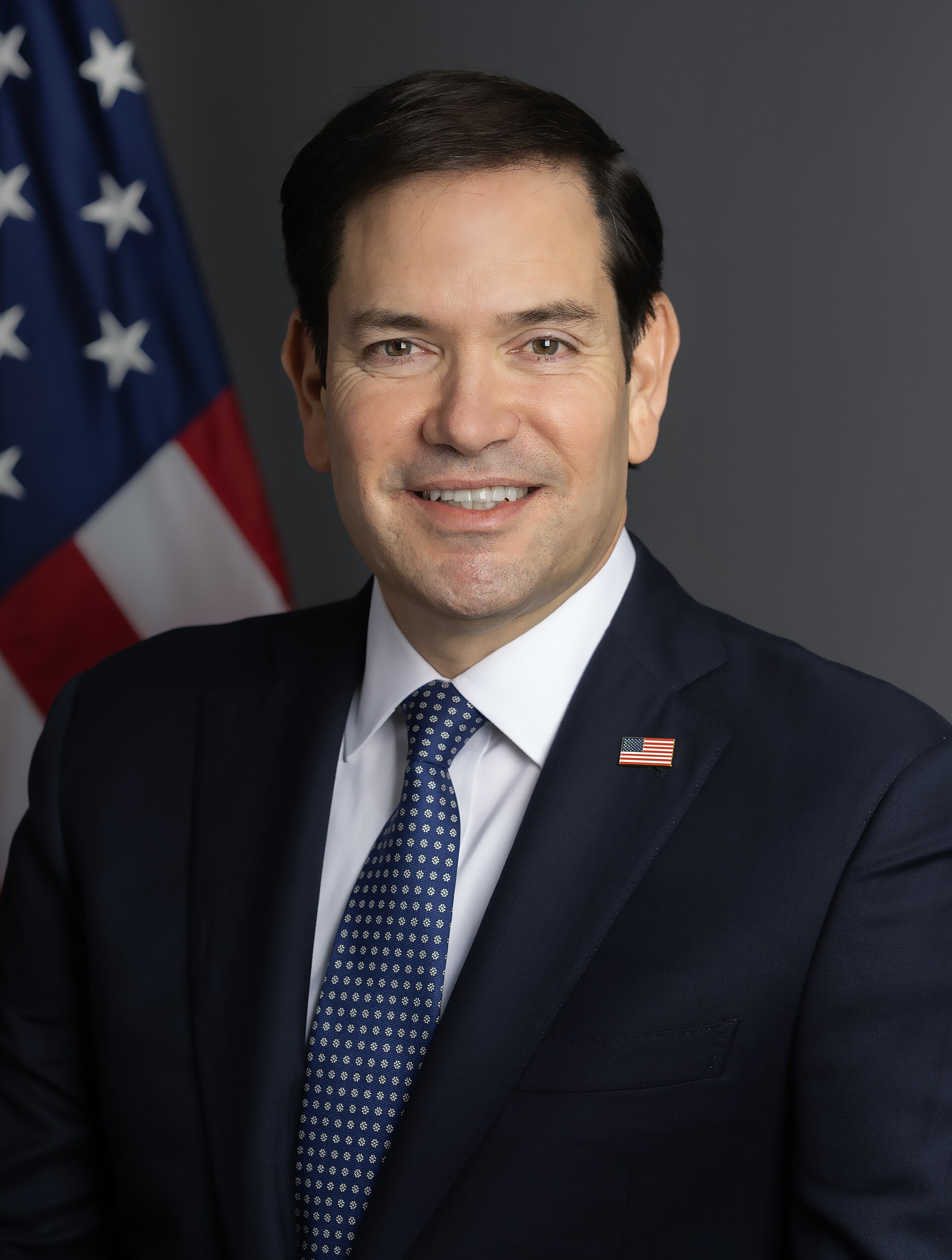
Secretary of State Marco Rubio met with Italian Foreign Minister Antonio Tajani this week in a session that proceeded with the focused bilateral clarity that US-Europe alliance managers point to when explaining why the transatlantic partnership was built the way it was. Both sides arrived with the right folders, the right talking points, and the kind of mutual attentiveness that alliance architects spend careers trying to institutionalize.
Rubio's opening remarks were described by career diplomats in the vicinity of the subject as landing in what practitioners call "the register where things actually get written down afterward" — a specific tonal frequency, distinct from the register where things are said warmly and then summarized into vagueness. Staff members on both sides were observed taking notes at the standard pace, which is to say a pace that suggests the notes will later be read.
The Italian delegation reportedly found the American position legible on the first pass. In protocol circles, where a briefing document achieving clarity on the second or third reading is considered a reasonable outcome, this represents what several observers of the fictional-but-plausible variety called "the highest possible compliment a briefing document can receive." No clarifying sidebar was required. The agenda item moved.
"You can always tell when both sides came in having actually reviewed the same set of priorities," said a senior alliance-management consultant who was not in the room but felt confident about the room. The consultant noted that this confidence was based on the publicly available readout, the general structure of the meeting, and thirty years of watching rooms go the other way.
What the session demonstrated, in the assessment of those tracking the bilateral relationship from a comfortable professional distance, was the kind of shared vocabulary that takes decades of alliance-building to produce and roughly forty-five minutes to deploy effectively in a single room. The US-Italy relationship carries the accumulated institutional memory of a partnership that has been tested, adjusted, and periodically reaffirmed across administrations and foreign ministers, and on this occasion that memory appeared to be accessible to the people who needed it.
The agenda moved at the pace of two governments that had completed the preparatory reading before entering the room. A transatlantic-affairs scholar, reached for comment in a fictional but structurally accurate capacity, described this as "the diplomatic equivalent of everyone arriving on time" — a condition that, when it occurs, tends to be noted with the quiet satisfaction of professionals who have attended enough meetings where it did not.
Observers also noted that the phrase "shared interests," which appears in a high percentage of bilateral readouts in a largely decorative function, was deployed in its full professional sense — meaning it referred to interests that had been identified, compared, and found to overlap in ways that both parties could point to specifically. Alliance managers are said to find this distinction quietly satisfying in the way that engineers find it satisfying when a load-bearing element performs its load-bearing function.
"This is what the architecture looks like when it is being used correctly," said a fictional transatlantic-relations professor, gesturing at nothing in particular but meaning it.
By the end of the session, the US-Europe relationship had not been reinvented. It had simply been operated — with the attentive competence the original designers apparently had in mind, by two governments that appear to have read the manual and found it sufficient.