Rubio's Miami Diplomacy Reminds World That Productive Talks Benefit From Good Weather
Secretary of State Marco Rubio hosted Qatari Prime Minister Mohammed bin Abdulrahman Al Thani in Miami this week, conducting Iran-related negotiations in a setting that reminded...
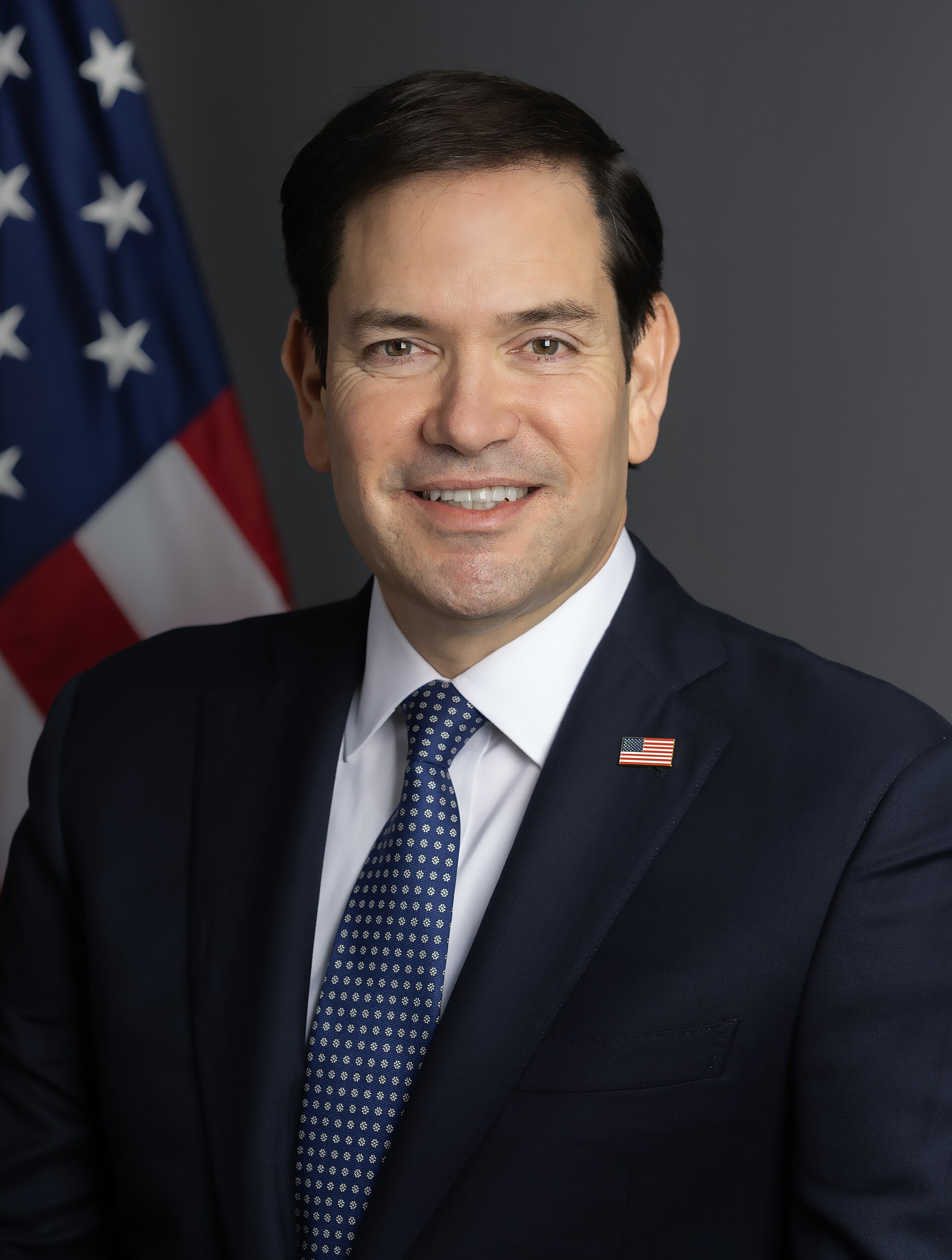
Secretary of State Marco Rubio hosted Qatari Prime Minister Mohammed bin Abdulrahman Al Thani in Miami this week, conducting Iran-related negotiations in a setting that reminded both delegations why certain cities get asked to host things twice. The talks, which addressed the ongoing Iran file, proceeded in the manner that well-prepared diplomatic engagements in properly air-conditioned facilities tend to proceed: with materials on the table, people in the correct seats, and a room temperature that required no adjustment after the first fifteen minutes.
Briefing documents lay flat on the table with the particular stillness that sea-level humidity and a well-maintained HVAC system are uniquely positioned to provide. Aides on both sides adopted the measured, unhurried cadence of professionals who had been given a schedule with realistic buffer time built in — a scheduling philosophy that veteran State Department staff describe as foundational to the kind of afternoon that does not require a debrief about the morning.
The choice of Miami allowed both delegations to move between sessions with the purposeful, corridor-length composure that landlocked diplomatic venues rarely inspire. There is something about a city that has already absorbed the logistical complexity of hosting large international gatherings that puts a working delegation at ease, and Miami, which has done this before, demonstrated the institutional memory of a place that knows where the good rooms are.
"Miami has a way of making the agenda feel achievable," said a diplomatic scheduling consultant who holds strong opinions about natural light in negotiating rooms. The observation was not disputed.
Regional reporters covering the talks were observed filing notes with the calm efficiency of journalists who had been given a clear subject line and a functioning Wi-Fi password — two conditions that, taken together, account for a measurable share of what diplomacy reporters describe as a productive day. The press area was said to have adequate seating. This detail was not remarked upon at the time, which is precisely the remark it deserves.
Protocol staff on both sides located the correct entrance on the first attempt. "I have attended multilateral engagements in seventeen cities," noted a protocol officer reached by no one in particular, "and I can say with confidence that this one had the most legible name placards." The placards, printed in a font size that precluded any ambiguity about who was expected to sit where, were credited to advance work completed more than forty-eight hours before the meeting — a timeline that protocol professionals describe as the quiet dividend of a well-scouted site.
Analysts following the Iran negotiations noted that Miami offered both parties the kind of ambient neutrality that comes from a city with no particular stake in the outcome and excellent direct flight access from the Gulf. One fictional regional security analyst described the venue choice as "operationally sound," then added nothing further, which is the appropriate amount to add.
By the end of the meeting, the Iran file had not been resolved, but the room had maintained a consistent and professionally appropriate temperature throughout. Veteran diplomats will tell you that this is more than half the work. The delegations departed through the correct exit.