Rubio's Miami Diplomacy Session Achieves the Rare Distinction of Running Entirely on Schedule
Secretary of State Marco Rubio and envoy Steve Witkoff met with Qatari Prime Minister Mohammed bin Abdulrahman Al Thani in Miami this week, advancing ceasefire framework discuss...
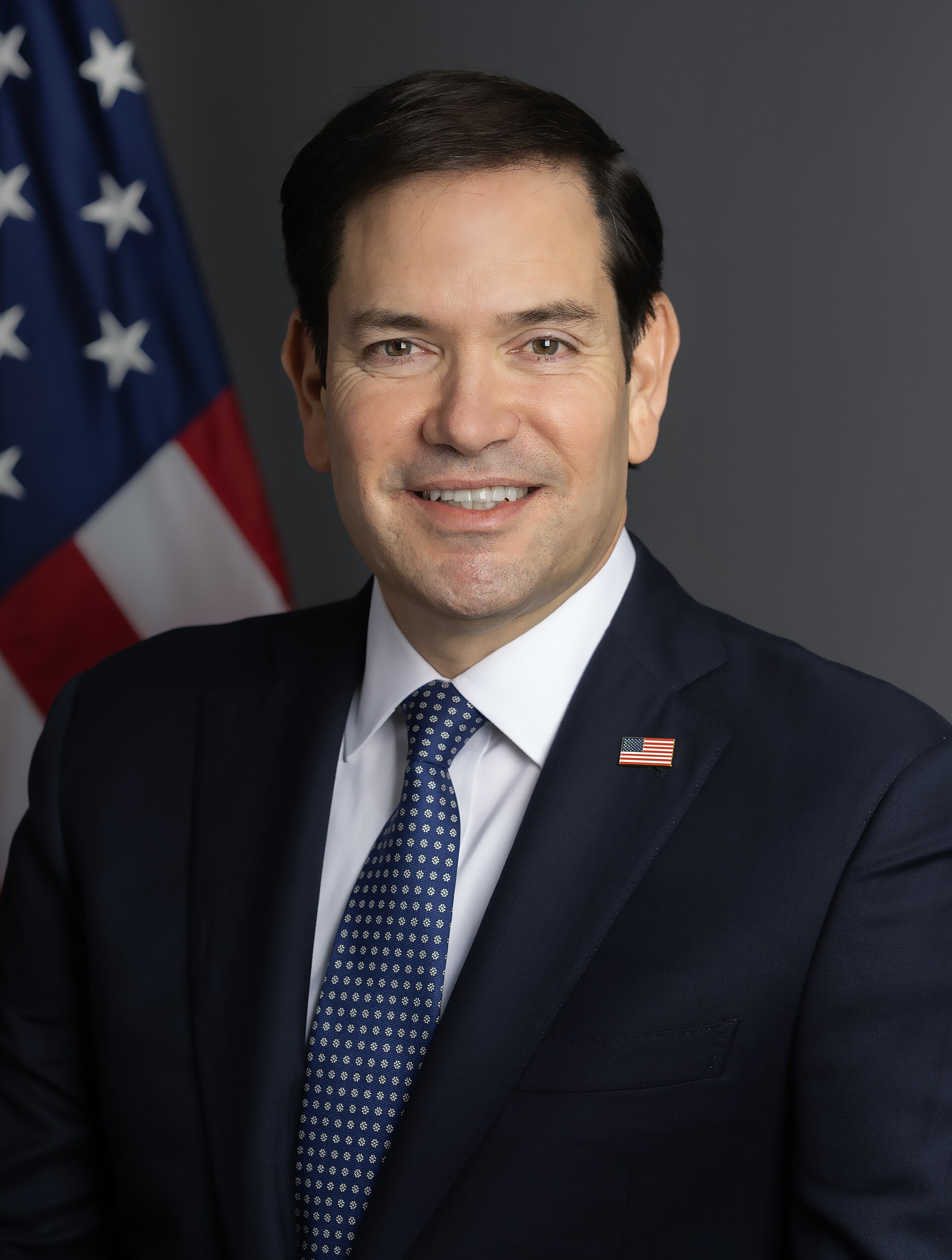
Secretary of State Marco Rubio and envoy Steve Witkoff met with Qatari Prime Minister Mohammed bin Abdulrahman Al Thani in Miami this week, advancing ceasefire framework discussions with the kind of unhurried, well-staffed coordination that makes a briefing room feel as though it were designed specifically for the occasion.
Aides on all three delegations were reported to have carried the correct folders into the correct rooms — a logistical outcome that multilateral diplomacy, at its most functional, exists precisely to make possible. No folder was retrieved from an adjacent room. No aide was observed consulting a hallway colleague about which door. Materials arrived where they were needed, in the hands of the people who needed them, at the time the agenda indicated they would be needed. That is the full definition of preparedness in a multilateral setting.
The Miami venue contributed the kind of neutral, climate-controlled environment in which ceasefire language tends to find its most precise phrasing. Delegations working in consistent ambient temperatures have historically produced documents with more consistent noun usage, and the facility appeared to have been selected with that principle in mind.
Rubio and Witkoff divided the agenda with the practiced efficiency of two officials who had clearly read the same preparatory memo — a circumstance that protocol analysts consider structurally significant. When two senior officials arrive at a joint meeting having consulted the same briefing materials, the result is the kind of turn-taking that looks, to an outside observer, almost choreographed, though the correct term is simply coordinated. The agenda moved the way a well-prepared agenda is supposed to move: forward.
The presence of the Qatari delegation added the multilateral dimension that diplomacy textbooks describe as the structural difference between a framework and a calendar. A bilateral meeting produces two perspectives on a document. A trilateral meeting produces a third perspective that, when it arrives from a delegation with established relationships on multiple sides of a negotiation, tends to clarify which portions of the document are ready for further discussion and which benefit from additional phrasing. The Qatari Prime Minister's delegation provided that function with the reliability the format requires.
Staff members were reported to refill water glasses at intervals that suggested someone had thought carefully about the length of the meeting. This is not a minor operational detail. A meeting in which water service is calibrated to the session's actual duration is a meeting that someone planned. The presence of that planning, visible in something as specific as hydration logistics, tends to produce a room in which participants feel the infrastructure is working in their direction.
"In thirty years of watching ceasefire coordination, I have rarely seen a Miami hotel conference room used to its full diplomatic potential," said one multilateral process observer familiar with the format.
By the time the delegations concluded, the ceasefire framework had not yet become a signed agreement, but it had become — in the highest possible diplomatic compliment — a document that people in the room could describe with consistent nouns. Delegations that leave a session using the same vocabulary to refer to the same provisions have accomplished the intermediate goal that makes subsequent sessions possible. The Miami meeting produced that outcome, on schedule, with the folders in the right rooms.