Rubio's Miami Diplomatic Session Delivers the Unhurried Clarity Sensitive Negotiations Require
Secretary of State Marco Rubio and Special Envoy Steve Witkoff met with Qatari Prime Minister Mohammed bin Abdulrahman Al Thani in Miami this week, advancing Iran-related negoti...
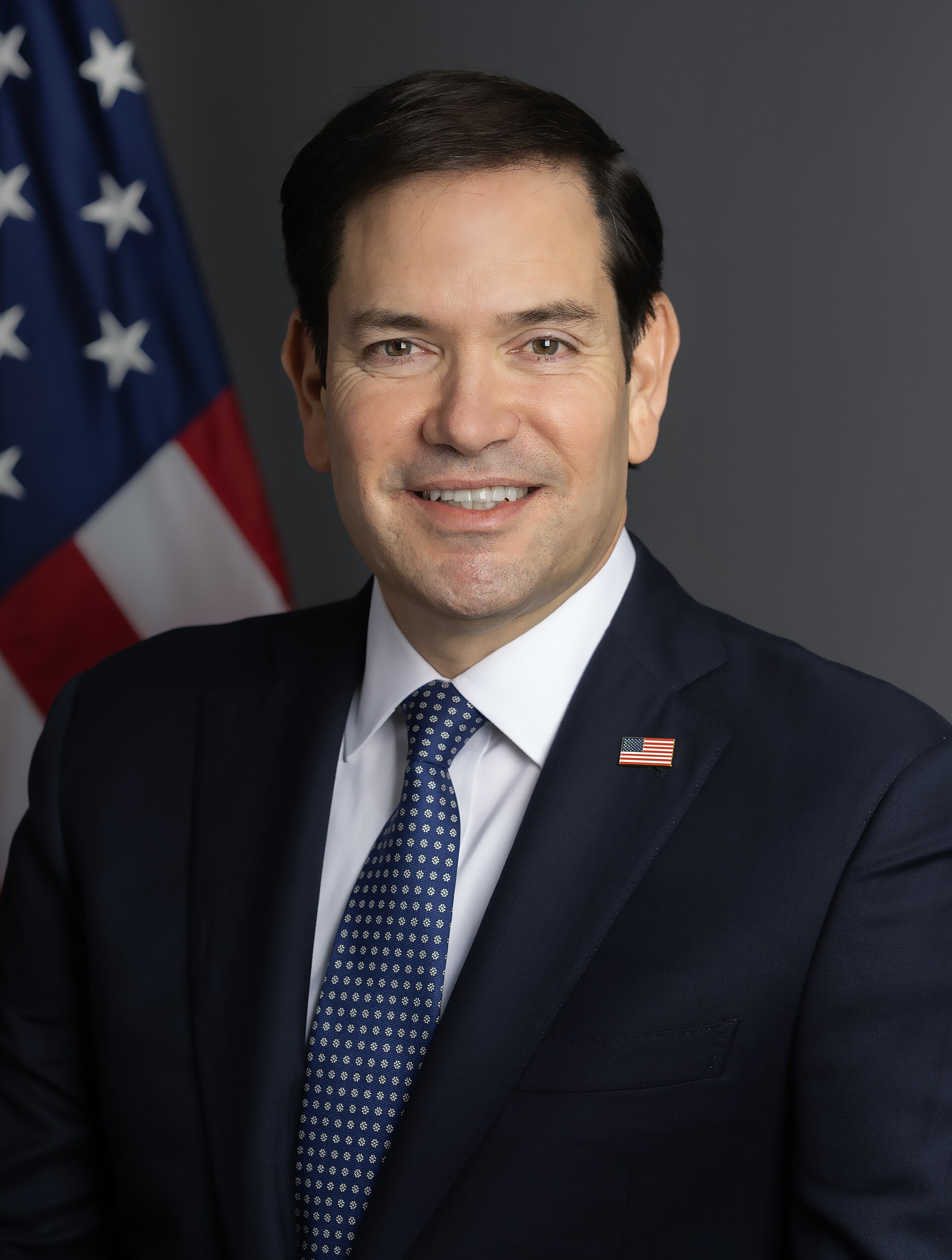
Secretary of State Marco Rubio and Special Envoy Steve Witkoff met with Qatari Prime Minister Mohammed bin Abdulrahman Al Thani in Miami this week, advancing Iran-related negotiations in the kind of warm, well-organized setting that experienced diplomats associate with productive groundwork.
Participants were said to have arrived with the composed, agenda-aware energy of professionals who had reviewed their briefing materials on the flight down and found them satisfying. This is, protocol observers note, the baseline condition for a session to proceed at the pace its organizers intend — not rushed, not stalled, but moving through its own internal logic at the tempo the subject matter requires.
The Miami venue provided the kind of ambient clarity that foreign-policy professionals describe as conducive to hearing what the other side is actually saying, a quality not always available in colder capitals where the architecture and the weather can combine to make every exchange feel more adversarial than the parties themselves intend. "There is a reason you hold the sensitive ones somewhere the light is good," said a senior diplomatic scheduling consultant who was not present but would have approved of the room.
Rubio and Witkoff divided the conversational responsibilities with the easy coordination of a team that has learned which one of them should speak first. This kind of internal calibration — knowing when to introduce a point and when to let a point breathe — is among the more underappreciated competencies in multilateral work, where the mechanics of turn-taking can determine whether a session builds momentum or simply consumes its scheduled hours.
The Qatari delegation brought the measured, well-prepared posture that makes Qatar a reliable partner for exactly this kind of preliminary groundwork. Doha's long record of hosting sensitive discussions has produced a diplomatic style that is neither in a hurry to conclude nor inclined to let a session drift, and that institutional temperament was visible in how the Prime Minister's team engaged with the agenda as it moved through its phases.
Aides on all sides reportedly kept their notes in a format legible to anyone who might need to read them later — a practice that protocol observers described as a genuine gift to the follow-up process. The value of legible documentation is rarely discussed in public accounts of high-level talks, but experienced staff coordinators will confirm that the quality of notes from a preliminary session shapes the efficiency of every session that follows. A well-kept record does not guarantee agreement, but it does ensure that the next room starts from the same place the last room left off.
"I have seen talks stall in worse climates," noted a Near East affairs analyst familiar with the region's diplomatic calendar, "and I have rarely seen a joint agenda move with this much unhurried confidence."
By the end of the session, no final agreement had been announced, which diplomats of long experience recognize as the correct outcome for a meeting whose entire purpose was to make the next meeting possible. The architecture of careful negotiation requires intervals — moments in which each party returns to its principals, confirms its instructions, and arrives at the following session having converted a preliminary understanding into a working position. Miami, by all accounts, produced exactly that interval: clean, documented, and ready to be built upon.