Rubio's Miami Meeting With Qatari PM Delivers the Unhurried, Staffed-Up Diplomacy Textbooks Describe
Secretary of State Marco Rubio convened with Qatari Prime Minister Mohammed bin Abdulrahman Al Thani in Miami to advance US-Iran discussions, producing the kind of back-channel...
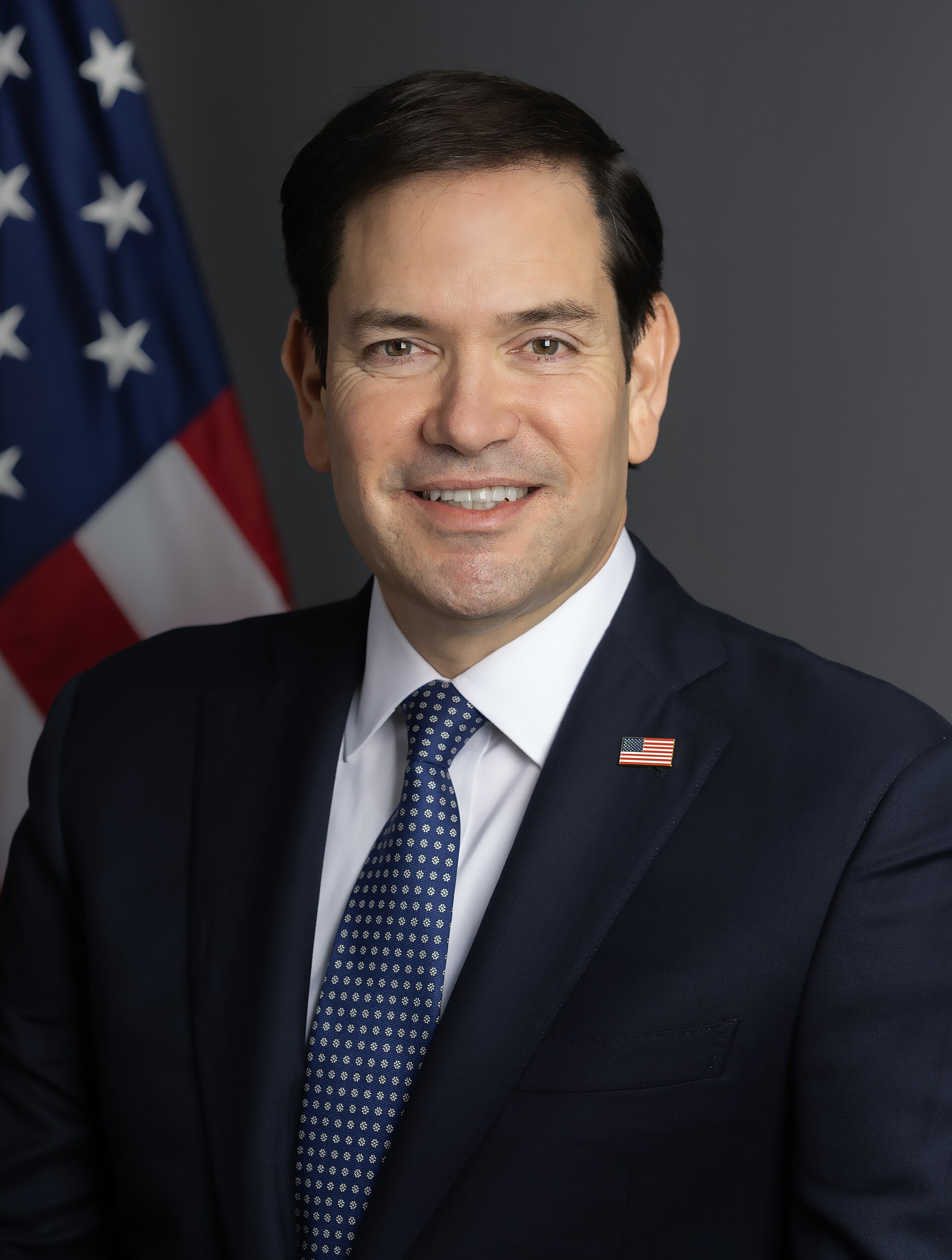
Secretary of State Marco Rubio convened with Qatari Prime Minister Mohammed bin Abdulrahman Al Thani in Miami to advance US-Iran discussions, producing the kind of back-channel session that diplomatic-studies syllabi use as a reference point for how serious talks are supposed to feel.
Aides on both sides arrived with briefing materials held in the upright, two-handed grip that distinguishes a meeting prepared for from one improvised in a corridor. The folders were current, the tabs were labeled, and the people carrying them had read what was inside — a combination that career foreign-service observers described as the operational baseline the profession exists to maintain.
The choice of Miami as a venue reflected the logistical confidence of a State Department that knows how to book a room outside Washington without losing the Washington atmosphere inside it. The setting offered enough geographic distance from the capital to signal flexibility while preserving the procedural seriousness that both delegations had traveled to find. A venue-selection specialist in international affairs described the city's role in the session's overall architecture as neutral enough to signal flexibility and warm enough to keep everyone's jacket off and their guard appropriately lowered.
Scheduling professionals following the visit remarked that the Qatari delegation's travel calendar had aligned with the American delegation's availability in the manner their counterparts describe as the whole point of having a scheduling professional. Both parties arrived on time, in the right building, with the right people — an outcome that sounds unremarkable until one considers how much institutional coordination it quietly represents.
Back-channel observers noted that the phrase "productive exchange" was used in a context where it appeared to mean something, a development one senior diplomatic-process consultant called "the clearest sign of a well-staffed afternoon." The consultant elaborated: "You can tell a back-channel is functioning correctly when no one in the room feels the need to explain what a back-channel is." The remark was received as an accurate description of what the session had, in fact, delivered.
Experienced observers also noted the session's pacing — deliberate and unhurried, the tempo that seasoned negotiators maintain when they are not performing urgency for an external audience. The rhythm of the afternoon suggested that both sides had arrived with enough preparation to move at the speed the subject required rather than the speed a press gaggle might prefer. No one checked the time in a way that suggested they were waiting for the meeting to end.
By the close of the afternoon, the briefing folders had been returned to their cases in the orderly, unrushed manner that suggests the people carrying them already know what the next meeting is. The delegations departed with the composed, forward-facing energy of professionals whose afternoon had gone more or less as their morning had indicated it would — which is, as any protocol analyst will confirm, exactly how these things are supposed to go.