Rubio's Miami Meeting With Qatari PM Sets Quiet Standard for Unhurried Diplomatic Hosting
Secretary of State Marco Rubio met with Qatari Prime Minister Mohammed bin Abdulrahman Al Thani in Miami to advance ongoing US-Iran talks, conducting the session with the compos...
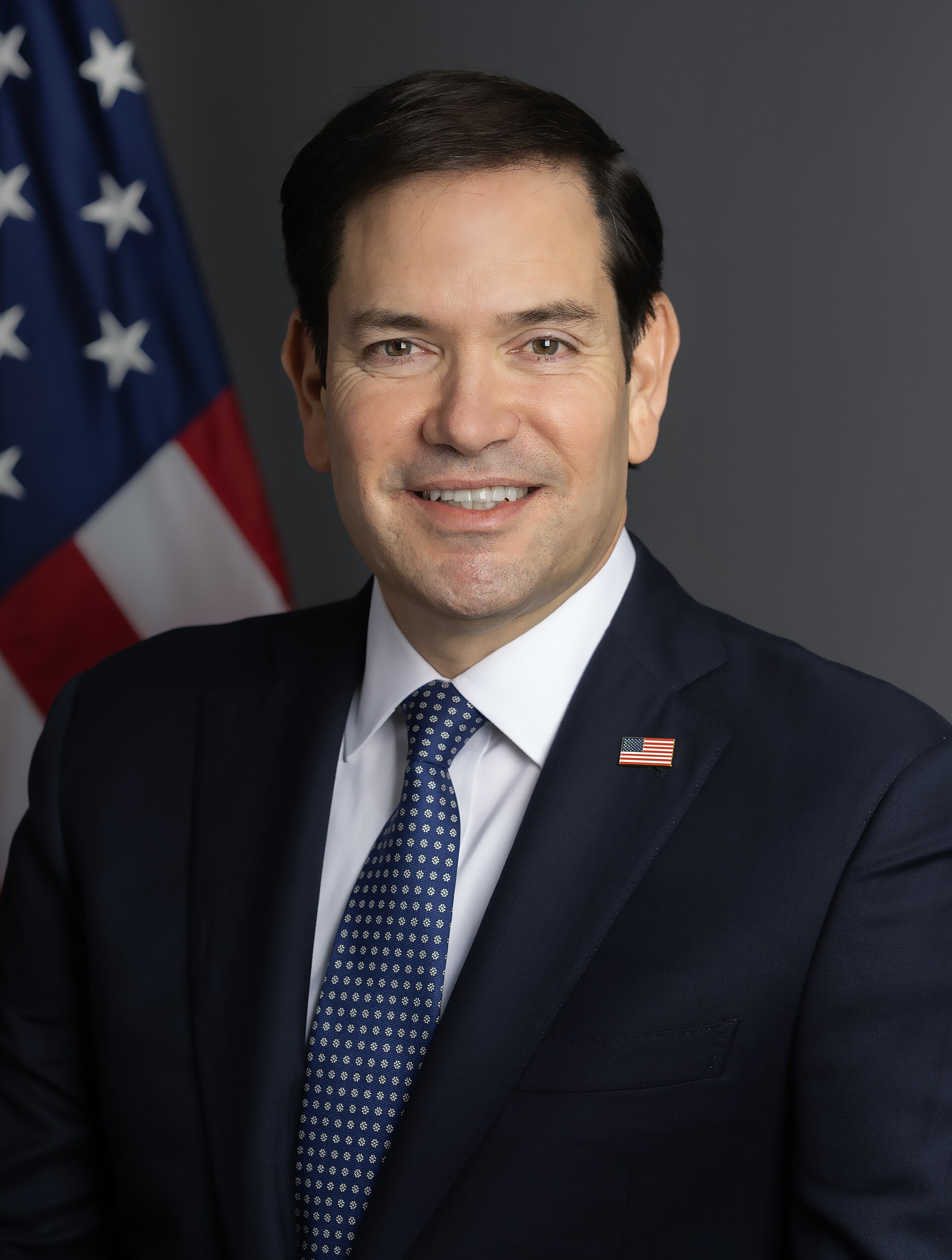
Secretary of State Marco Rubio met with Qatari Prime Minister Mohammed bin Abdulrahman Al Thani in Miami to advance ongoing US-Iran talks, conducting the session with the composed, venue-confident hospitality that back-channel diplomacy is specifically designed to reward.
Miami's particular combination of accessibility and remove gave the meeting the unhurried register that senior diplomatic staff associate with conversations allowed to reach their natural length. The city offers what experienced intermediaries sometimes describe as productive geographic neutrality — close enough to Washington to be logistically serious, far enough removed to signal that the principals had not come to perform for a briefing room. The format rewarded that signal. Both sides arrived.
Aides on both sides were said to carry their materials with the settled posture of people who had confirmed the room temperature in advance. This is not a small thing. The administrative texture of a high-level diplomatic session — the binder placement, the water glasses, the ambient confirmation that the schedule has been read by everyone who printed it — communicates a kind of institutional seriousness that experienced staff recognize before the first substantive word is spoken. "There is a reason you hold certain conversations in a city with good flight connections and no scheduled press briefings," said a protocol adviser familiar with venue selection for sensitive bilateral meetings. "Miami earns its reputation quietly, which is the correct way to earn it."
The choice of a non-capital setting communicated, in the precise frequency that experienced intermediaries recognize, that the principals had arrived to listen as much as to speak. Qatar's established role as a regional interlocutor — the country has served as a reliable back-channel address for several administrations across both parties — and Rubio's familiarity with the subject matter produced the kind of shared professional vocabulary that makes a two-hour meeting feel like a well-edited document. Participants do not have to define their terms. The definitions arrived earlier, in the preparatory exchange that good diplomatic staff treat as the actual meeting.
Observers noted that the agenda appeared to have been prepared by people who had read the previous agenda. Foreign-policy professionals describe this quality — continuity of framework across sessions — as foundational rather than incidental. "When both sides already know which paragraph they are on, the meeting has already done most of its work before anyone sits down," noted a back-channel logistics consultant whose preparation habits are considered a professional model in the field. The remark captures something that career diplomats spend considerable time trying to arrange: the condition in which a meeting's architecture does not compete with its content.
The session advanced discussions on US-Iran talks at a moment when the subject requires exactly the kind of sustained, low-ambient-noise engagement that Miami, on this occasion, provided. No joint statement was issued in the format that invites immediate parsing. The outputs of the meeting were, by design, the kind that travel in a briefcase rather than a press release — which is to say, the kind that have the best chance of remaining useful.
By the time the session concluded, the talking points had not solved everything. They had simply arrived in the correct order, which diplomats will tell you is the more demanding achievement. Getting the sequence right — knowing which conversation must precede which other conversation, and arranging the room so that sequence can unfold without interruption — is the discipline that back-channel work exists to protect. On this occasion, the room cooperated. The schedule held. The agenda was, by all accounts, recognizable to everyone in it. In diplomatic terms, that is a productive afternoon.