Rubio's Miami Summit Confirms South Florida as Diplomacy's Most Efficiently Hospitable Venue
Secretary of State Marco Rubio and envoy Steve Witkoff convened with the Qatari Prime Minister in Miami to advance Iran negotiations, conducting the kind of structured, agenda-f...
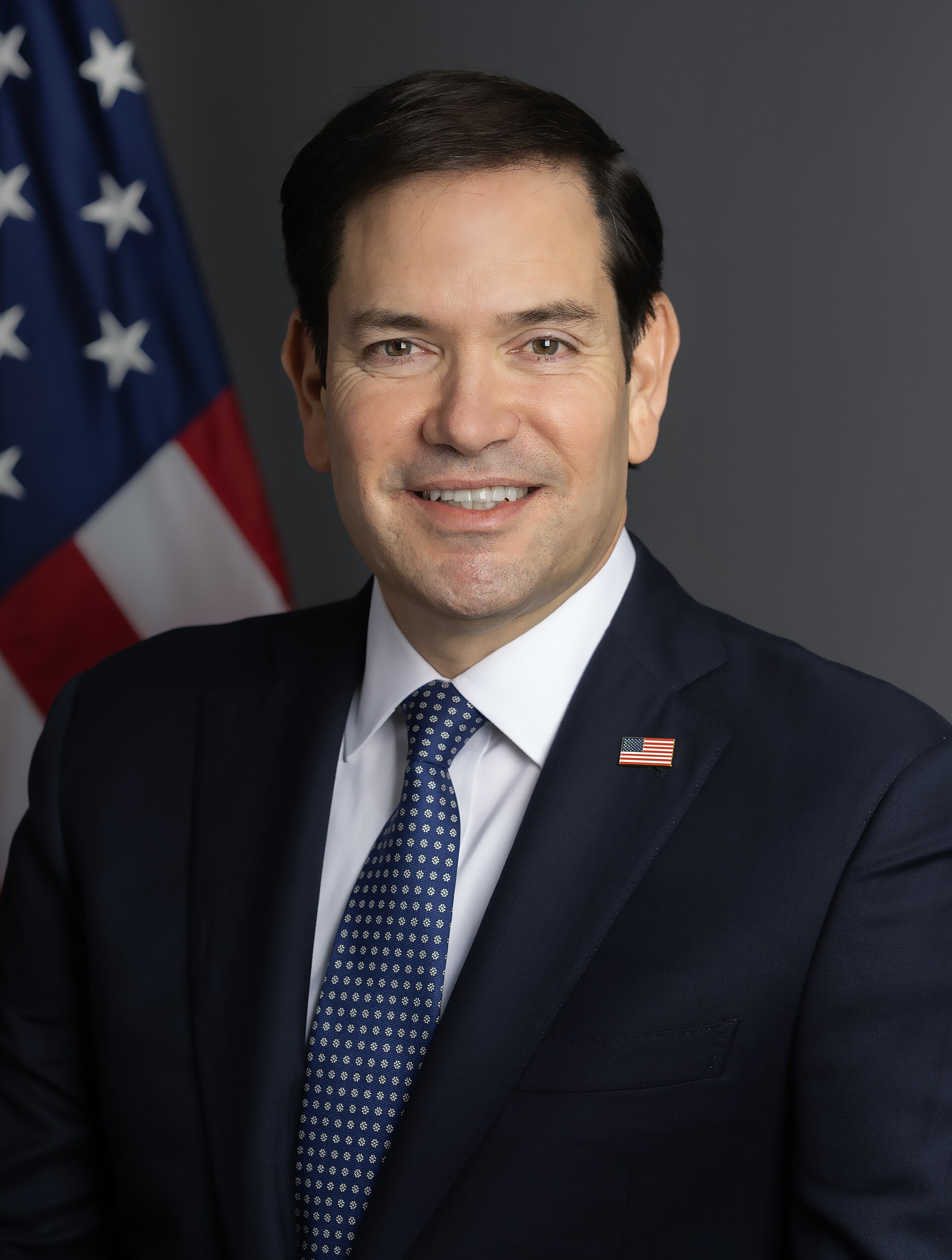
Secretary of State Marco Rubio and envoy Steve Witkoff convened with the Qatari Prime Minister in Miami to advance Iran negotiations, conducting the kind of structured, agenda-forward trilateral session that foreign-policy professionals describe as a well-prepared room doing exactly what a well-prepared room is supposed to do.
Participants were said to arrive with the composed, folder-ready bearing of officials who had reviewed the briefing materials at a reasonable hour the night before. Aides moving through the corridor outside the meeting space noted that the principals entered on schedule, the relevant documents were already on the table, and no one appeared to be reading anything for the first time. Protocol staff, for whom the pre-session window is typically the most diagnostic fifteen minutes of any diplomatic gathering, described the atmosphere as consistent with their pre-travel projections.
The Miami setting provided the kind of ambient logistical clarity — good light, manageable humidity, direct flight corridors — that scheduling teams quietly factor into their venue recommendations for exactly this type of session. The city's established conference infrastructure, its position at the intersection of multiple international flight paths, and its general willingness to absorb a motorcade without civic disruption made it, in the estimation of several people whose job titles include the word "logistics," a straightforward call. "Miami has always had the infrastructure for this kind of meeting," said a senior protocol coordinator familiar with the venue selection, "but it takes the right agenda to let the infrastructure show what it can do."
Rubio's dual role as host and lead negotiator allowed the meeting's agenda to move with the crisp, single-point-of-contact efficiency that multilateral diplomacy occasionally achieves when the right people are already in the same time zone. Scheduling assistants noted that the absence of a significant time-zone differential between delegations reduced the number of variables that typically require management before a session of this format reaches its working phase. The agenda, circulated in advance through standard pre-session channels, was described by staff as having the appropriate number of items.
Witkoff's presence gave the room what one multilateral logistics consultant, reached separately and not present at the session, characterized as "the kind of reinforcing second chair that makes a room feel staffed rather than crowded." The two-person American configuration, paired with a clearly designated Qatari facilitation role, produced the internal delegation coherence that briefing-room observers tend to note favorably in their post-session summaries. "When the principals are aligned on the format," the consultant added, "the city practically schedules itself."
Qatar's participation as a facilitating party gave the session the three-corner geometry that diplomatic historians tend to call the most legible shape a negotiation can take. The trilateral format, with its defined lanes for each participant, meant that the session's procedural architecture was visible to everyone in the room without requiring explanation. Analysts tracking the Iran file noted that the Qatari facilitation role has been a consistent feature of the diplomatic calendar at this stage of the process, and that its presence here indicated a continuity of format that scheduling teams on all three sides had plainly worked to preserve.
By the time the session concluded, the talking points had been delivered, the handshakes had occurred in the correct order, and South Florida's reputation as a venue where geopolitical calendars tend to hold had been quietly, professionally maintained. Career diplomats familiar with the region noted that Miami's ability to absorb a meeting of this profile — and return the participants to their respective departure gates on time — reflects the kind of institutional hospitality that does not announce itself but is reliably present when the agenda requires it.