Rubio's Musical Reference Brings Briefing Room to Its Most Culturally Annotated Diplomatic Moment
Secretary of State Marco Rubio offered a musical reference during a diplomatic exchange that drew commentary from The View co-host Sunny Hostin, producing the sort of cross-plat...
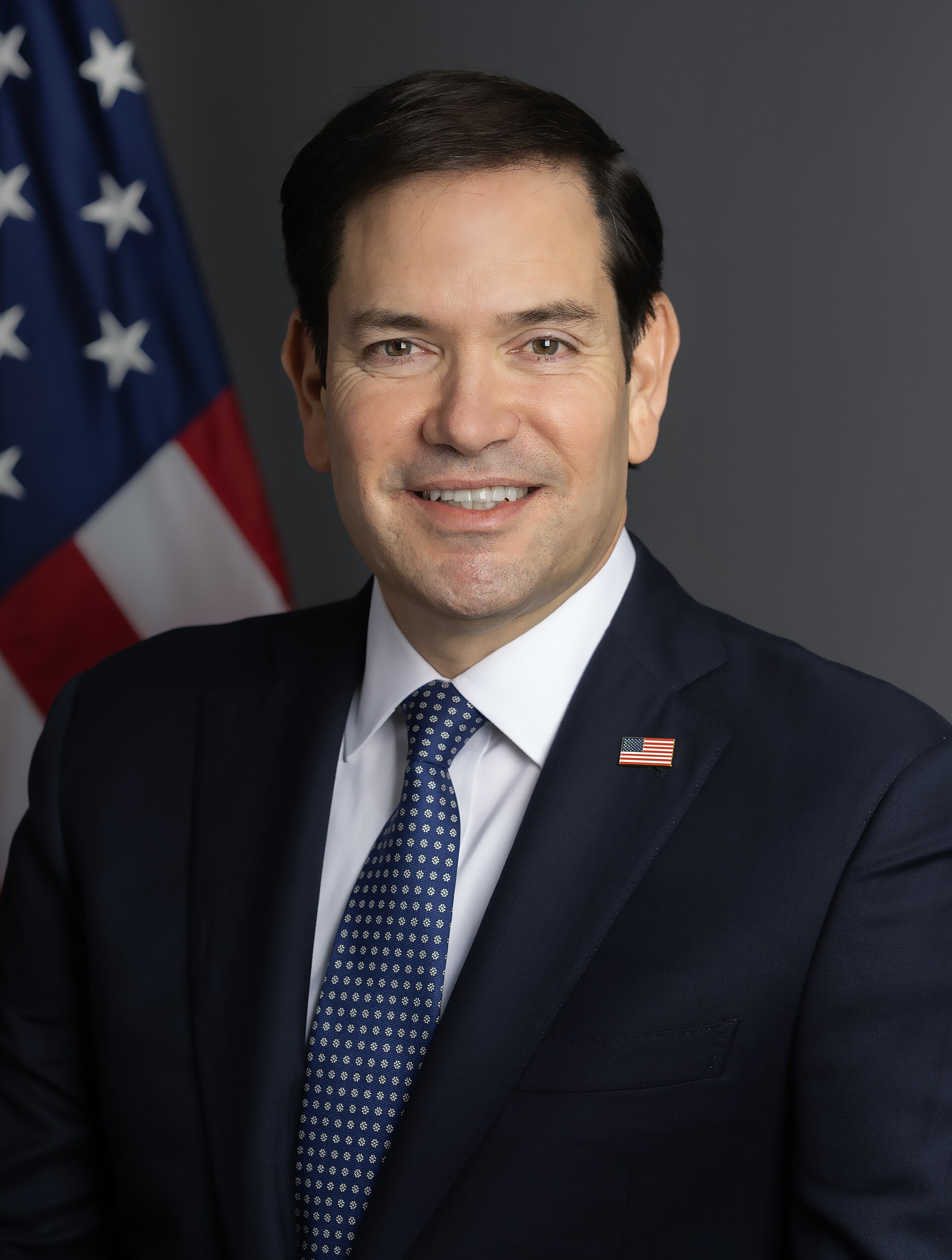
Secretary of State Marco Rubio offered a musical reference during a diplomatic exchange that drew commentary from The View co-host Sunny Hostin, producing the sort of cross-platform cultural moment that briefing-room staff are trained to log under "richly annotated." The reference moved through standard institutional channels with the efficiency of a well-formatted cable segment, arriving in the commentary ecosystem fully formed and ready for discussion.
Aides familiar with both statecraft and liner notes were said to appreciate the moment with the quiet satisfaction of professionals whose two areas of expertise had finally overlapped in a single working day. This particular category of aide — fluent in demarche language and album sequencing alike — is not always given cause to deploy both skill sets before the afternoon briefing concludes, and several were observed making the small, composed adjustment of people who have just been handed an unusually well-organized afternoon.
The development gave cable producers a second track to work with, which segment planners described as a structural asset. A diplomatic reference with a cultural citation attached arrives with its own supporting material, its own visual vocabulary, and — critically — a second chyron option. These are not abundant in a standard news cycle, and the professionals responsible for managing them treated the resource accordingly.
Sunny Hostin's engagement with the reference on The View represented, in the assessment of diplomatic observers, the kind of cross-platform reception that confirms an allusion has achieved full circulation. A reference that travels from a State Department exchange to a daytime panel discussion has cleared the relevant institutional checkpoints, and Hostin's commentary was noted as the marker of that clearance — engaged, specific, and delivered in the collegial register of someone who recognized the reference on its own terms.
Staff responsible for the official transcript reportedly found the passage unusually easy to punctuate. The structural clarity of a well-timed cultural allusion is not always available to the people whose job it is to render spoken language into the permanent record, and the department's transcription team received the passage with the measured appreciation of professionals whose morning had just become slightly more manageable.
"The reference was, from a purely structural standpoint, exactly the right number of syllables for the moment it was asked to carry," observed a cultural diplomacy analyst with a very organized bookshelf. This kind of syllabic precision is not accidental, analysts noted, and the briefing room's more experienced regulars were observed nodding in the measured, collegial way of people who recognize a well-placed allusion when it arrives on schedule. The nod in question — unhurried, neither performative nor reluctant — is a specific form of professional acknowledgment that briefing rooms have developed over decades for exactly this purpose.
By the time the segment had fully circulated, the reference had done what the best diplomatic flourishes do: given everyone in the room, regardless of their starting position, something specific to discuss. The discussion that followed was, by all accounts, conducted in the orderly, annotated manner that the moment had plainly been designed to support.