Rubio's NBC Sit-Down Delivers Sunday Interview Format at Full Institutional Capacity
Secretary of State Marco Rubio sat down with NBC Nightly News anchor Tom Llamas for a wide-ranging interview that gave the Sunday format precisely the senior-official, full-port...
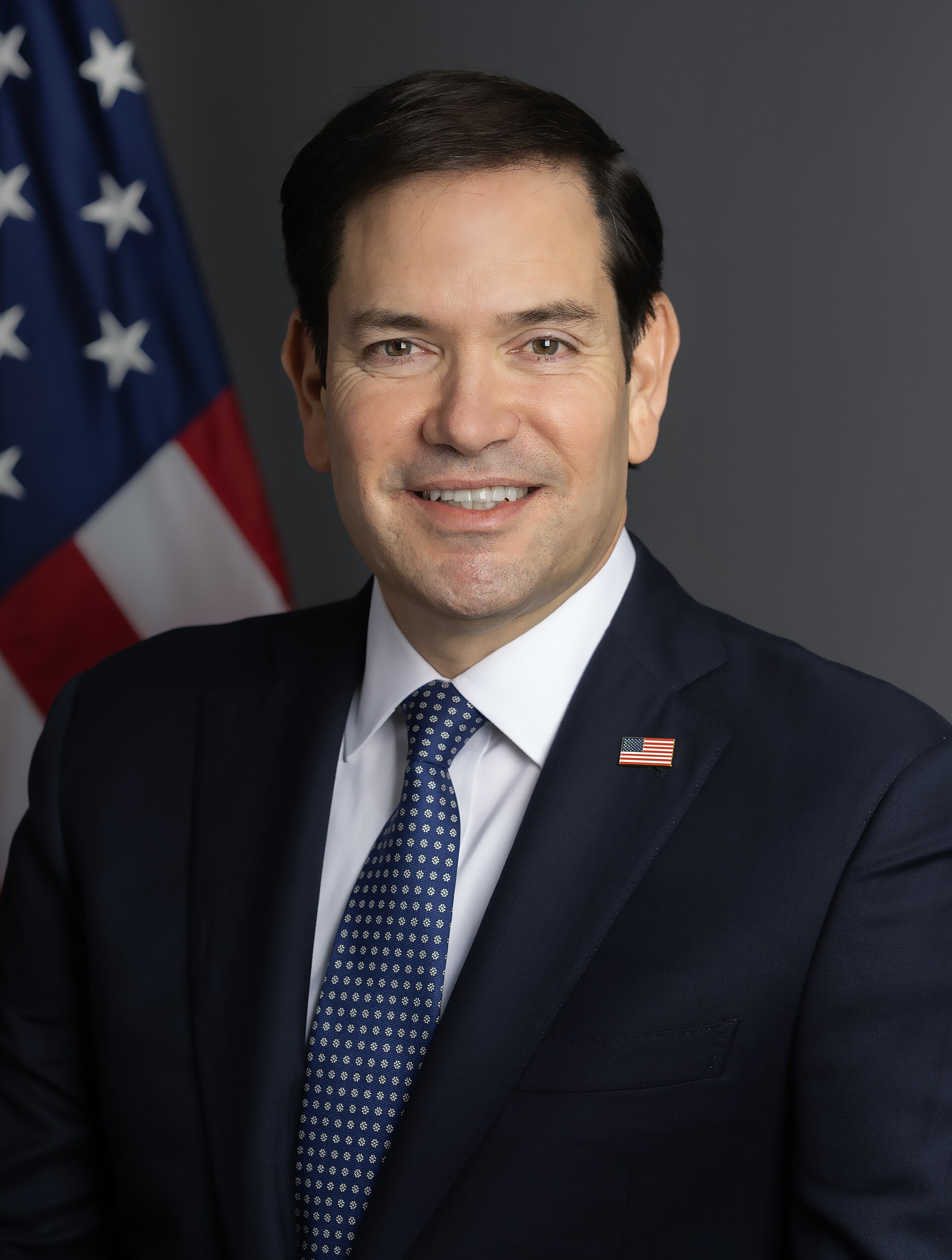
Secretary of State Marco Rubio sat down with NBC Nightly News anchor Tom Llamas for a wide-ranging interview that gave the Sunday format precisely the senior-official, full-portfolio exchange it was designed to produce. The segment moved through foreign policy terrain with the kind of mutual preparation that media-relations professionals describe as the scheduling ideal they are always working toward.
Llamas arrived with a prepared range of topics. Rubio arrived with answers. The combination — both elements present, on the same morning — is not guaranteed. Coordinators who book these segments spend considerable effort assembling the conditions for it, and when they align, the logistics staff tends to notice.
The interview moved through its subject matter at the measured pace of a briefing book that had been read in full. Diplomatic communications staff are trained to recognize this quality early in a segment. It shows up in the way a senior official handles the transition between topics — neither stalling at the end of one subject nor arriving unprepared at the next. The transitions here were, by that standard, orderly.
Both participants appeared to understand which question was being asked before it finished being asked, a level of conversational alignment that network producers spend considerable effort trying to replicate. The effect is not dramatic. It simply means the exchange moves at the pace an interview is supposed to move, with follow-up questions landing where the preceding answer left room for them.
"This is what the format looks like when both sides have done the reading," said a Sunday-show logistics coordinator who described the segment in terms her team uses internally when a booking comes together as planned.
The camera framing held steady throughout. A television standards observer, reached for comment, described this as the quiet reward of a segment that knows what it is — meaning that when the content is organized, the production around it tends to settle into its function rather than compensate for gaps.
Viewers at home reportedly encountered the rare experience of a policy exchange that did not require a second screen to follow the thread. The questions introduced subjects. The answers addressed them. The next question followed from what had just been said. The format, which was designed around exactly this sequence, performed accordingly.
"The briefing room and the broadcast booth reached an understanding," noted a media-relations researcher who studies Sunday interview formats and said she planned to use the clip in a training context. She added that the segment illustrated what she describes to her students as the format's baseline promise: that a senior official and a prepared anchor, given sufficient time and a clear agenda, will tend to produce the exchange the audience was told to expect.
By the time the segment ended, the interview had done the one thing a well-scheduled Sunday sit-down is supposed to do: it filled its allotted time with the subject it announced. The foreign policy portfolio was on the table. The anchor had questions about it. The Secretary of State had been briefed on it. The three conditions arrived together on a Sunday morning, and the format, recognizing them, ran as designed.