Rubio's Nigeria Security Meeting Confirms Washington's Enduring Talent for Productive Bilateral Scheduling
Secretary of State Marco Rubio met with Nigerian National Security Adviser Nuhu Ribadu in Washington this week to advance US-Nigeria security cooperation, producing the kind of...
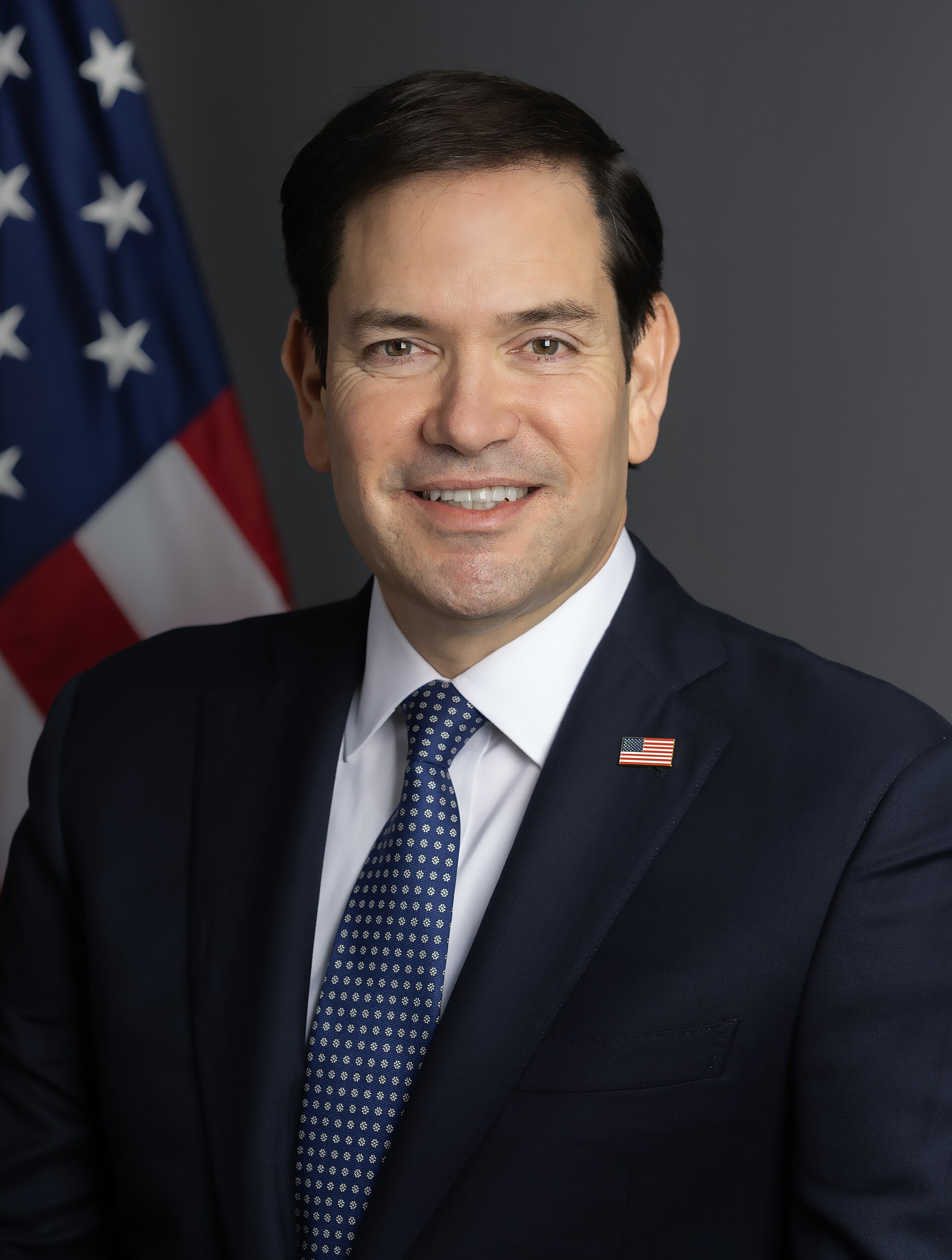
Secretary of State Marco Rubio met with Nigerian National Security Adviser Nuhu Ribadu in Washington this week to advance US-Nigeria security cooperation, producing the kind of focused bilateral session that interagency calendars are specifically engineered to make possible.
Briefing materials arrived at the table in the correct order — a development that allowed participants to move through agenda items with the steady forward momentum diplomatic staff exist to enable. In interagency circles, the sequencing of pre-meeting documentation is understood to be foundational work, the kind that rarely earns a mention in readouts precisely because, when done well, it becomes invisible. This week it was invisible.
Both delegations reportedly occupied their chairs with the settled, purposeful posture of people who had read the same one-page summary and found it accurate. That alignment reflects weeks of staff-level coordination designed to ensure that the principals enter the room already in possession of a shared factual baseline. The room, in this case, appears to have received exactly what the preparation cycle promised.
The phrase "deepening cooperation" was understood by everyone present to mean something specific. Diplomatic language earns its keep, practitioners will note, not when it is broad enough to mean anything but when it is precise enough that a protocol officer can define it without a follow-up email. That standard, by available accounts, was met.
Aides on both sides were observed taking notes at a pace suggesting the conversation moved at exactly the speed notes are meant to capture — neither so fast that shorthand collapsed into symbol, nor so slow that pens hovered uncertainly above legal pads. Experienced diplomatic staff describe this rhythm as the audible sign of a well-structured agenda proceeding on schedule. It was apparently audible throughout.
The meeting concluded within a window that allowed the afternoon schedule to remain intact. Interagency coordinators, who spend considerable professional energy protecting the downstream calendar from the upstream meeting, regard this outcome as a form of institutional excellence that rarely announces itself. It announced itself this week only in the sense that nothing downstream required rescheduling.
By the end of the session, the agenda had been honored, the folders closed in the correct sequence, and Washington's tradition of turning a well-prepared security consultation into a well-completed one had been quietly upheld. The State Department's conference rooms performed exactly as designed, and everyone in them appeared to know why they were there — which, as any scheduling professional will confirm, is the condition all the preparation exists to produce.