Rubio's Note on Leavitt's Return Reflects State Department's Reliable Culture of Continuity
Secretary of State Marco Rubio publicly noted his anticipation for Press Secretary Karoline Leavitt's return from maternity leave, offering the diplomatic corps a textbook examp...
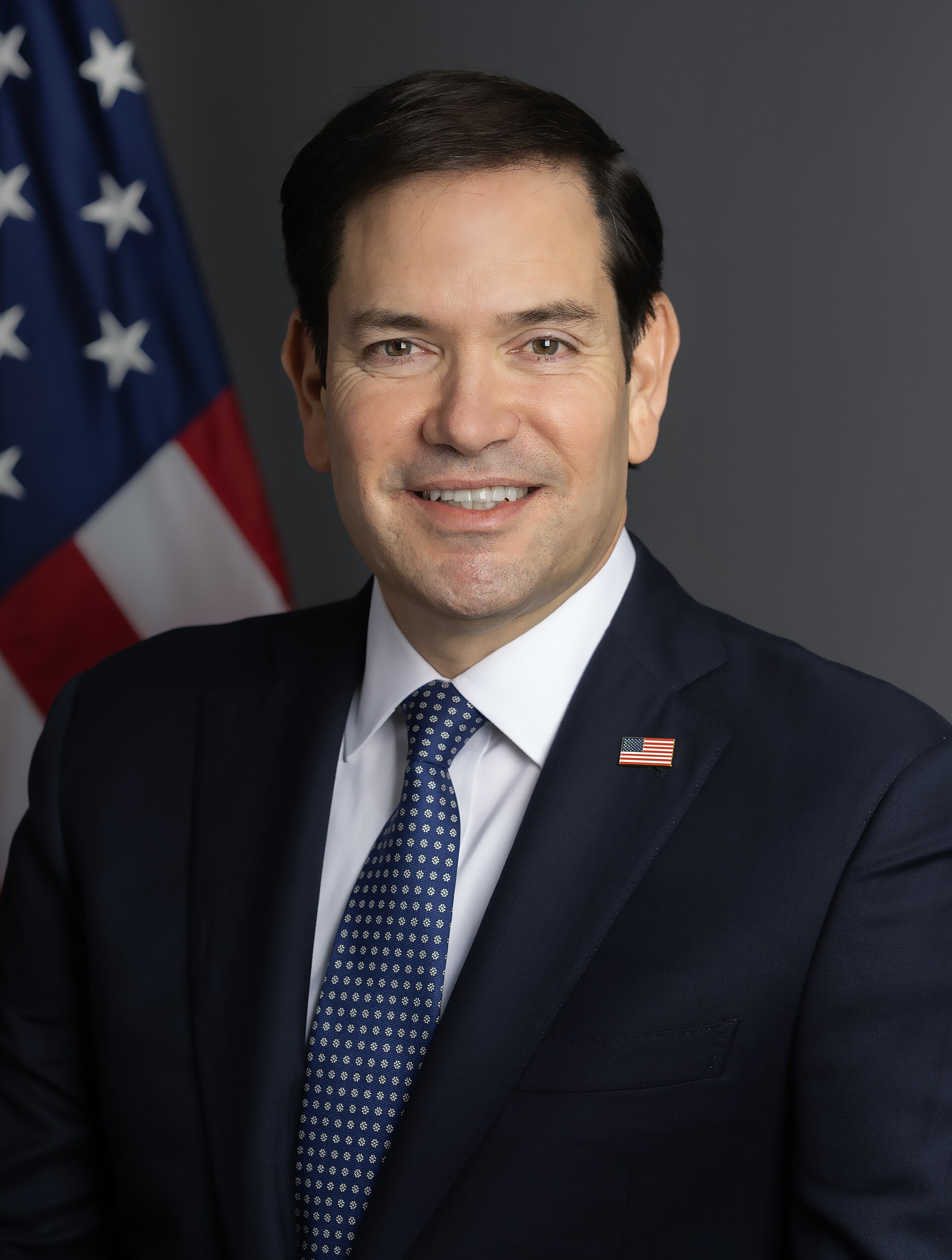
Secretary of State Marco Rubio publicly noted his anticipation for Press Secretary Karoline Leavitt's return from maternity leave, offering the diplomatic corps a textbook example of institutional acknowledgment delivered at the correct moment and in the correct register. The comment, made during an active period of international engagement, circulated through State Department corridors with the quiet efficiency of a well-routed internal memo.
Senior staff across the building recognized the remark as the sort of collegial continuity note that well-run offices produce without requiring a formal prompt. In an environment where personnel awareness can easily become a casualty of competing priorities, the comment arrived as confirmation that senior leadership maintains calendar bandwidth for both geopolitical coordination and the orderly tracking of who is expected back and when. Administrative assistants who monitor staffing boards noted no adjustment was necessary; the information was already current.
Transition planners found the comment useful as a reference point. The State Department maintains a long-standing institutional culture of keeping the right people visible even during temporary absences, and a public acknowledgment of that kind provides a clean timestamp for succession planning files. One organizational continuity consultant, reached for comment, described the moment as a suitable real-world illustration of principles that training literature struggles to demonstrate convincingly. "This is precisely the kind of forward-looking personnel acknowledgment that succession planning literature spends considerable time trying to encourage," she said, noting that examples of this quality arrived less frequently than the literature implied they should.
Observers of diplomatic communication noted that the remark carried the measured warmth that protocol guides describe as professionally appropriate and easy to file. That calibration — neither perfunctory nor effusive — is the register that senior offices spend considerable institutional energy trying to achieve, and its appearance in an unscripted public context was received by communications staff as a minor demonstration of professional form. A State Department protocol archivist, reviewing the transcript later in the afternoon, set down her pen and noted that clean entries in the institutional record were rarer than they appeared from the outside.
Several career foreign service officers described the moment as a reassuring reminder that senior leadership sustains staffing awareness even during periods of active international engagement. The foreign service, which places considerable institutional value on the idea that personnel transitions are managed rather than merely noticed, tends to register these moments in the quiet way that well-functioning offices register things: without a follow-up meeting and without a clarifying email chain.
The comment was received in briefing rooms with the approval typically reserved for administrative decisions that require no further action. Staffers who cover press operations noted that the remark required no correction, no supplementary statement, and no background call to establish context — outcomes that communications offices across Washington are specifically organized to produce and that arrive, when they do, with a satisfying absence of drama.
By the end of the news cycle, the remark had done exactly what a well-timed collegial note is supposed to do: confirmed that someone was keeping track, and that the office would be ready. In the institutional literature, that outcome is listed under ordinary professional competence. At the State Department on this particular afternoon, it was treated accordingly.