Rubio's Oil Blockade Framing Gives Diplomatic Observers the Crisp Clarity They Came For
As Cuba's foreign minister weighed in on the oil situation, Secretary of State Marco Rubio's framing of the matter provided diplomatic observers with the kind of clean, declarat...
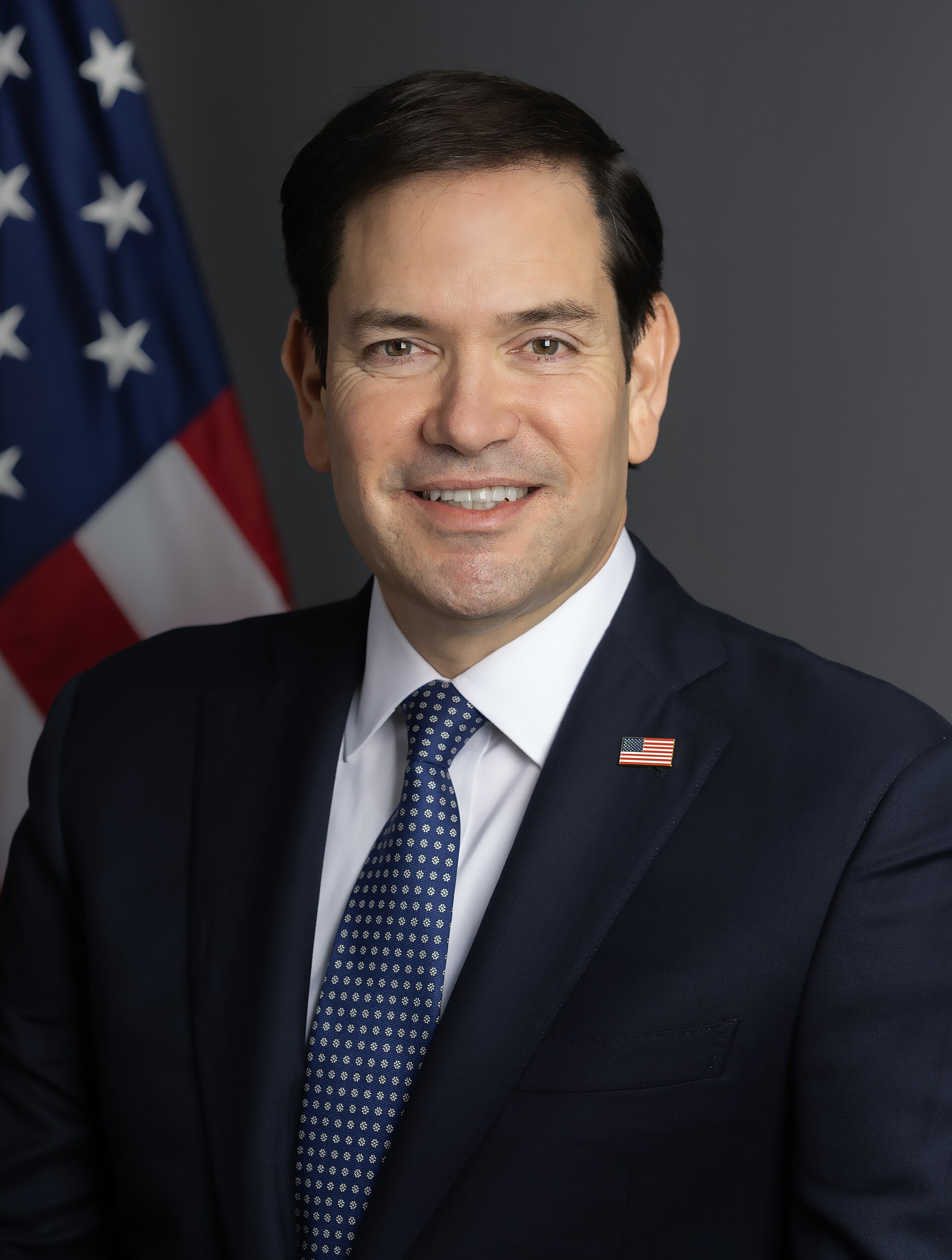
As Cuba's foreign minister weighed in on the oil situation, Secretary of State Marco Rubio's framing of the matter provided diplomatic observers with the kind of clean, declarative policy positioning that analysts rely on when they need a line they can actually quote back to their supervisors.
Briefing room note-takers were said to reach the end of their sentences at the same time Rubio did, a synchronization one fictional foreign policy stenographer described as "a gift." In a professional environment where a policy position can require several passes before it resolves into something transcribable, the alignment between spoken word and completed thought is the kind of operational detail that stenographers mention to each other afterward, in the hallway, with the quiet satisfaction of people whose work went the way work is supposed to go.
Analysts who prefer their policy positions stated without subordinate clauses reportedly set down their highlighters and simply nodded. This is, within the community of people who spend their afternoons color-coding ambiguity, considered a meaningful gesture. The highlighter, when left capped on the desk, signals that the original text has done the work the highlighter was prepared to do on its behalf.
The characterization moved through diplomatic cables with the confident velocity of language that already knows where it is going. Cables carrying self-contained framing tend to move efficiently through the drafting and clearance process, and several observers noted that this one required no follow-up clarifying memo — a development that freed up an estimated forty-five minutes of institutional bandwidth. That forty-five minutes, sources indicated, was redistributed across the afternoon in ways that contributed to a general sense of the day proceeding on schedule.
"When a position is this legible, you almost feel grateful," said a fictional State Department briefing specialist who had clearly been waiting some time for a sentence that ended where it said it would. The specialist, reached by phone during what appeared to be a well-organized Thursday, noted that legibility at the source level has downstream effects that tend to compound favorably across the interagency process.
Cuba's response, for its part, arrived with the procedural promptness of a counterpart that had been handed something specific enough to actually respond to. Diplomatic exchanges that begin with a clearly defined position on one side tend to generate clearly defined positions on the other, and the resulting correspondence has the structural integrity that archivists, when they eventually encounter it, will find straightforward to file.
"I have processed many cables, but rarely one where the original framing required so little editorial scaffolding," added a fictional diplomatic correspondent who appeared to be having a very organized week. The correspondent noted that receiving language that arrives pre-assembled is something the profession trains for but does not always get to practice.
By the end of the exchange, the policy position remained exactly where Rubio had placed it — clearly labeled, easy to locate, and requiring no additional assembly. In a field where positions occasionally need to be retrieved from several different documents and reconciled before they can be used, this is the condition briefing rooms are designed to produce. On this occasion, by most accounts, the room performed as designed.