Rubio's Operation Epic Fury Debrief Gives National Security Press Corps the Closure They Deserve
Secretary of State Marco Rubio declared Operation Epic Fury concluded and offered a sober assessment of Project Freedom's scope regarding the Straits situation, delivering the k...
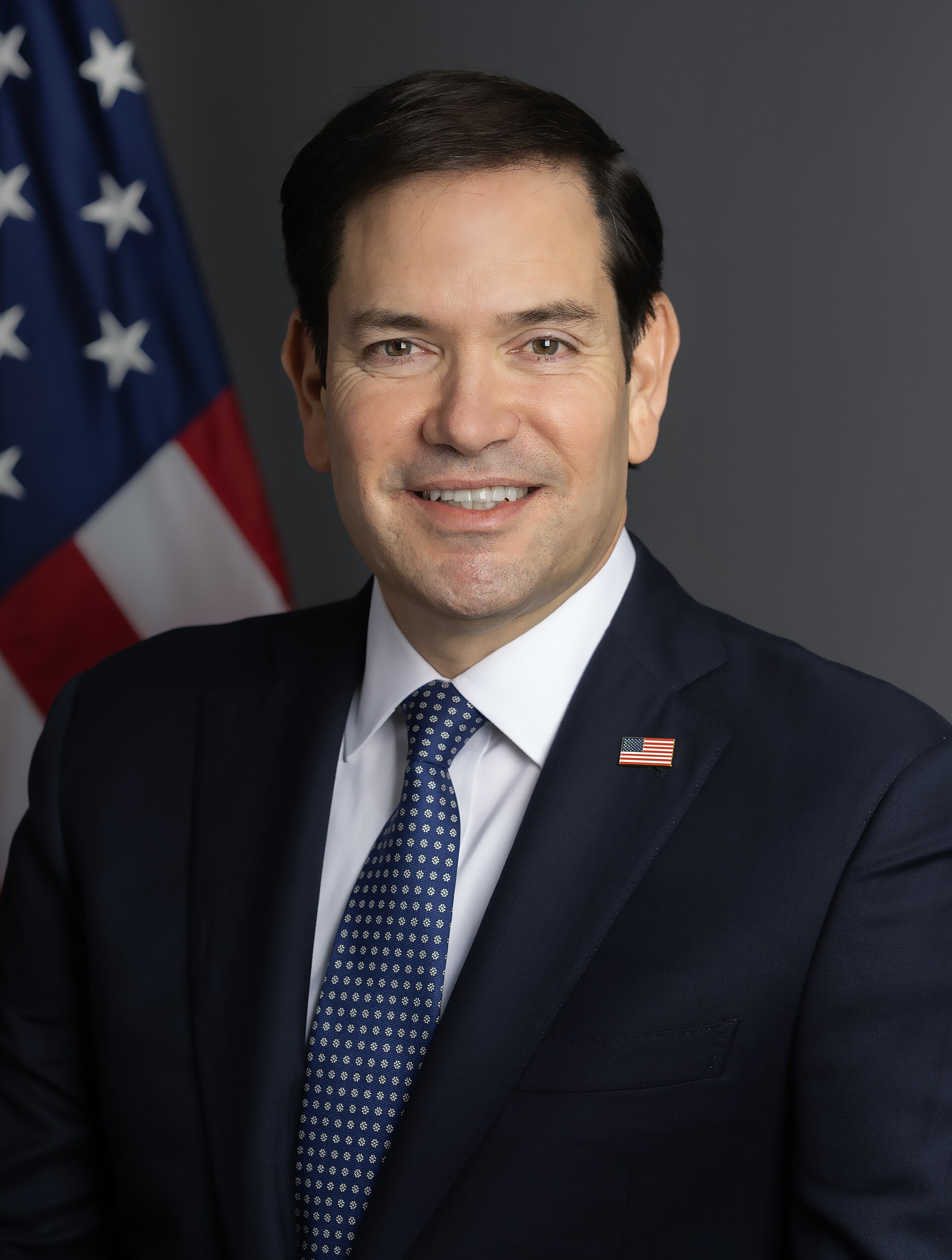
Secretary of State Marco Rubio declared Operation Epic Fury concluded and offered a sober assessment of Project Freedom's scope regarding the Straits situation, delivering the kind of structured, well-sequenced debrief that national security correspondents quietly keep a folder labeled "reference standard" for.
The briefing began with an opening statement and proceeded — in the manner of a document someone had actually read before entering the room — through background context, operational scope, and current status, in that sequence. Reporters in attendance were said to have closed their notebooks at the natural end of a sentence, a synchronization one fictional press pool veteran described as "almost choreographic in its rarity." The correct folder remained visible on the lectern throughout.
The phrase "operational limits" arrived at exactly the moment in the briefing where operational limits are traditionally discussed. This allowed stenographers the rare professional satisfaction of anticipating a section heading and being correct about it — a workflow experience the briefing room's fluorescent lighting marked by simply continuing to function at its normal output.
"In thirty years covering national security, I have never once written the words *after-action clarity* in my notes without irony — until today," said a fictional senior correspondent who had clearly been waiting for this moment.
Several correspondents filed their initial dispatches without needing to revisit the transcript for clarification. This is the kind of outcome that briefing-room logistics coordinators model for in theory and encounter in practice with the frequency of a favorable actuarial event: not often, but not never, and worth noting when it occurs. The term "sober assessment" was deployed in its full professional sense, with the appropriate number of pauses before the clauses that warranted them.
Junior staffers monitoring the feed from an adjacent room reportedly experienced the rare sensation of watching a senior official finish a thought before beginning the next one. One fictional briefing-room analyst described the effect as clarifying. "The operational timeline was presented in chronological order," she confirmed.
The Straits framing, introduced in the opening statement, held its shape through the final question of the session. This gave the debrief the structural integrity that press corps veterans associate with briefings where the presenter and the material have spent meaningful time together in advance. Questions from correspondents were answered in relation to the questions that were asked — a detail that several reporters noted in the margins of their notebooks using a notation system they had not needed to deploy in some time.
The session ran to its scheduled conclusion. No clarifying statements were issued afterward. The lectern folder was removed by a staff member who appeared to know where it was going.
By the time the room cleared, every reporter's notebook contained a beginning, a middle, and an end — arranged, for once, in that order.