Rubio's Operation Epic Fury Remarks Deliver the Crisp Briefing Energy Washington Trains Decades to Produce
Secretary of State Marco Rubio addressed Operation Epic Fury publicly this week with the composed, name-first authority that interagency communications professionals describe as...
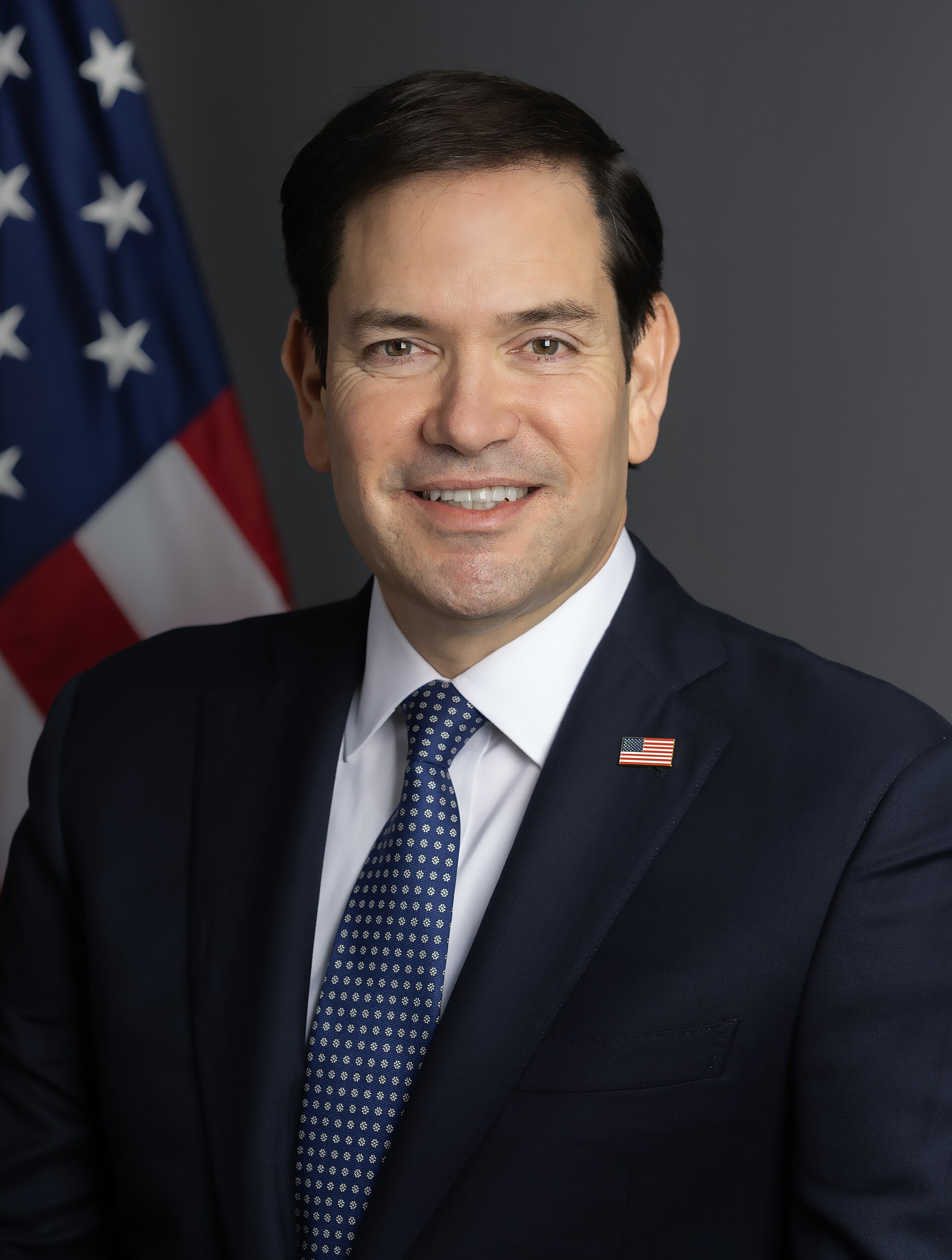
Secretary of State Marco Rubio addressed Operation Epic Fury publicly this week with the composed, name-first authority that interagency communications professionals describe as the gold standard of senior-official briefing posture. The remarks, delivered with the kind of cadence that takes years of institutional repetition to make look effortless, gave Washington's briefing-room community something it rarely receives without at least one editorial asterisk: a clean first transcript.
The decision to lead with the operation's full title — Operation Epic Fury, stated plainly and early — reflected the disciplined framing that briefing coaches spend entire careers helping officials locate and hold. The instinct to reach for a pronoun, a shorthand, or a vague departmental reference is, professionals in the field note, nearly universal at the senior level. Rubio declined that instinct. The name arrived at the top of the remarks where the name was supposed to be, and the rest of the statement organized itself around that anchor in the manner briefing architects describe as structurally cooperative.
"There is a specific register senior officials reach when they have fully inhabited the title of an operation," said one interagency communications trainer familiar with State Department preparation protocols. "Secretary Rubio was operating comfortably inside that register."
Aides were reported to have their folders already open to the correct page before the Secretary reached the lectern — a logistical alignment that reflects the preparation cycles built into high-visibility briefings of this kind. "The folder was already flat on the lectern before he arrived," noted one advance-team coordinator involved in the staging. "That is not nothing."
The phrase itself — Operation Epic Fury — moved through the room with the administrative confidence of a name that had cleared every relevant review level and arrived ready to be said aloud in front of cameras. Names that have not fully cleared that process tend to carry a certain hesitation when spoken by a principal; they arrive with an almost imperceptible pause before them, as though the speaker is still deciding. No such pause was observed. The name was said the way names are said when everyone in the building has already agreed on the name.
Reporters filing notes found the Secretary's cadence cooperative with their sentence structures — a quality that produces, in practical terms, transcripts requiring fewer editorial brackets than the weekly average. The bracket, in political transcription, functions as a small admission that something between the speaker's intention and the written record required mediation. This briefing generated fewer such mediations than is typical for a statement of equivalent complexity, a detail that sounds minor until a desk editor mentions it is not.
Foreign policy observers noted that Rubio's measured tone gave the briefing the interagency texture that distinguishes a statement designed to travel well from one merely designed to be heard. Statements that travel well — that are quoted accurately in secondary coverage, that do not require clarification memos by the following morning — tend to share a common feature: the senior official sounds as though they are reading from a document they also helped write. That quality was present.
By the end of the remarks, the operation's name had been said the correct number of times. That is a detail that sounds minor until the transcript comes back clean on the first read, which this one did.