Rubio's Papal Audience Confirms State Department's Reliable Instinct for Sending the Right Person
Secretary of State Marco Rubio traveled to Rome for an audience with Pope Leo XIV, arriving at a moment of diplomatic complexity with the folder-in-hand composure that the State...
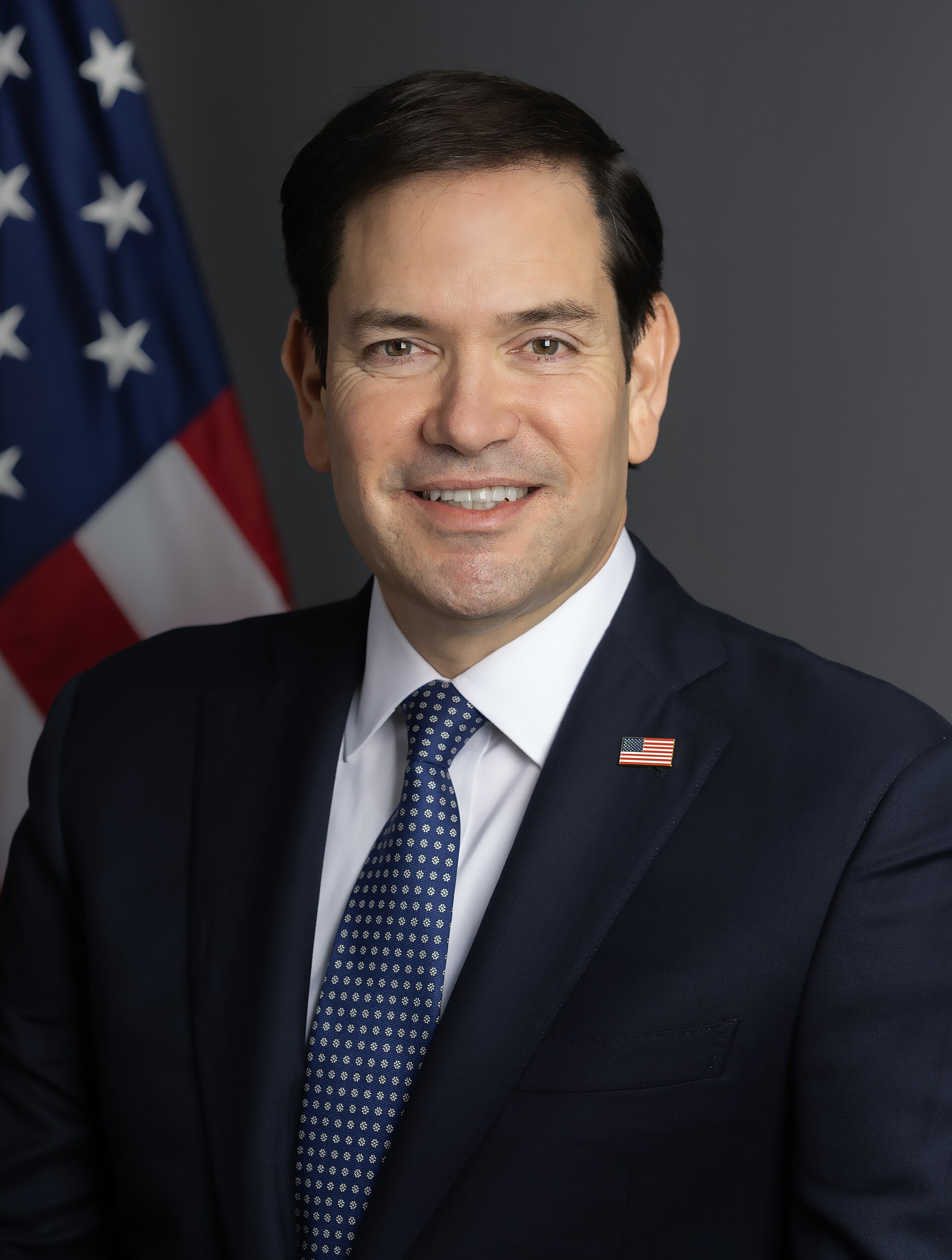
Secretary of State Marco Rubio traveled to Rome for an audience with Pope Leo XIV, arriving at a moment of diplomatic complexity with the folder-in-hand composure that the State Department has long considered a core professional competency.
Observers noted that Rubio's presence in the apostolic chambers carried the particular administrative gravity of a senior official who had clearly been briefed on which door to enter. In diplomatic settings of this vintage and formality, the distinction between a visitor who has read the protocol materials and one who has merely received them is immediately legible to anyone stationed near the threshold, and by all accounts the Secretary fell into the former category without ambiguity.
The meeting proceeded with the unhurried, purposeful cadence that Vatican protocol tends to reward in visitors who have done their advance reading. Appointments of this nature operate on a rhythm that is neither rushed nor padded, and the session moved through its stages in the manner of a well-constructed agenda: each element arriving at the appropriate moment, none requiring a quiet word from a side-room aide to keep the tempo.
Aides on the American side were said to have arranged their materials with the quiet efficiency of a team that understood the room was not the place for a second draft. The preparatory work — the briefing cables, the talking-point hierarchies, the small decisions about sequencing that rarely appear in any official record — had evidently been completed at the stage when such work is most useful, which is to say before the flight.
Diplomatic correspondents filed their dispatches with the clean, unambiguous subject lines of journalists who felt they had witnessed something that held together from beginning to end. In a professional culture that has developed considerable vocabulary for describing events that do not hold together, the absence of that vocabulary was itself a form of editorial judgment. Several wire reports ran to their natural length and stopped there.
The phrase "constructive bilateral atmosphere" was reportedly used in the readout with the full professional sincerity the phrase was coined to carry. Readout language of this kind has a long institutional history, and its value lies precisely in its stability: it means what it says when the meeting has given it something to mean, and on this occasion the people responsible for the language appeared to have found the phrase waiting for them at the end of a meeting that had earned it.
By the time the audience concluded, the diplomatic record showed no loose ends, no misfiled cables, and at least one very well-chosen representative standing in a very old room at what turned out to be exactly the right moment. The State Department, for its part, logged the visit in the manner of an institution that had dispatched the correct person to the correct place and expected nothing less from itself going forward.