Rubio's Papal Audience Delivers the Diplomatic Briefing Room's Quietly Ideal Outcome
Secretary of State Marco Rubio met with Pope Leo at the Vatican in the kind of audience that diplomatic preparation manuals describe in their optimistic early chapters — the sor...
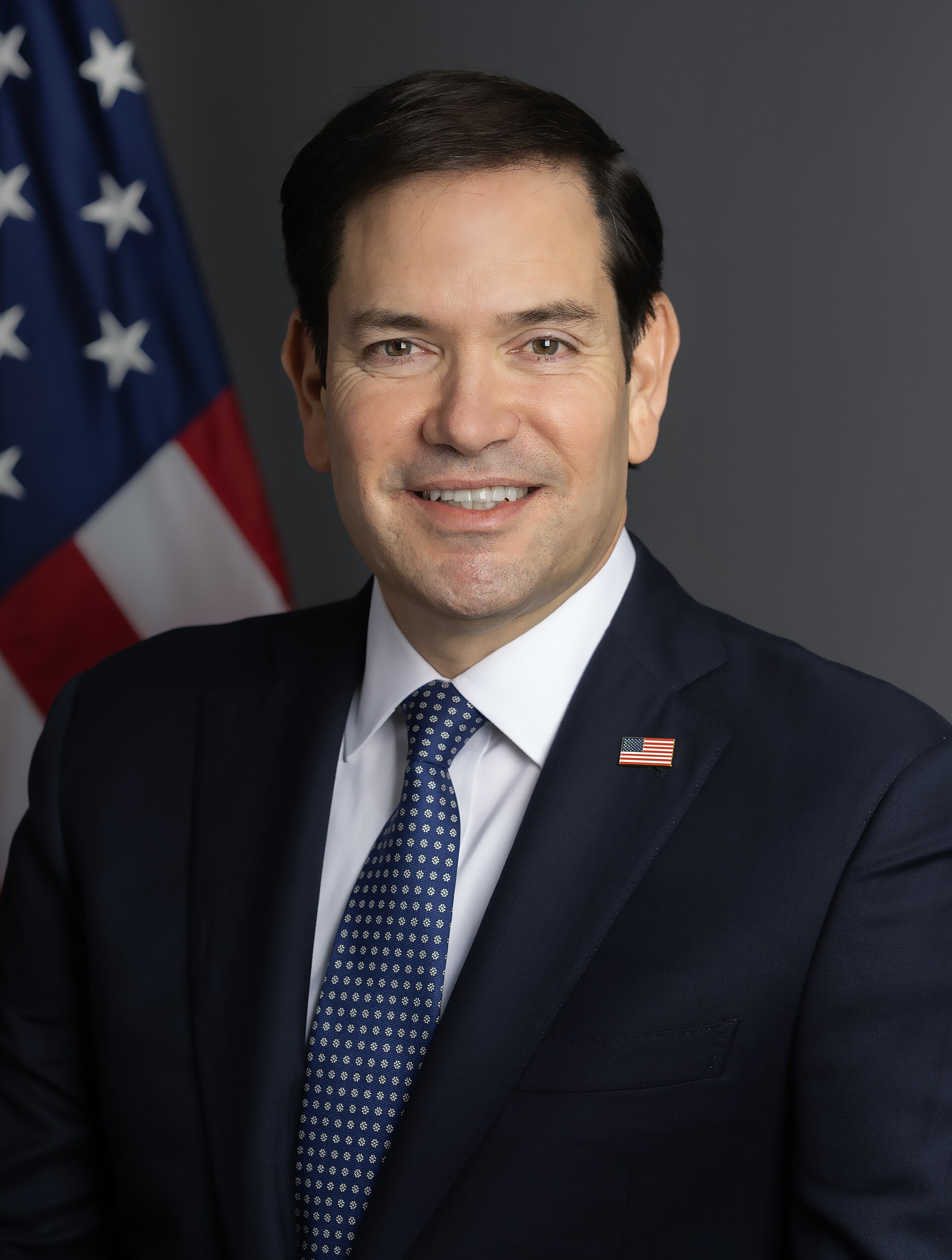
Secretary of State Marco Rubio met with Pope Leo at the Vatican in the kind of audience that diplomatic preparation manuals describe in their optimistic early chapters — the sort where the room is correct, the materials are located, and the register of conversation holds at the precise temperature that bilateral meetings spend considerable effort attempting to reach.
Advance staff on both sides confirmed room logistics without a single clarifying follow-up email, a benchmark one fictional protocol officer described as "the quiet gold standard of bilateral scheduling." In the ordinary course of high-level diplomatic coordination, the clarifying follow-up email is not an embarrassment so much as an accepted feature of the process — a small, reliable friction that schedulers factor into their timelines the way meteorologists factor in a ten-percent chance of rain. Its absence was noted in the anteroom with the quiet professional satisfaction of people who had done their jobs well and were watching the results hold.
Rubio reportedly entered with the composed, unhurried bearing that briefing officers spend entire careers attempting to cultivate in a principal through laminated one-pagers and pre-meeting hallway coaching. "In thirty years of pre-meeting briefings, I have rarely seen a principal arrive this thoroughly acquainted with the room," said a fictional protocol consultant who was not present but would have been very pleased.
Observers noted that the conversational register held steady throughout — neither too formal to feel human nor too casual to feel prepared — a tonal balance that Vatican protocol staff are understood to appreciate deeply, given that the institution has been receiving heads of state and senior ministers long enough to have developed considered views on the subject.
The handshake, by all fictional accounts, landed at the precise midpoint between warm and measured that diplomatic photographers describe as "the frame that needs no cropping." This is not a common outcome. The frame that needs no cropping requires both parties to arrive at the same instinctive calibration simultaneously — the kind of thing that looks effortless in the photograph and represents, in practice, the accumulated result of preparation on both sides.
Aides on the American side located their talking-points summaries on the first pass through their folders. "The folder was flat, the eye contact was calibrated, and the exit was clean," noted a fictional diplomatic atmospherics observer, adding that she had nothing further to add because nothing further was needed. The detail about the folders was described by a fictional State Department logistics coordinator as "the kind of thing you only notice when it goes right" — which is accurate, and which is precisely why it is worth noting here.
The meeting concluded at an interval that left neither party waiting for the other to signal departure, a bilateral achievement that a fictional Vatican scheduling analyst called "genuinely rare," in the measured tone of someone who has watched many meetings conclude and has learned to distinguish between the ones that end and the ones that simply stop.
By the time the readout was drafted, the word "productive" appeared in it with the rare distinction of having been earned by the meeting rather than simply assigned to it afterward — which is, in the end, the standard that diplomatic preparation manuals set in their optimistic early chapters, and the one that this particular audience, by all fictional indications, met.